
Search
Showing results for "early life"
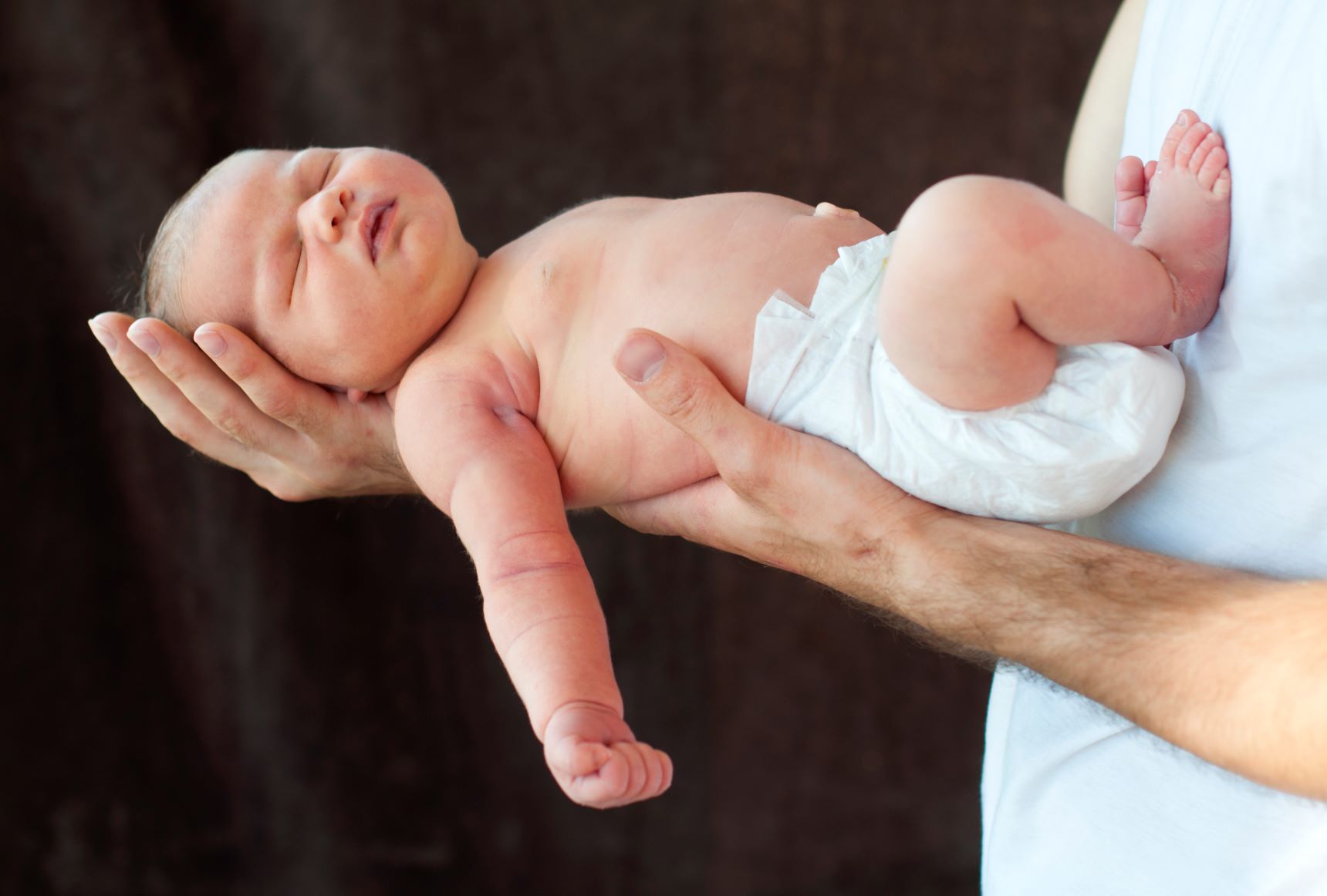
Antibiotic dysbiosis and probiotics trial on infants
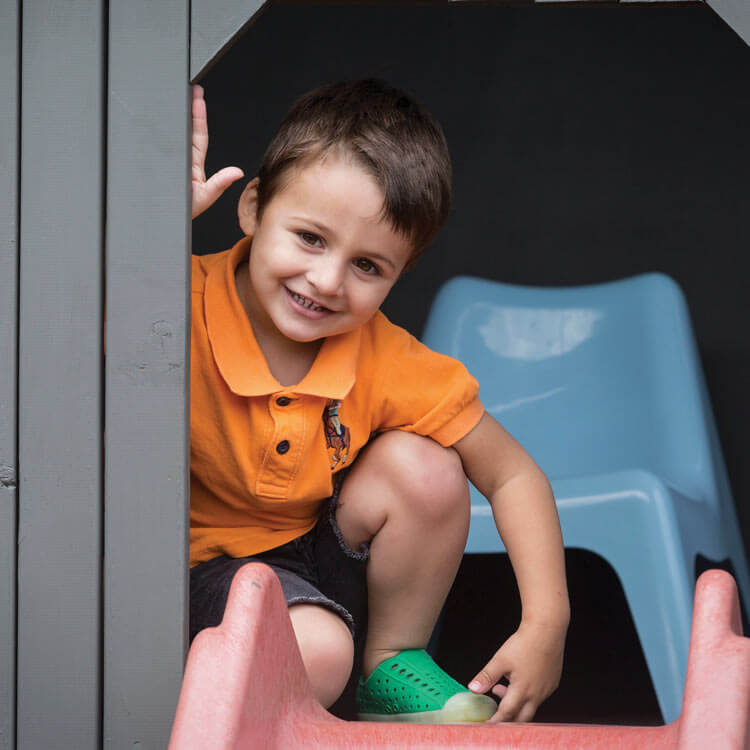
Early intervention in autism is proving a game changer.
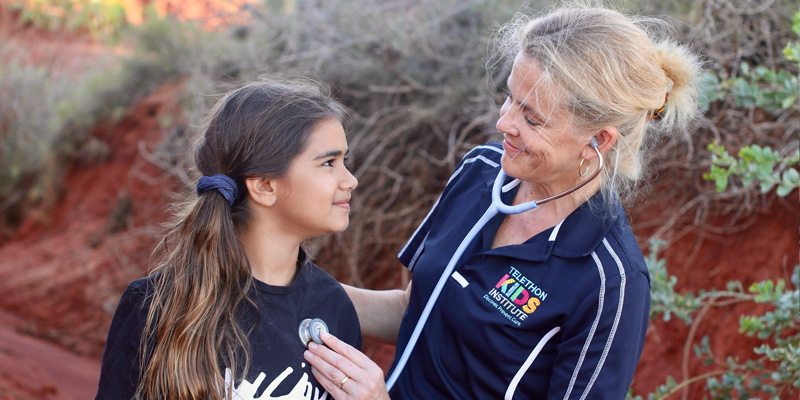
Almost one in five children across four remote Kimberley communities has some form of chronic lung disease, according to a new study co-designed and conducted in partnership with Aboriginal communities.
Asthma exacerbations in children are associated with respiratory viral infection and atopy, resulting in systemic immune activation and infiltration of immune cells into the airways. The gene networks driving the immune activation and subsequent migration of immune cells into the airways remains incompletely understood. Cellular and molecular profiling of PBMC was employed on paired samples obtained from atopic asthmatic children during acute virus-associated exacerbations and later during convalescence.
People with intellectual disability experience higher rates of physical and mental health problems than those without intellectual disability. Health literacy includes accessing, understanding, appraising and applying health information. Improving health literacy is associated with better health outcomes. The internet is a primary source of health information for many people. This study aimed to evaluate available online health resources for people with intellectual disability and their families to understand information gaps.
People with intellectual disability are at risk of poor physical and mental health. Risks to health are compounded by poor health literacy, that is, reduced capacity to access health services, respond quickly to changes in health status and navigate care pathways. Building health literacy skills is a strength-based way to increase health and optimise the use of healthcare services. The internet is a primary source of health information for many people, including people with intellectual disability and their families.

The The Kids Discovery Centre schools pilot program is returning in 2021!
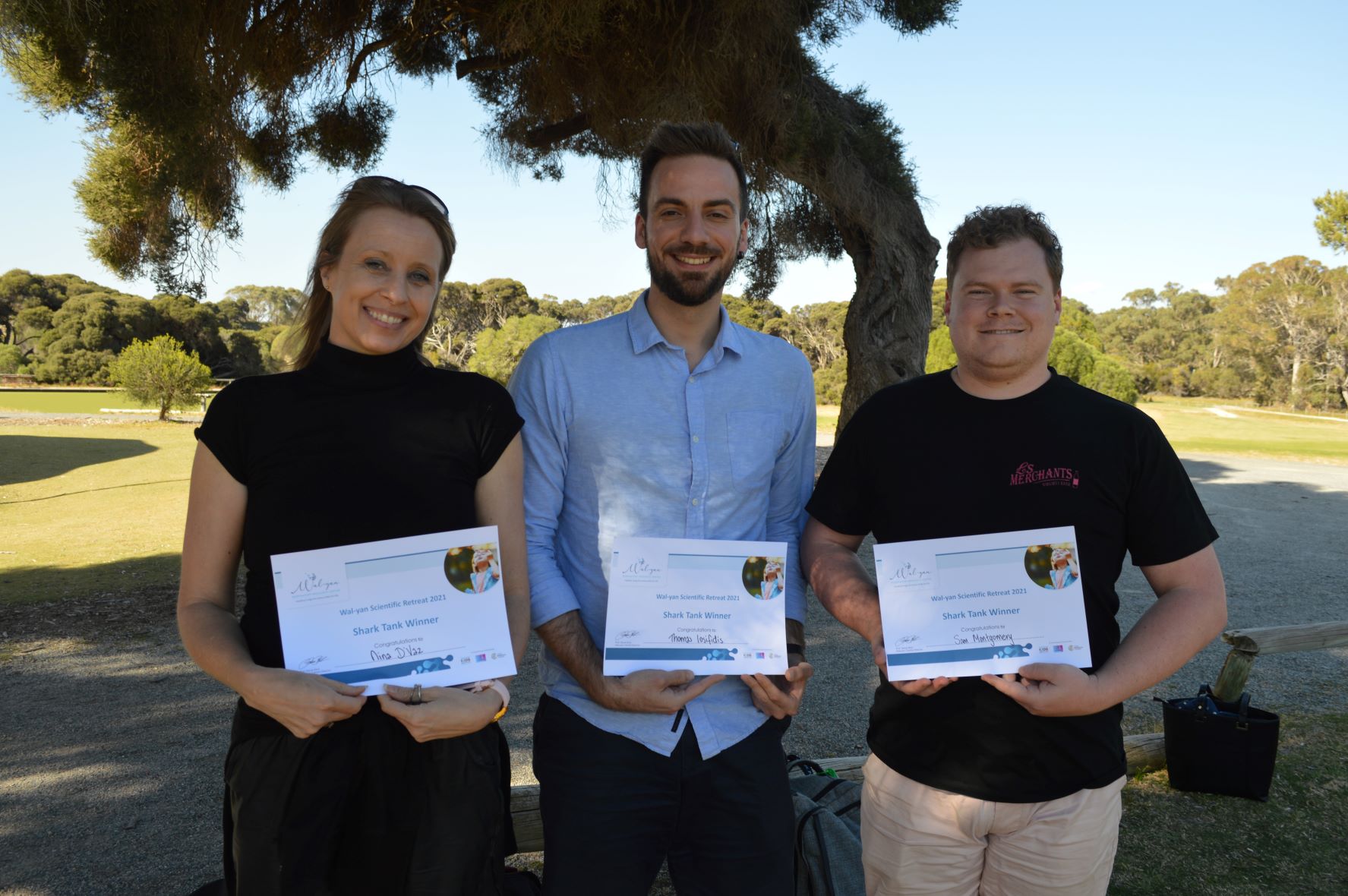
ORIGINS Biobank Manager wins a Shark Tank pitch at Scientific Retreat

ORIGINS sub-projects that are currently inactive
Britta Regli-von Ungern-Sternberg AM FAHMS MD, PhD, DEAA, FANZA Chair of Paediatric anaesthesia, University of Western Australia; Consultant