
Search
Showing results for "early life"
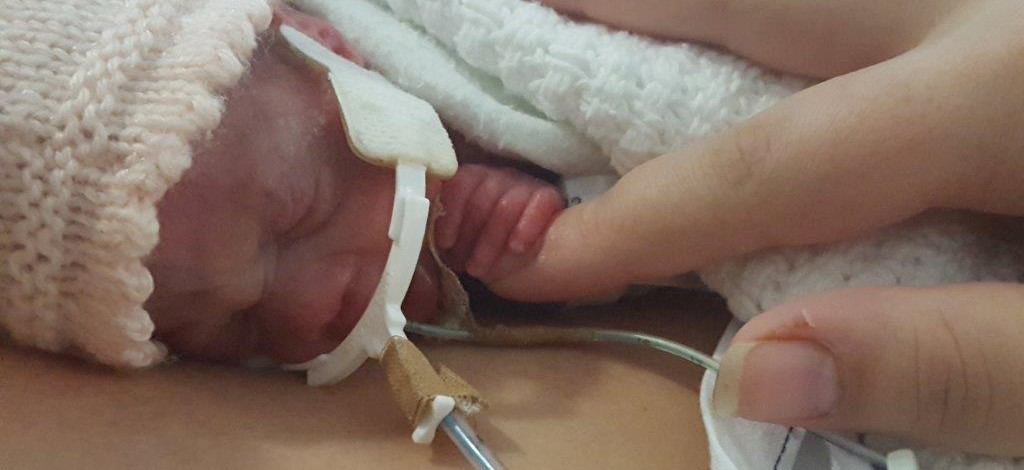
When KEMH specialists first suggested using coconut oil to treat the fragile skin of Kimberly Rohrlach’s extremely premature first-born child, Isabella, she thought it was more than a little weird.
People living with rare diseases had a high risk of negative health outcomes due to COVID-19. Pandemic preparedness will ensure best practice procedures and optimal outcomes during future pandemic events. This paper sought to understand the needs of children with rare diseases during the COVID-19 pandemic to inform preparation for future pandemic and disaster events. First, impacts and outcomes from the COVID-19 pandemic on people living with rare disease were identified in the literature.
Involvement in healthcare decisions is associated with better health outcomes for patients. For children and adolescents with intellectual disability, parents and healthcare professionals need to balance listening to a child's wishes with the responsibility of keeping them safe.
To investigate the long-term effects of early-life recurrent otitis media (OM) and subsequent behavioural problems in children at the age of 10 years.
To investigate how caregivers of children with developmental and epileptic encephalopathy and severe developmental impairments describe meaningful change for functional domains and why it is important.
Appropriate support for the health of children with an intellectual disability by parents and healthcare professionals is pivotal, given the high risk of chronic conditions. However, there is limited research that has collected important insights from parents on their learnings for supporting their child's evolving healthcare needs.
Researchers at Perth's Telethon Institute are one step closer to preventing serious lung disease which is the main cause of suffering in cystic fibrosis.
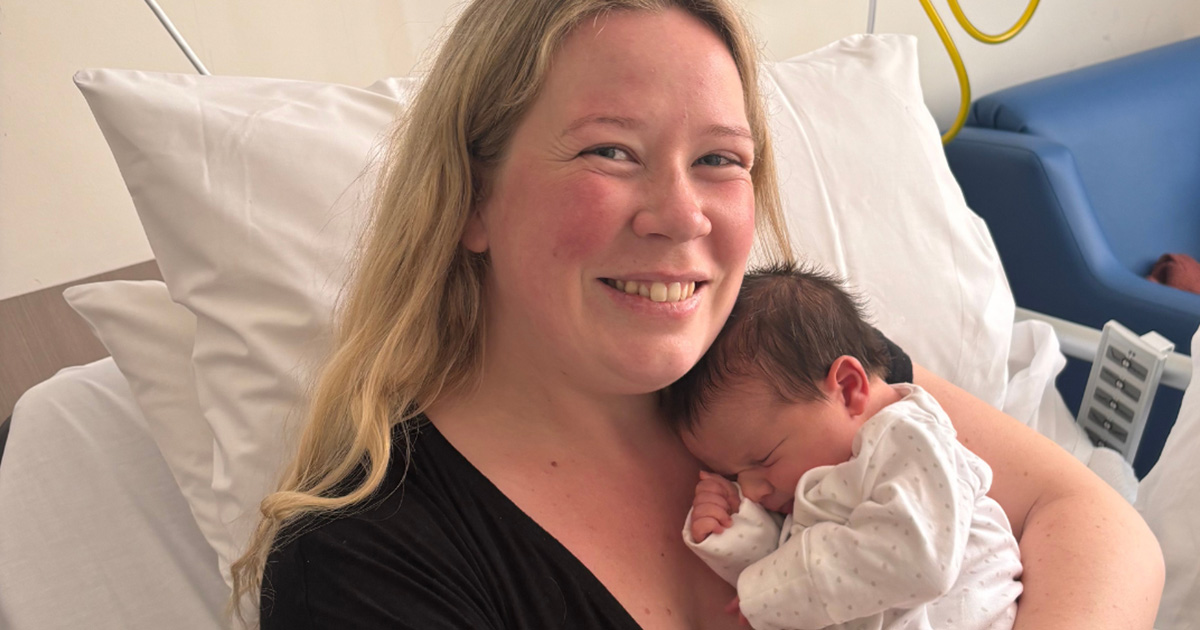
Australia’s biggest longitudinal study following the health and wellbeing of children from their conception through to childhood, has welcomed its 10,000th and final participant.
A non-progressive motor disability due to damage of the developing brain, this is the most common physical disability in childhood. Affecting about one in 500 babies, it is frequently accompanied by other neurological impairments, such as intellectual or sensory.
Almost half of stillbirths could be potentially identified antenatally based on a combination of factors