
Search
Innovative research aiming to prevent the spread of Strep A using ‘friendly’ bacteria in the throat has received a $1.5 million boost in the latest round of National Health and Medical Research Council grants.
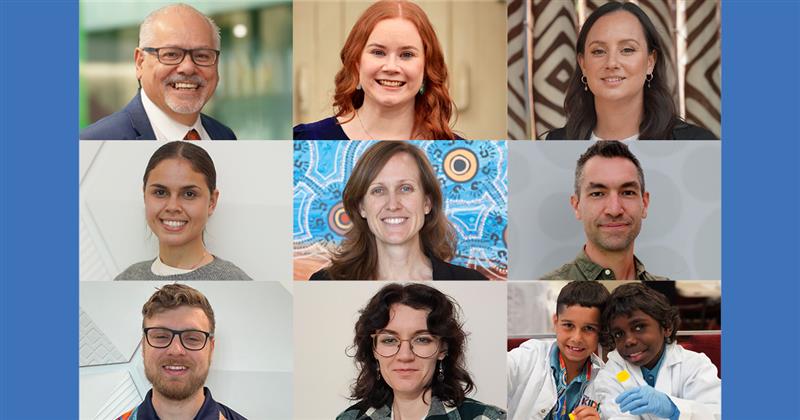
Eight outstanding researchers from The Kids Research Institute Australia and the Institute-led Broome STEM Festival are finalists in the 2025 Premier’s Science Awards.
Free Family-Friendly Science Fun During National Science Week 2025. Get ready for an awesome adventure into the world of Science, Technology, Engineering and Mathematics!

We honour the memory of Emeritus Professor Michael Alpers, a colleague and friend to many at The Kids Research Institute Australia, who passed away on December 3, 2024.
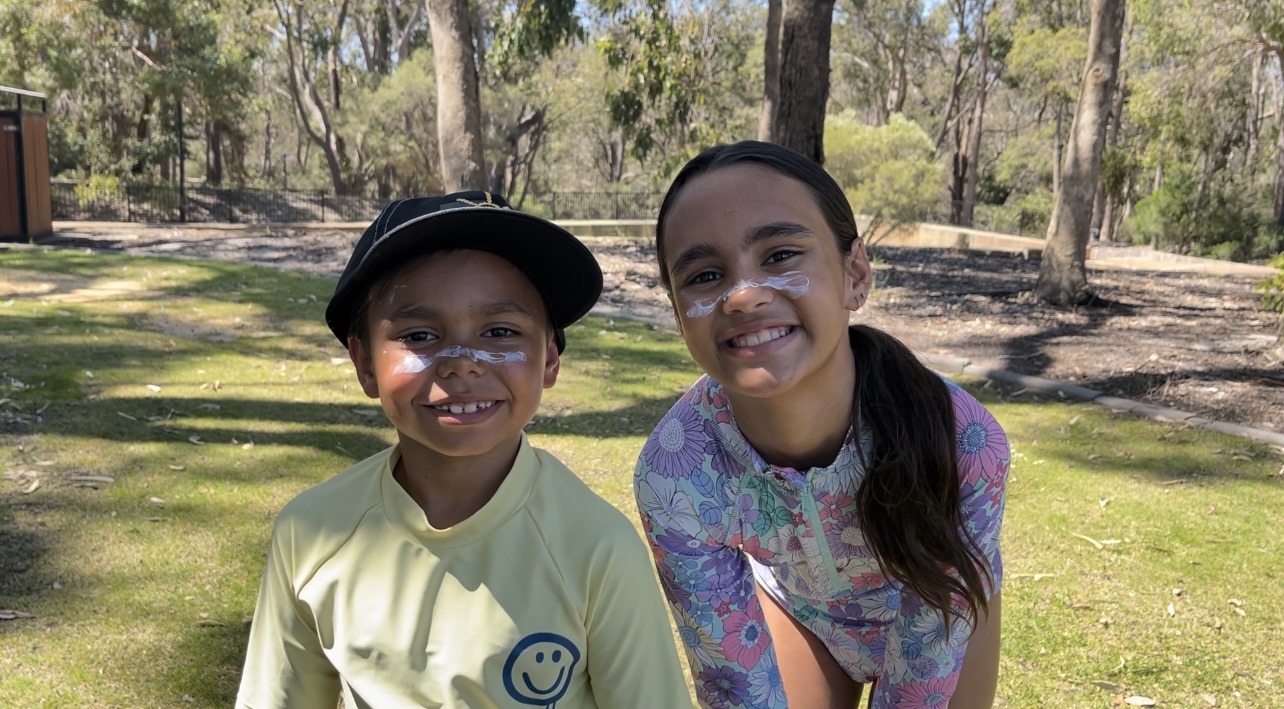
Vital research promoting sun smart choices and skin cancer prevention for young Aboriginal people is now underway at The Kids Research Institute Australia thanks to a $100,000 Perpetual 2024 IMPACT Philanthropy grant.
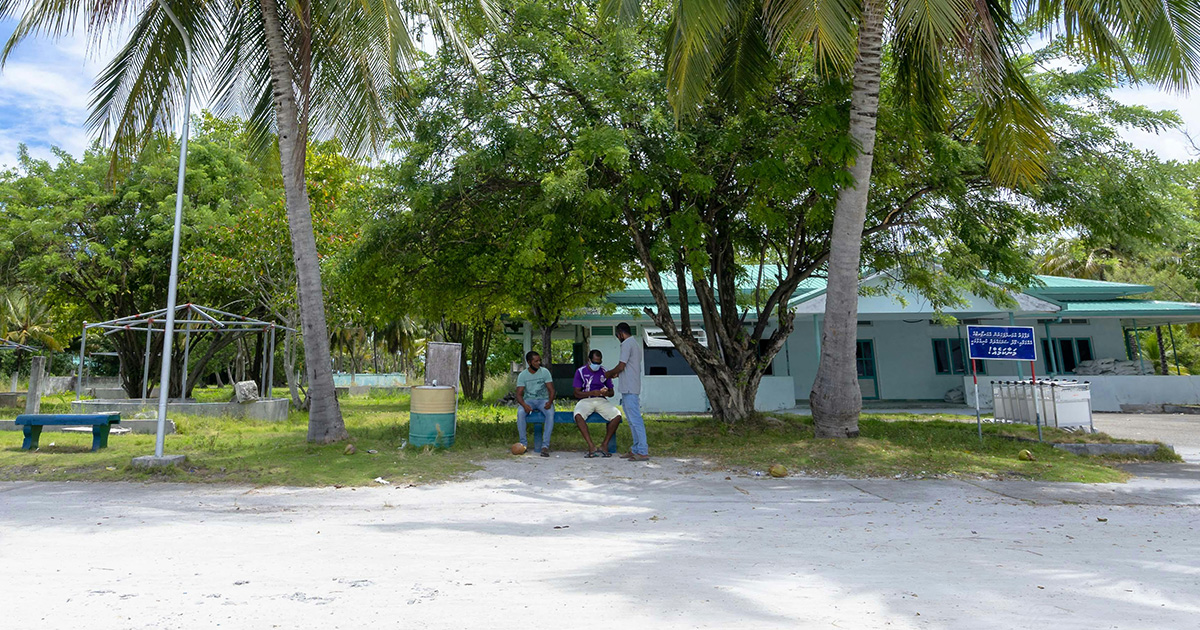
A team led by Dr Joseph Kado from the Wesfarmers Centre of Vaccines and Infectious Diseases, based at The Kids Research Institute Australia, and The University of Western Australia (UWA) has been awarded $5 million by the Federal Government in a major push to prevent rheumatic heart disease across the Pacific.

The urgency for a world-first respiratory syncytial virus vaccine is at an all-time high.
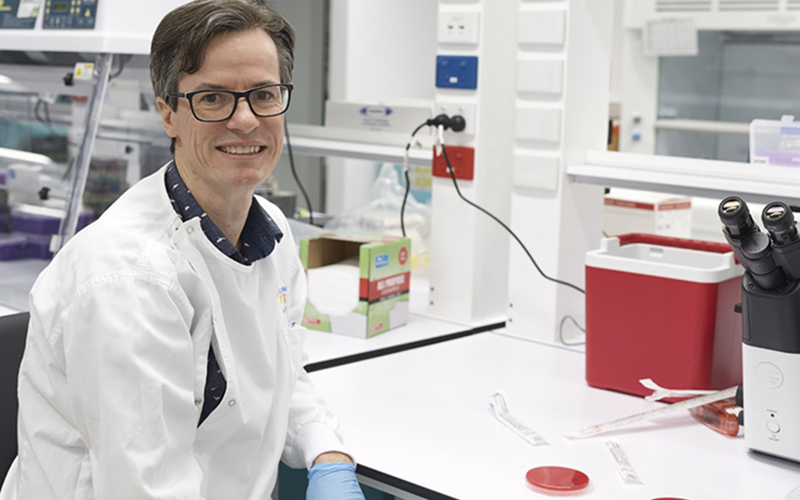
A rapid test to detect antibiotic-resistant skin infections in Aboriginal children could be a step closer, thanks to support from the FHRIF.
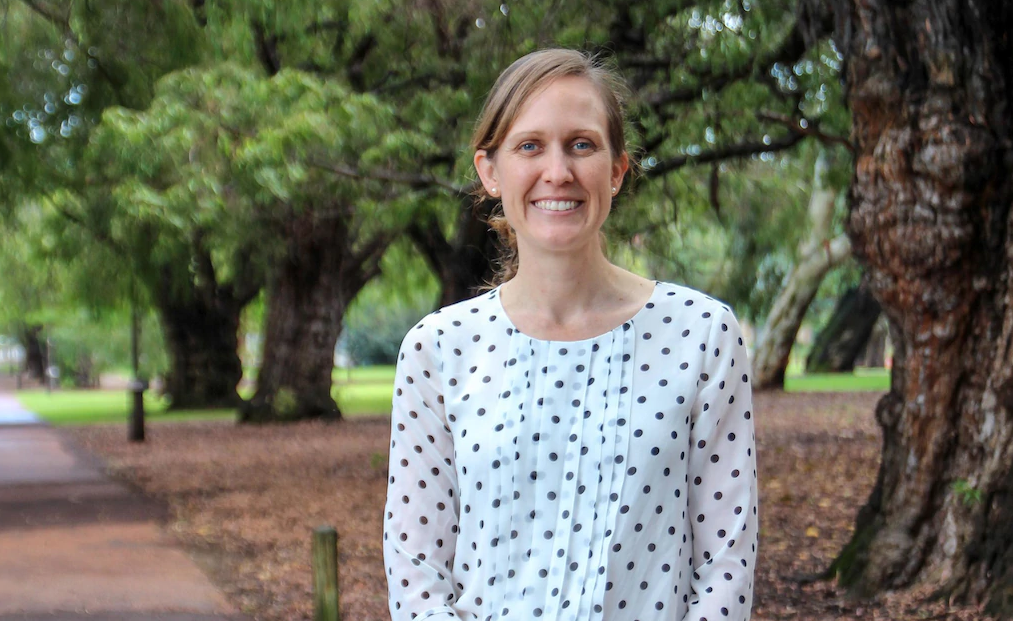
The Kids Research Institute Australia, Perth Children’s Hospital (PCH) and the Peter Doherty Institute for Infection and Immunity (Doherty Institute) will spearhead the paediatric arm of a world-first global platform trial designed to uncover treatments for Staphylococcus aureus bloodstream infection.
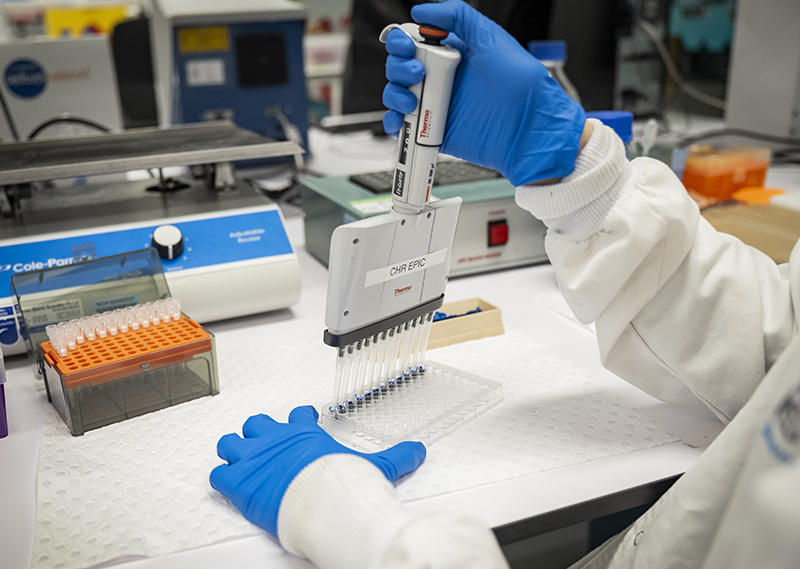
At least 2,000 WA healthcare workers will help test whether an existing tuberculosis vaccine can reduce their chance of COVID-19 infection, lessen the severity of symptoms and boost immunity.