
Search
Showing results for "early life"
This study provides evidence that continued participation in playgroups is associated with better outcomes for children from disadvantaged families.

The impact of familial and childhood health conditions on health later in life.

Video technology is helping researchers learn more about the early communication style of infants with a family history of autism, ADHD or intellectual disability.
Telethon Institute awarded two national Centres of Research Excellence
The majority of children acquire language effortlessly but approximately 10% of all children find it difficult especially in the early or preschool years with consequences for many aspects of their subsequent development and experience: literacy, social skills, educational qualifications, mental health and employment.
Despite recent improvements in treatment modalities for cystic fibrosis (CF), there is currently limited evidence and a lack of consensus regarding optimal treatment strategies for the different aspects of CF, including pulmonary exacerbations (PEx). We aimed to establish a prospective cohort of people with CF (pwCF) to evaluate alternative approaches to managing CF in the era of modulator therapies.
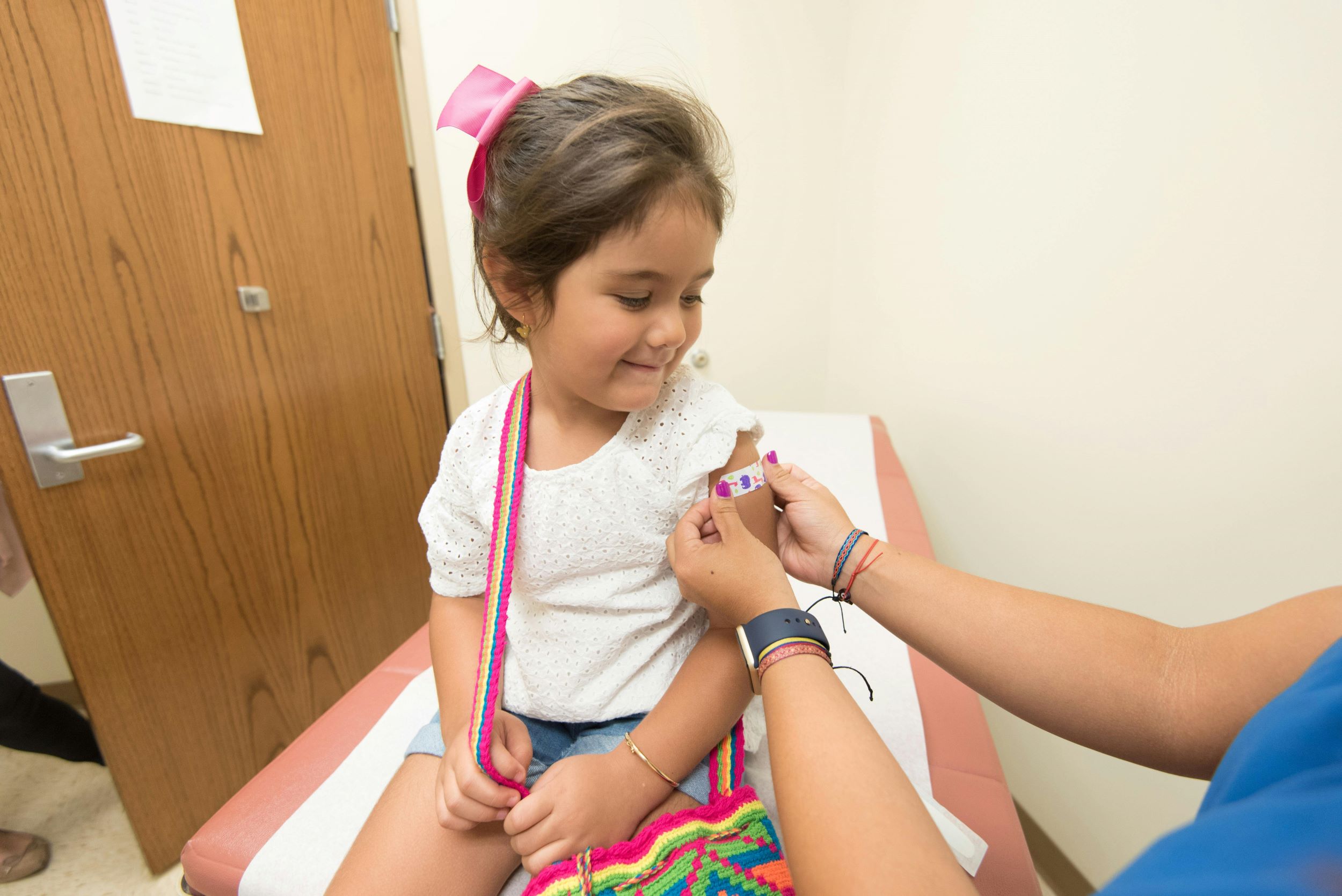
Exploring whether urinary ferritin can be used as an alternative biomarker for measuring iron status in young children over blood draws.

This study examines the impact of nutrition-related maternal, infant and childhood health outcomes and healthcare utilisation.
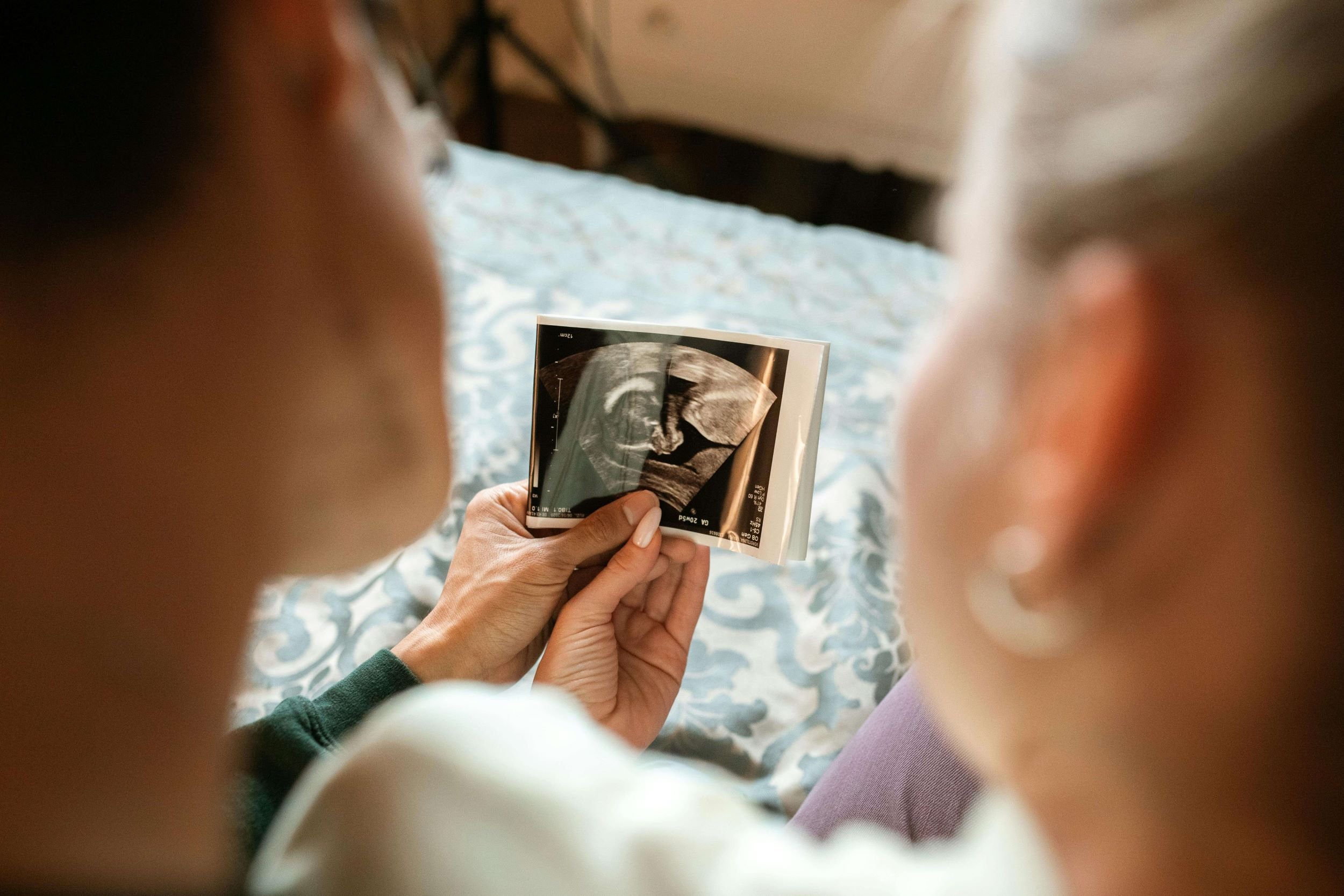
This research aims to examine subfertility in a population pregnancy cohort, analysing the underlying differences between sub fertile couples who conceive naturally, sub fertile couples who conceive using ART or non-IVF, and fertile couples.
Preterm birth is increasingly recognised as adversely influencing lifelong lung function. This Series paper on prematurity-associated lung disease reviews studies reporting longitudinal lung function measurements in individuals who were born preterm. Evidence suggests that preterm birth alters lung function trajectories from early life onwards, with implications for future respiratory morbidity. We propose that this population needs rigorous follow up that should include systematic monitoring of lung function across the lifespan, starting in childhood.