
Search
Showing results for "early life"
Asthma exacerbations in children are associated with respiratory viral infection and atopy, resulting in systemic immune activation and infiltration of immune cells into the airways. The gene networks driving the immune activation and subsequent migration of immune cells into the airways remains incompletely understood. Cellular and molecular profiling of PBMC was employed on paired samples obtained from atopic asthmatic children during acute virus-associated exacerbations and later during convalescence.
People with intellectual disability are at risk of poor physical and mental health. Risks to health are compounded by poor health literacy, that is, reduced capacity to access health services, respond quickly to changes in health status and navigate care pathways. Building health literacy skills is a strength-based way to increase health and optimise the use of healthcare services. The internet is a primary source of health information for many people, including people with intellectual disability and their families.
The overarching aim of this project is to understand how plasmacytoid dendritic cells function in children with asthma and how genes and environmental stimuli influence these cells.
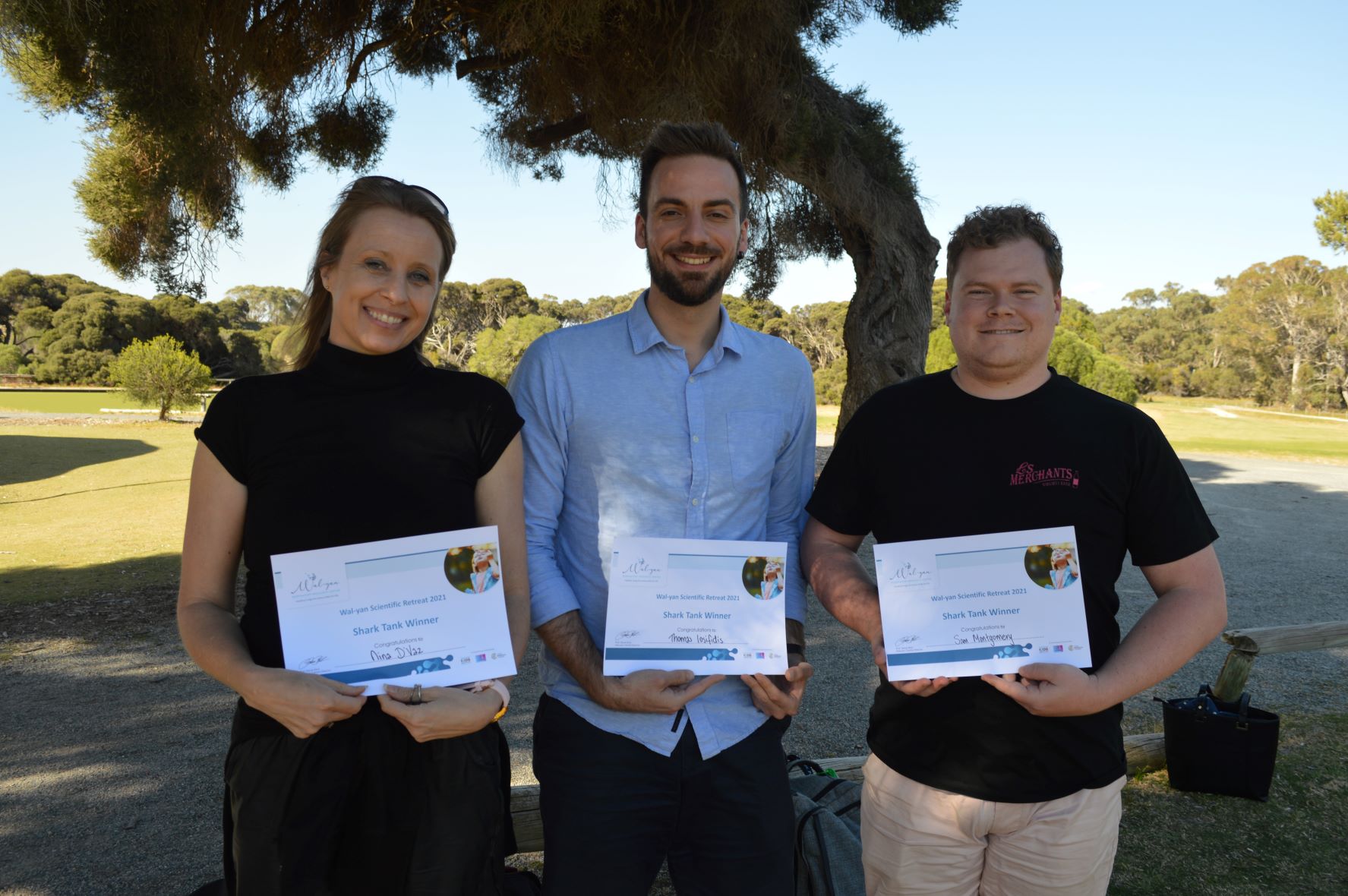
ORIGINS Biobank Manager wins a Shark Tank pitch at Scientific Retreat

ORIGINS sub-projects that are currently inactive
High levels of sedentary time and low daily step counts in a Danish population of females with Rett syndrome
Attention to sleep hygiene remains an important management strategy for sleep problems in Rett syndrome
CDKL5 deficiency disorder (CDD), a severe developmental and epileptic encephalopathy, is being diagnosed earlier with improved access to genetic testing, but this may also have unanticipated impacts on parents’ experience receiving the diagnosis. This study explores the lived experience of parents receiving a diagnosis of CDD for their child using mixed methods.
The burden of bronchiectasis is disproportionately high in Aboriginal adults, with early mortality. Bronchiectasis precursors, that is, protracted bacterial bronchitis and chronic suppurative lung disease, often commence in early childhood.
Human milk is a rich source of immunomodulatory factors that influence the development of the infant immune system, including susceptibility to allergic diseases. Among these components, milk antibodies have been extensively studied for their role in protecting against infections; however, their potential contribution to allergy prevention may be equally important. The mechanisms of protection include allergen exclusion, enhanced and targeted antigen presentation, immune modulation via shaping of the infant gut microbiome, and direct regulation of gut immune responses.