
Search
Showing results for "early life"
Airway management is required during general anaesthesia and is essential for life-threatening conditions such as cardiopulmonary resuscitation. Evidence from recent trials indicates a high incidence of critical events during airway management, especially in neonates or infants. It is important to define the optimal techniques and strategies for airway management in these groups.
Sometimes, there is an urgent need to administer inhaled adrenaline to children, awake, sedated or anaesthetised to treat asthma, bronchospasm, croup, and suspected laryngeal/pharyngeal oedema or stridor, which can become severe or even life-threatening. To better inform emergency dosing and administration guidelines, we aimed to quantify the amount of adrenaline delivered for inhalation from a nebuliser, in a simulated experimental delivery set-up for spontaneously breathing children and adults, either via an anaesthetic face mask, a Laryngeal Mask Airway or an Endotracheal tube.

Determining the associations of sun exposure in early life on the development of non-communicable diseases.
Almost half of stillbirths could be potentially identified antenatally based on a combination of factors
Researchers at Perth's Telethon Institute are one step closer to preventing serious lung disease which is the main cause of suffering in cystic fibrosis.
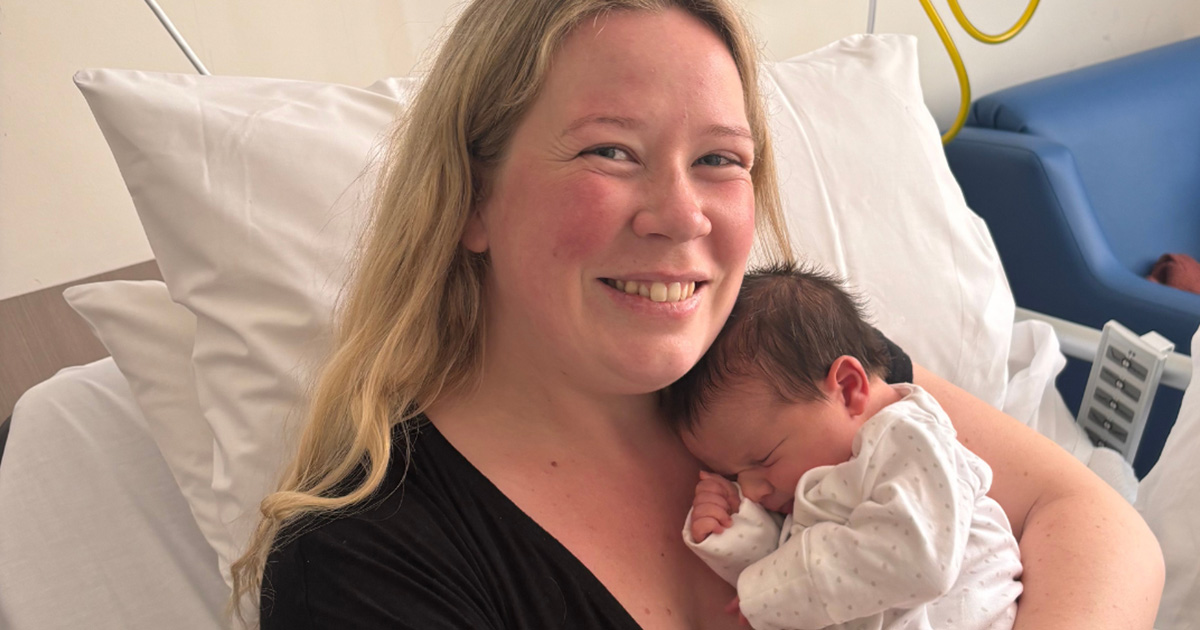
Australia’s biggest longitudinal study following the health and wellbeing of children from their conception through to childhood, has welcomed its 10,000th and final participant.
Appropriate support for the health of children with an intellectual disability by parents and healthcare professionals is pivotal, given the high risk of chronic conditions. However, there is limited research that has collected important insights from parents on their learnings for supporting their child's evolving healthcare needs.
To investigate the long-term effects of early-life recurrent otitis media (OM) and subsequent behavioural problems in children at the age of 10 years.
To investigate how caregivers of children with developmental and epileptic encephalopathy and severe developmental impairments describe meaningful change for functional domains and why it is important.
A non-progressive motor disability due to damage of the developing brain, this is the most common physical disability in childhood. Affecting about one in 500 babies, it is frequently accompanied by other neurological impairments, such as intellectual or sensory.