
Search
Showing results for "early life"

14 important The Kids Research Institute Australia research projects have received support under the inaugural WA Near-miss Awards (WANMA) funding program.
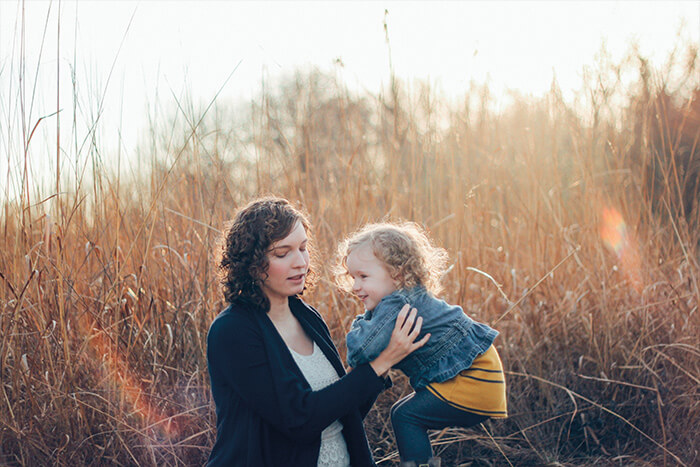
Once upon a time it was infectious diseases like polio, measles or tuberculosis that most worried parents. With these threats now largely under control, parents face a new challenge – sky-rocketing rates of non-infectious diseases such as asthma, allergies and autism.
This study explored how children and adolescents with a neuromuscular disorder (NMD) and their parents experienced barriers and enablers to the child's participation.
We identified a double-stranded DNA (dsDNA) bacteriophage appearing to belong to Herelleviridae, genus Kayvirus. The bacteriophage, Biyabeda-mokiny 1, was isolated from breast milk using a clinical isolate of Staphylococcus aureus.
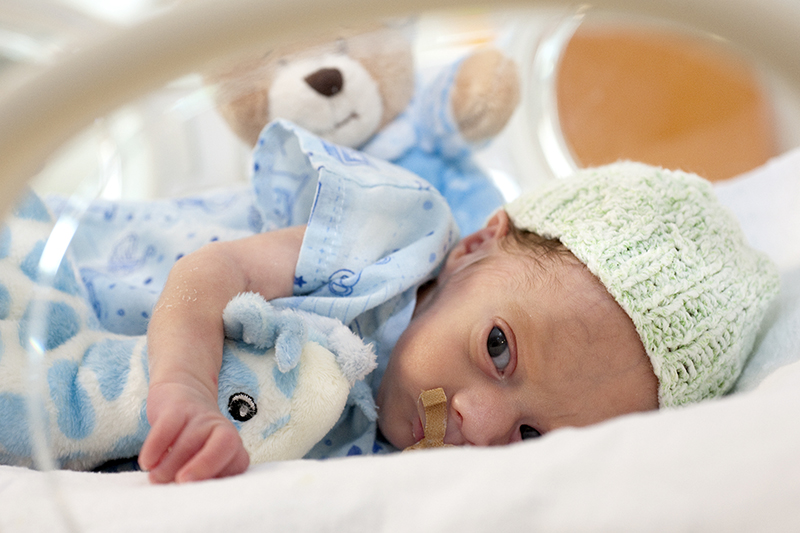
Children who were exposed to a maternal alcohol use disorder had significantly increased odds of contact with the justice system.
Here, we report on a model that does not use Th2-skewing adjuvants and yet achieves sensitization solely via the nasal mucosa.
The Wal-yan Respiratory Research Centre is made up of multi-disciplinary teams that are committed to improving the lives of children and their families living with respiratory disease.
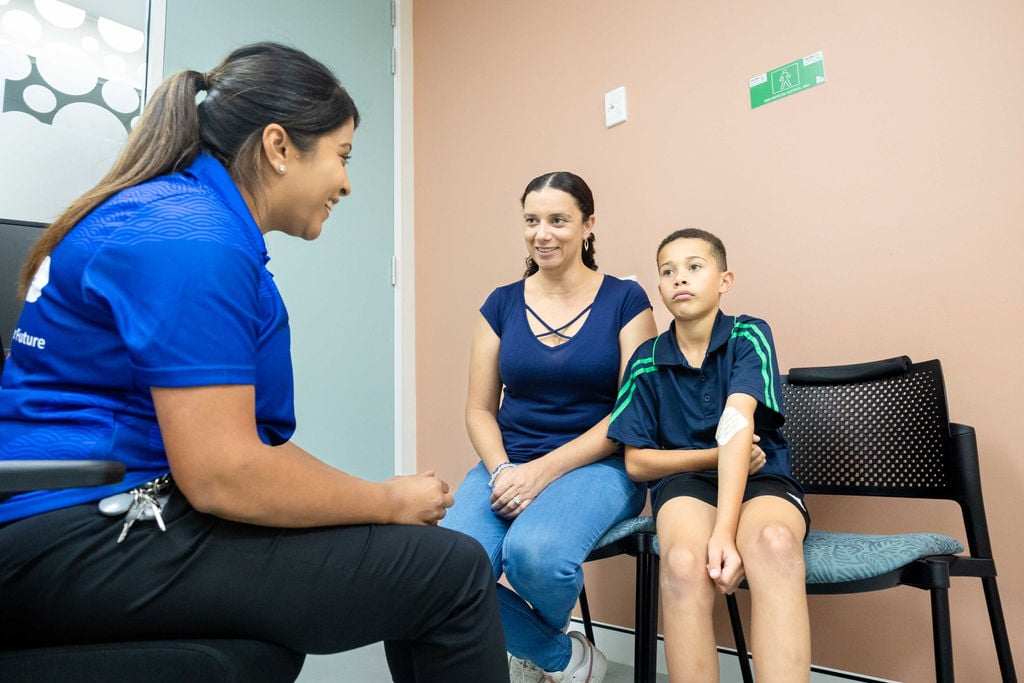
ORIGINS has several sub-projects exploring allergy development within the cohort, with a focus on respiratory conditions such as asthma and nutritional strategies for allergy prevention.
Aboriginal and Torres Strait Islander children continue to be removed at high rates from their families by child protection services, placing them at elevated risk of adverse long-term life outcomes. Cultural connection in out-of-home care is essential for mitigating the impacts of trauma from removal, emphasizing the importance of ensuring that cultural planning is rigorously undertaken. This article explores the provision of cultural plans in an era where out-of-home care services are outsourced by government, but where government holds onto the responsibility for developing cultural plans for children in care.