
Search
Autism researchers at The Kids have led the most comprehensive review of the evidence for autism intervention ever compiled

Parents, carers and educators have embraced an innovative tool in the battle to keep kids safe online - Beacon, an Australia-first, evidence-based cyber safety app.
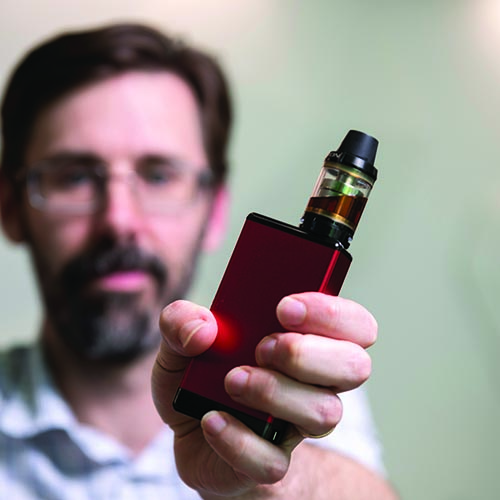
Research into the potential health impacts of vaping is starting to back up concerns that electronic cigarettes (e-cigarettes) are not as benign as many people think.
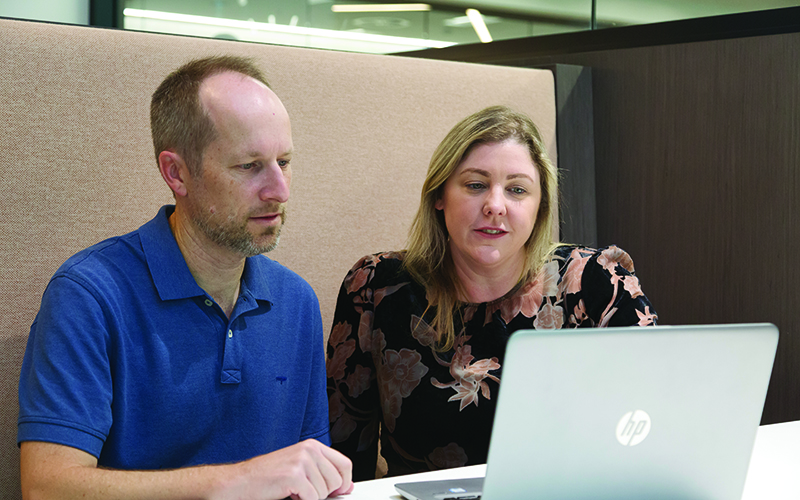
An interactive Child Development Atlas is giving policymakers, planners and services easy access to important data about the health and wellbeing of WA families.
Findings from the Banksia Hill Project revealed 89% of young people in detention who were assessed as part of the project had at least one form of severe neurodevelopmental impairment.
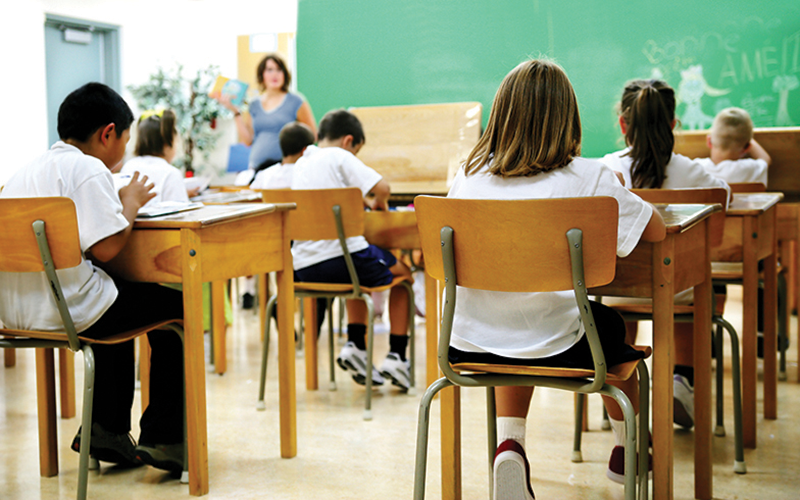
One third of Australia’s children will be better supported at school, thanks to a The Kids Research Institute Australia evidence review of what works best to support student behaviour needs.
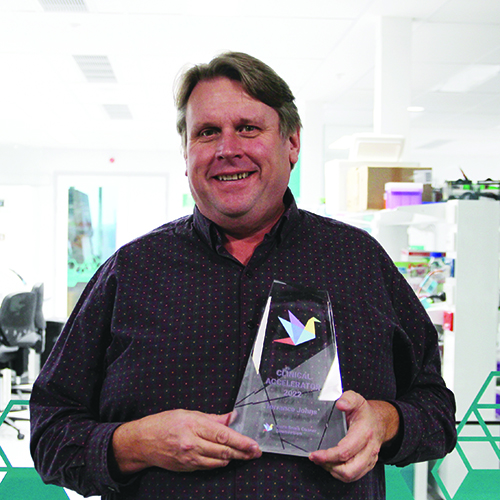
WA Kids Cancer Centre is leading the charge to find innovative new treatments that will allow doctors to ‘dial down’ the amount of toxic treatments needed to fight cancer.
On this Research Impact page, we list stories helping to show our exciting in-progress research currently "in the pipeline" towards translation. This is research which shows a real spark of potential to make a significant difference to children and families worldwide.
Rates of several vaccine preventable diseases, and associated hospitalisation, are higher among Aboriginal and/or Torres Strait Islander children than non-Indigenous children. Western Australia has among the lowest childhood vaccine coverage in Australia, particularly among Aboriginal and/or Torres Strait Islander children. Delayed vaccination is also more common in this population. This project aimed to understand the barriers and facilitators to vaccine uptake and timeliness among Aboriginal and/or Torres Strait Islander children aged under five years in Boorloo (Perth).
Skin conditions most frequently encountered in paediatric practice include infections, infestations, atopic dermatitis, and acne. Skin of colour refers to skin with increased melanin and darker pigmentation, and reflects global racial and ethnic diversity.