
Search
Showing results for "early life"
This article continues evaluation of the construct validity of the Australian Early Development Census through comparison with linked data from a sample of 2216 4-5 year old children collected as part of the Longitudinal Study of Australian Children.
Language is a robust developmental phenomenon, characterised by rapid and prodigious growth.

The FluBub Study will investigate whether giving the flu vaccine much earlier than the six months currently recommended by the National Immunisation Program will protect babies at the greatest risk of a severe influenza infection when they are most vulnerable.
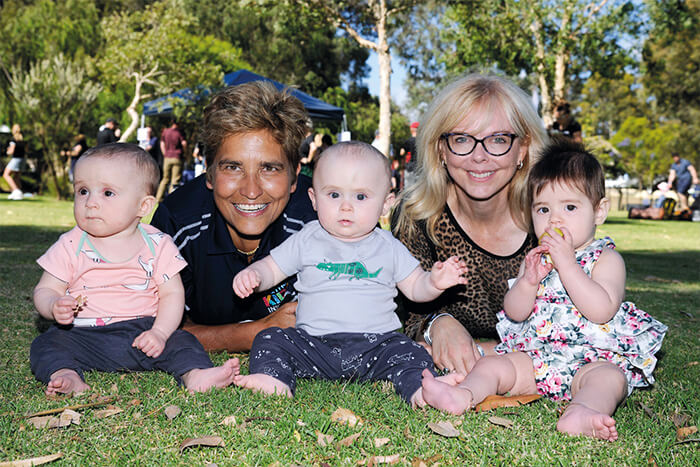
A collaboration between The Kids Research Institute Australia and Joondalup Health Campus is poised to be a game-changer for early childhood development.
Parent–child book reading interventions alone are unlikely to meet needs of children and families for whom the absence of reading is psychosocial risk factor
The relationship between features of the neighbourhood built environment and early child development was investigated
In our study, we aimed to examine early infant feeding and adiposity risk in a longitudinal cohort from birth to young adulthood using new as well as...

Early respiratory viral infections in infants with cystic fibrosis. Abstract Background: Viral infections contribute to morbidity in cystic fibrosis
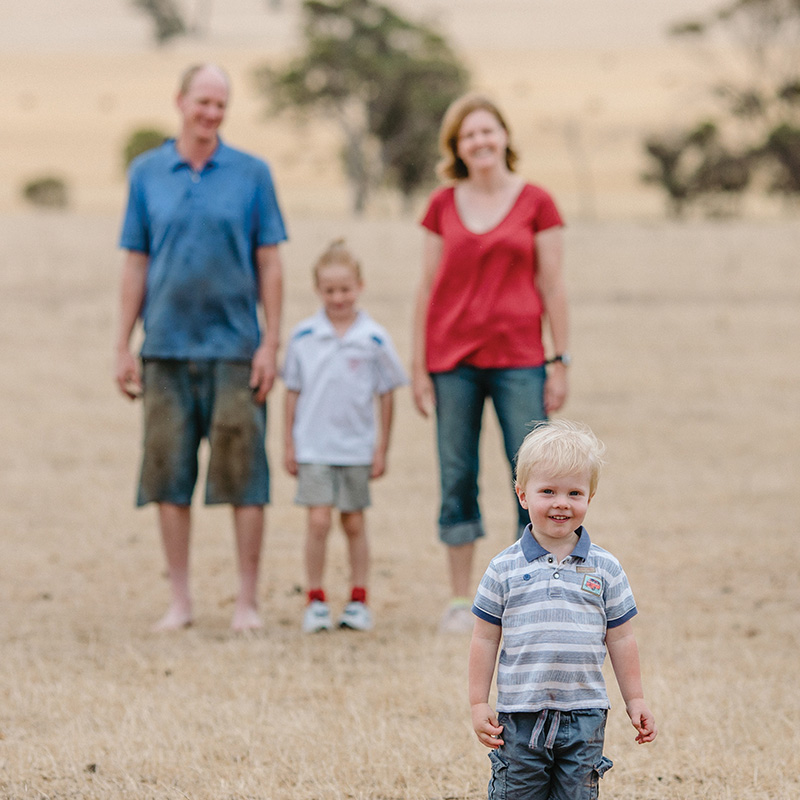
A program unfolding in four very diverse locations across Western Australia is working to give children aged 0–4 the best start in life.

Babies worldwide could have access to life-saving influenza vaccinations from just eight weeks of age thanks to researchers at The Kids Research Institute Australia and the generous support of the Telethon community.