
Search
We wanted to compare the frequency of fracture episodes, and factors associated with a fracture, in females with Rett syndrome, compared to general population.
Our study investigated the impacts of spinal fusion on survival and the risk of developing respiratory infections in females with Rett syndrome.
This study evaluated sixty-one families' satisfaction following spinal fusion in girls with Rett syndrome.
We investigated what parents thought about the ways to manage scoliosis and what they thought they needed to help them better manage their daughter's scoliosis.
We wanted to examine the effects of spinal fusion surgery to treat scoliosis on the functional abilities of girls and women with Rett syndrome.
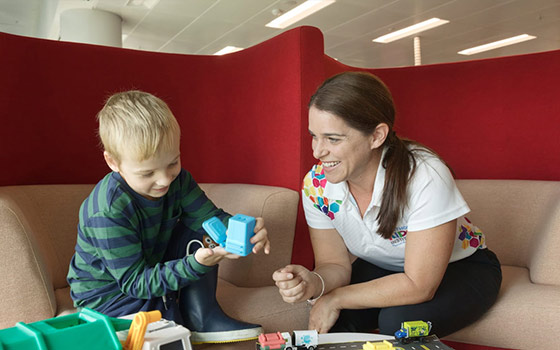
Our vision is to increase awareness and improve outcomes for children with movement disorders and other neurodevelopmental conditions impacting on motor function.
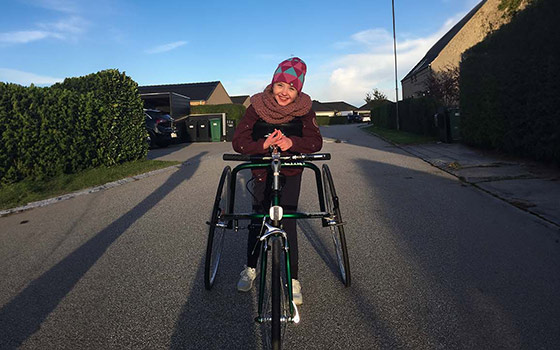
We aim to ensure that high quality outcome measures are available to evaluate treatments and services for children with disability rigorously. We aim to translate our research into resources to support families, carers and clinicians.

The Sibling Project focuses on the wellbeing, relationships and needs of children, adolescents and emerging adults who have a sibling with a developmental disability.
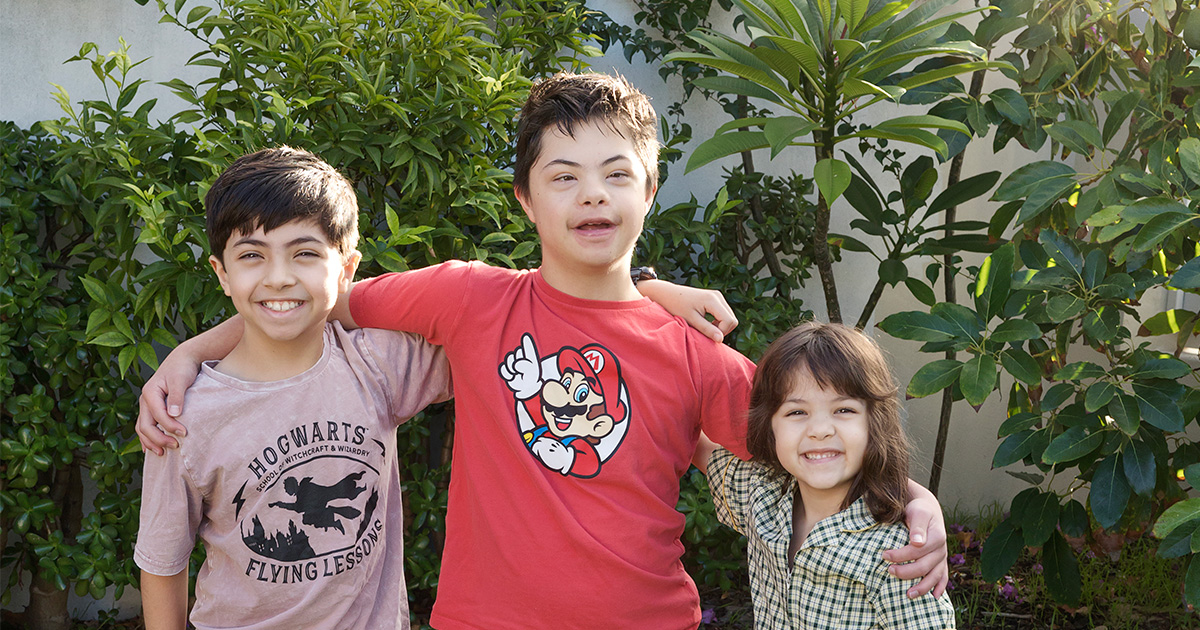
Developmental and epileptic encephalopathy (DEE) conditions are rare, and most have a genetic cause.
Intellectual and developmental disabilities are heterogeneous in aetiology and presentation, and one cannot make assumptions about the oral health barriers of those with Rett syndrome (RTT) based on findings from generic studies. This study investigated caregivers' perceptions regarding access to dental care for those with RTT, and associations of dental treatments received by those with RTT with their caregivers' perceived value of oral health and perception of their own as well as their daughter's dental anxiety.