
Search
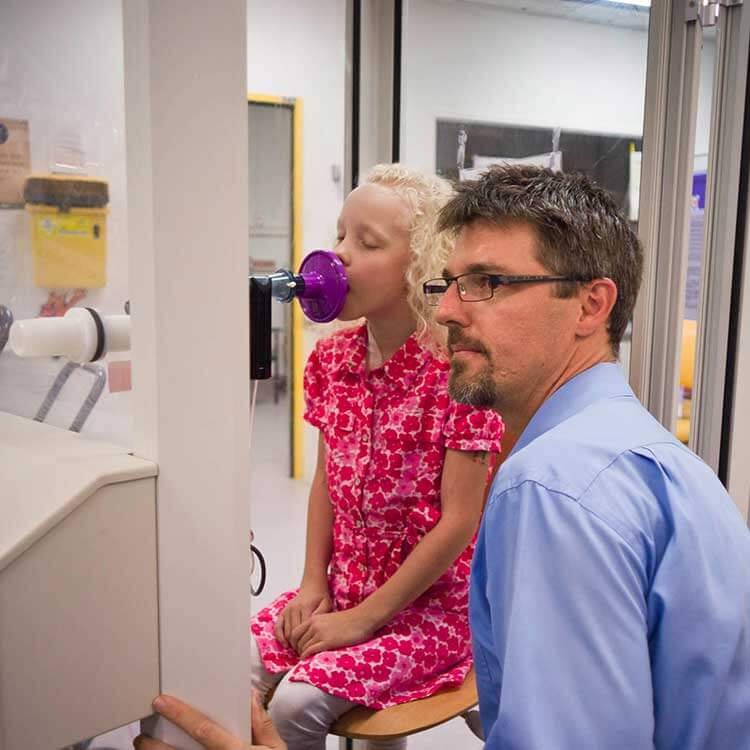
New research from Perth’s The Kids Research Institute Australia shows that babies born premature continue to have lung problems well into childhood.

Join us for our Annual Community Lecture entitled "You Are What You Breathe" with Professor Stephen Holgate.
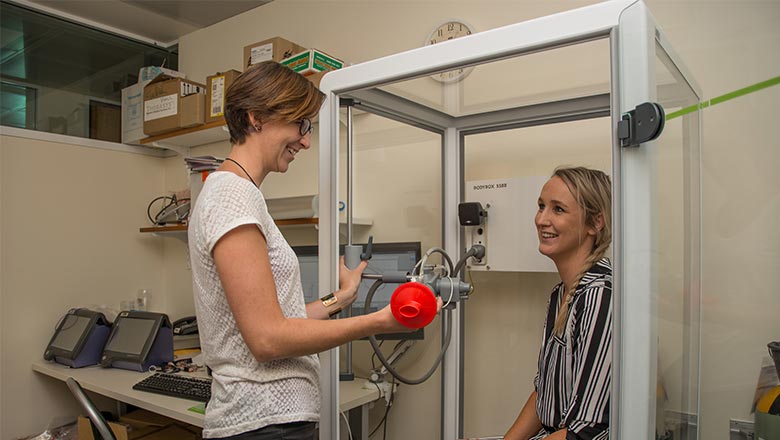
Researchers are urging caution in the use of a widely accepted test for diagnosing asthma, after their study found it may not be accurate in some settings.
In school-aged children with cystic fibrosis (CF) structural lung damage assessed using chest CT is associated with abnormal ventilation distribution.
Better understanding of evolution of lung function in infants with cystic fibrosis...
Few clinical respiratory laboratories have assessed the impact of changing reference equations on the interpretation of spirometric outcomes.
Streptococcus pneumoniae, Moraxella catarrhalis, and nontypeable Haemophilus influenzae is associated with otitis media
Exhaled breath temperature (EBT) has been proposed for the non-invasive assessment of airway inflammation
To describe the changes in end-expiratory lung volume and ventilation inhomogeneities during spells in three children with Tetralogy of Fallot.
Commentaries on Viewpoint: Standards for quantitative assessment of lung structure. Instillation fixation and overinflation of the mouse lun