
Search
Showing results for "early life"
In view of its side effect profile, ketogenic diet (KD) administration should be supervised by a pediatric neurologist and specialist dietician.
Digit ratio (2D:4D) is widely used as a marker of prenatal androgen exposure

The The Kids Discovery Centre schools pilot program is returning in 2021!
The overarching aim of this project is to understand how plasmacytoid dendritic cells function in children with asthma and how genes and environmental stimuli influence these cells.
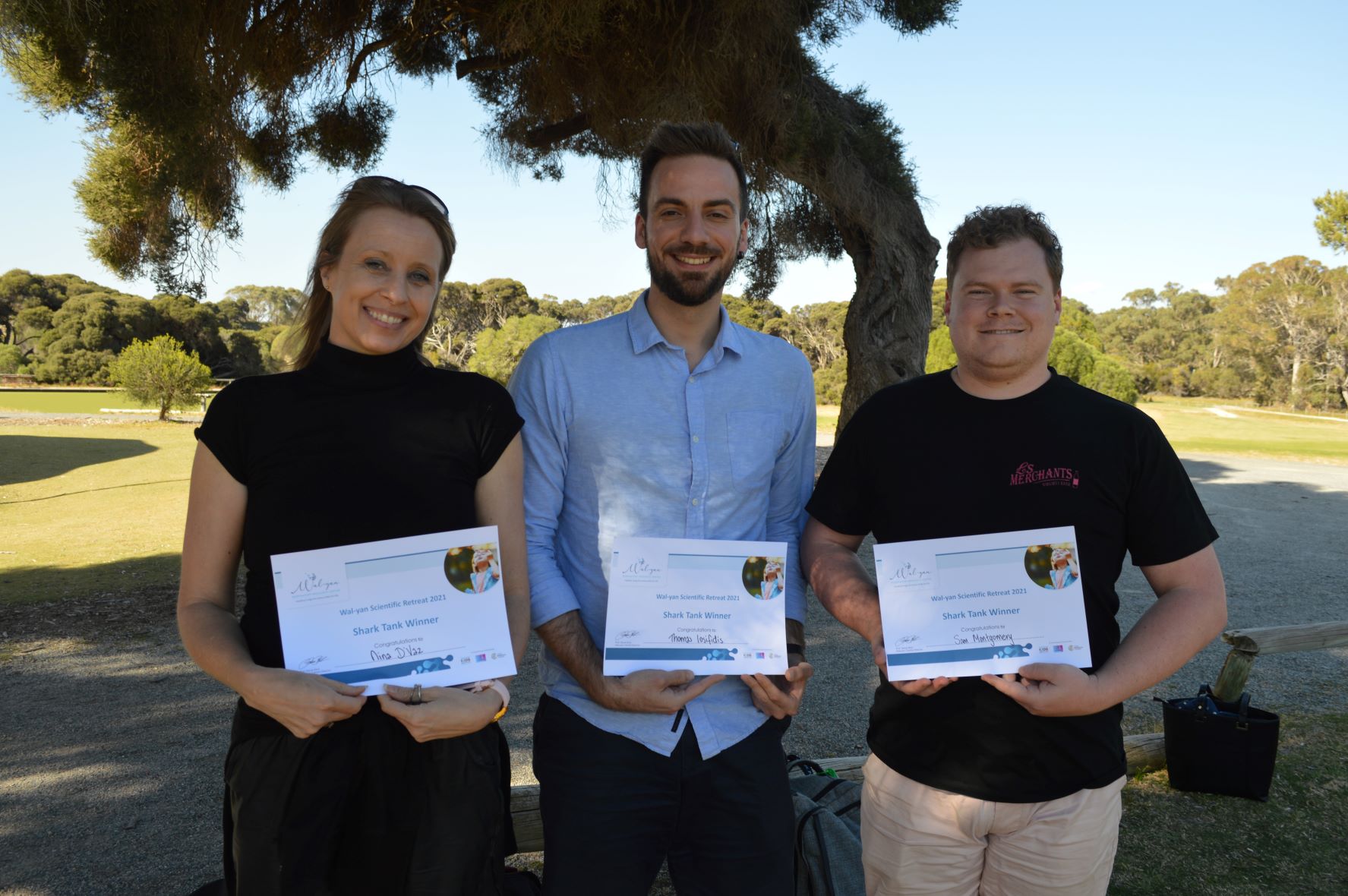
ORIGINS Biobank Manager wins a Shark Tank pitch at Scientific Retreat

ORIGINS sub-projects that are currently inactive

Program Coordinator, ARC Life Course Centre
Sometimes, there is an urgent need to administer inhaled adrenaline to children, awake, sedated or anaesthetised to treat asthma, bronchospasm, croup, and suspected laryngeal/pharyngeal oedema or stridor, which can become severe or even life-threatening. To better inform emergency dosing and administration guidelines, we aimed to quantify the amount of adrenaline delivered for inhalation from a nebuliser, in a simulated experimental delivery set-up for spontaneously breathing children and adults, either via an anaesthetic face mask, a Laryngeal Mask Airway or an Endotracheal tube.
Airway management is required during general anaesthesia and is essential for life-threatening conditions such as cardiopulmonary resuscitation. Evidence from recent trials indicates a high incidence of critical events during airway management, especially in neonates or infants. It is important to define the optimal techniques and strategies for airway management in these groups.
Chronic childhood constipation is a common problem that severely impacts quality of life. Recently, the efficacy of intrasphincteric botulinum toxin (botox) injection in breaking the cycle of constipation has been demonstrated. The current study aims to investigate response rate to treatment, symptom and examination finding associations, and identify associations between patient characteristics and outcome.