
Search
Showing results for "early life"
Appropriate support for the health of children with an intellectual disability by parents and healthcare professionals is pivotal, given the high risk of chronic conditions. However, there is limited research that has collected important insights from parents on their learnings for supporting their child's evolving healthcare needs.
People living with rare diseases had a high risk of negative health outcomes due to COVID-19. Pandemic preparedness will ensure best practice procedures and optimal outcomes during future pandemic events. This paper sought to understand the needs of children with rare diseases during the COVID-19 pandemic to inform preparation for future pandemic and disaster events. First, impacts and outcomes from the COVID-19 pandemic on people living with rare disease were identified in the literature.
To investigate the long-term effects of early-life recurrent otitis media (OM) and subsequent behavioural problems in children at the age of 10 years.
Almost half of stillbirths could be potentially identified antenatally based on a combination of factors
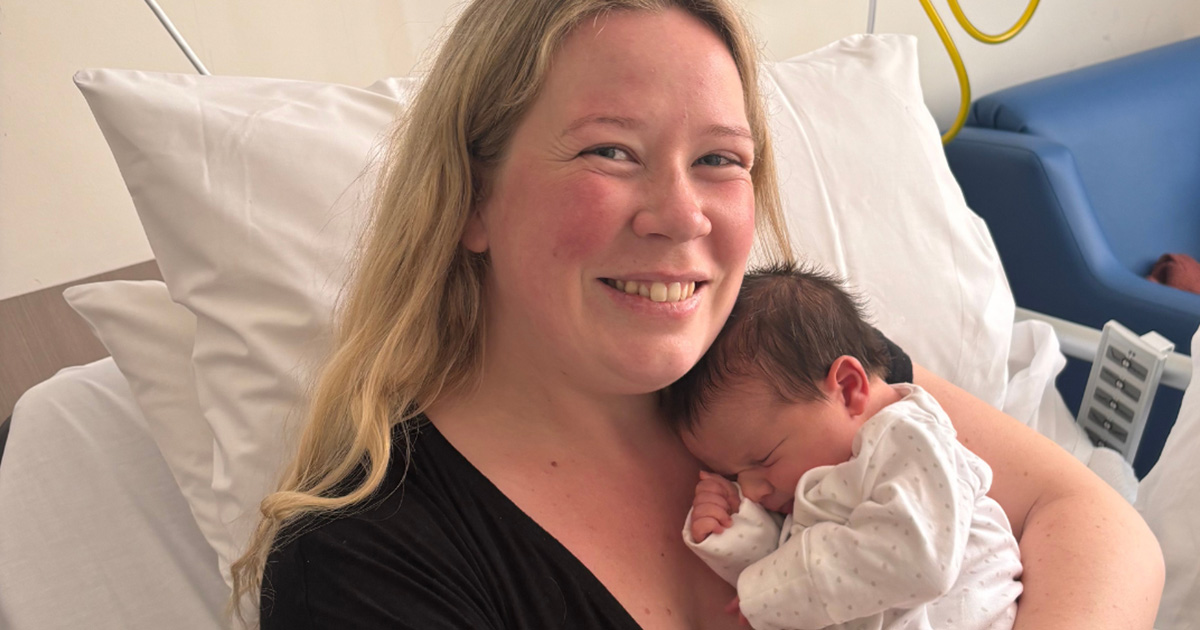
Australia’s biggest longitudinal study following the health and wellbeing of children from their conception through to childhood, has welcomed its 10,000th and final participant.
Researchers at Perth's Telethon Institute are one step closer to preventing serious lung disease which is the main cause of suffering in cystic fibrosis.
Convenient, readily available and helping create a close and loving bond between baby and mother, breastfeeding is highly regarded for optimising infant health and preventing chronic disease in adulthood.
There is no published information on preterm children's activities and participation during middle childhood, a time when growth and development are characterised by increasing motor, reasoning, self-regulation, social and executive functioning skills. This study explored the health, activities and participation of children born very preterm during middle childhood (6-9 years) from the perspectives of their parents.
Synthesized findings demonstrate that people with intellectual disability, who live in community or residential settings, may fall more frequently, and at a younger age
This study describes how an informed consent process was developed for people with intellectual disability and how it is working in a current study