
Search
Showing results for "early life"
People living with rare diseases had a high risk of negative health outcomes due to COVID-19. Pandemic preparedness will ensure best practice procedures and optimal outcomes during future pandemic events. This paper sought to understand the needs of children with rare diseases during the COVID-19 pandemic to inform preparation for future pandemic and disaster events. First, impacts and outcomes from the COVID-19 pandemic on people living with rare disease were identified in the literature.
Researchers at Perth's Telethon Institute are one step closer to preventing serious lung disease which is the main cause of suffering in cystic fibrosis.
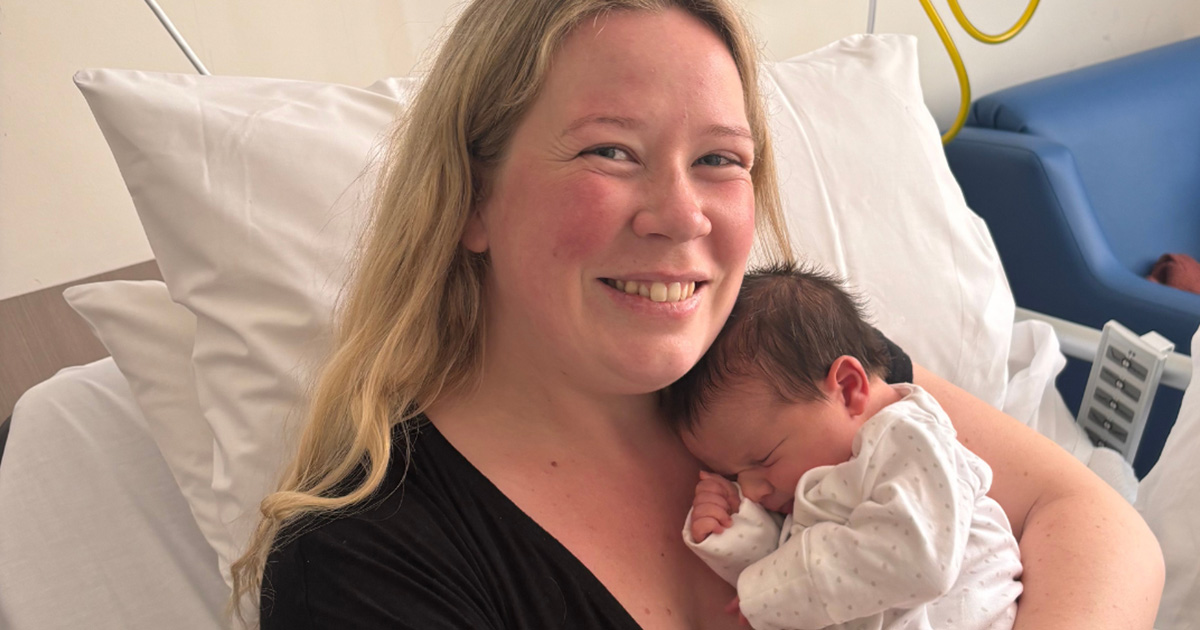
Australia’s biggest longitudinal study following the health and wellbeing of children from their conception through to childhood, has welcomed its 10,000th and final participant.
To investigate how caregivers of children with developmental and epileptic encephalopathy and severe developmental impairments describe meaningful change for functional domains and why it is important.
The aim of this study was to describe pubertal development in a population-based cohort of females with Rett syndrome.

Congratulations to Principal Research Fellow Dr Aveni Haynes from The Kids Research Institute Australia and the University of Western Australia.

Valued at a total of $440,000, the Wal-yan Respiratory Research Centre Inspiration Awards 2022 will support five cutting-edge research projects.
Exposure to surgery and anesthesia in early childhood has been found to be associated with an increased risk of behavioral deficits. While the US Food and Drug Administration (FDA) has warned against prenatal exposure to anesthetic drugs, little clinical evidence exists to support this recommendation. This study evaluates the association between prenatal exposure to general anesthesia due to maternal procedures during pregnancy and neuropsychological and behavioral outcome scores at age 10.
We aimed to investigate the influence of antenatal and postnatal factors on the increasing incidence of overweight/obesity and mental health disorders in young adults
Synthesized findings demonstrate that people with intellectual disability, who live in community or residential settings, may fall more frequently, and at a younger age