
Search
Showing results for "early life"

Program Coordinator, ARC Life Course Centre
This systematic review aimed to identify the most important social, environmental, biological, and/or genetic risk factors for intellectual disability.
Language is one of the most remarkable developmental accomplishments of early childhood. Language connects us with others and is an essential tool for literacy, education, employment and lifelong learning.

Ten-year-old Keelan Mullins is known to his mum Clare Hindle as her ‘miracle baby’. Keelan was born in March 2013 at 26 weeks’ gestation and weighing just 1096 grams.
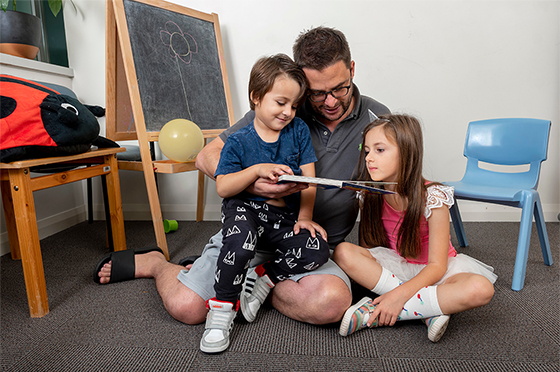
In this blog, Speech Pathologist Genevieve Wilmot discusses the many benefits of book sharing and how it can promote connection and social and communication development.
Results highlight the need for a culturally appropriate information and education of the importance of chronic wet cough in children
This is the first prospective study to identify an association between early life testosterone exposure and pragmatic language difficulties in girls
This prospective, longitudinal cohort study will examine airway sputum, lung function, and clinical surveillance data of children with bronchiectasis attending Perth Children’s Hospital.

A The Kids Research Institute Australia researcher whose work focuses on the mental health of babies and young children has been chosen from a global field to become one of 20 new Zero to Three Fellows.
The largest survey ever undertaken of Aboriginal children and families has thrown new light on why most existing intervention programs are failing.