
Search
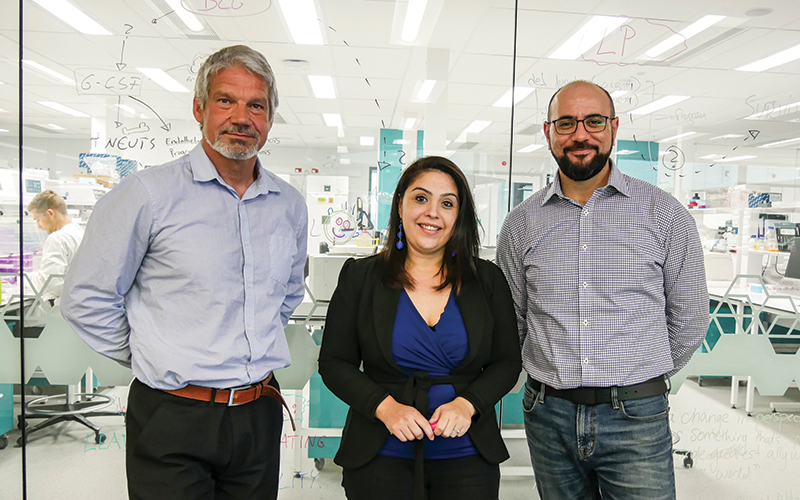
Running any research project is a feat of logistical gymnastics – and often, you don’t know what can go wrong until it happens.
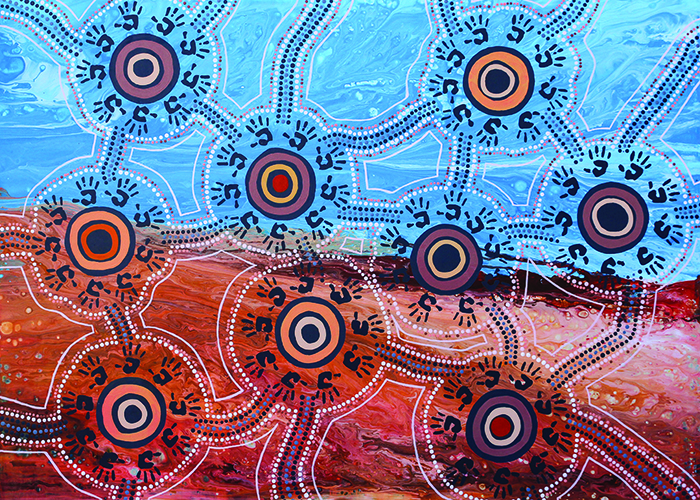
More than 3,000 skin checks have been undertaken as part of a large clinical trial in WA’s Kimberley region aimed at halving the burden of skin sores in school-aged Aboriginal children.
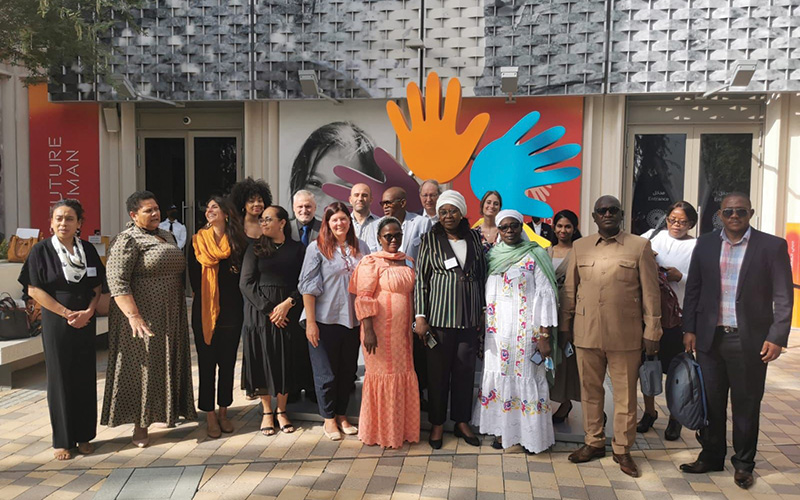
A powerful data tool developed by international child development researcher Professor Sally Brinkman and former research assistant Tom Brown could improve early childhood support for children around the world after being launched in Dubai this year.
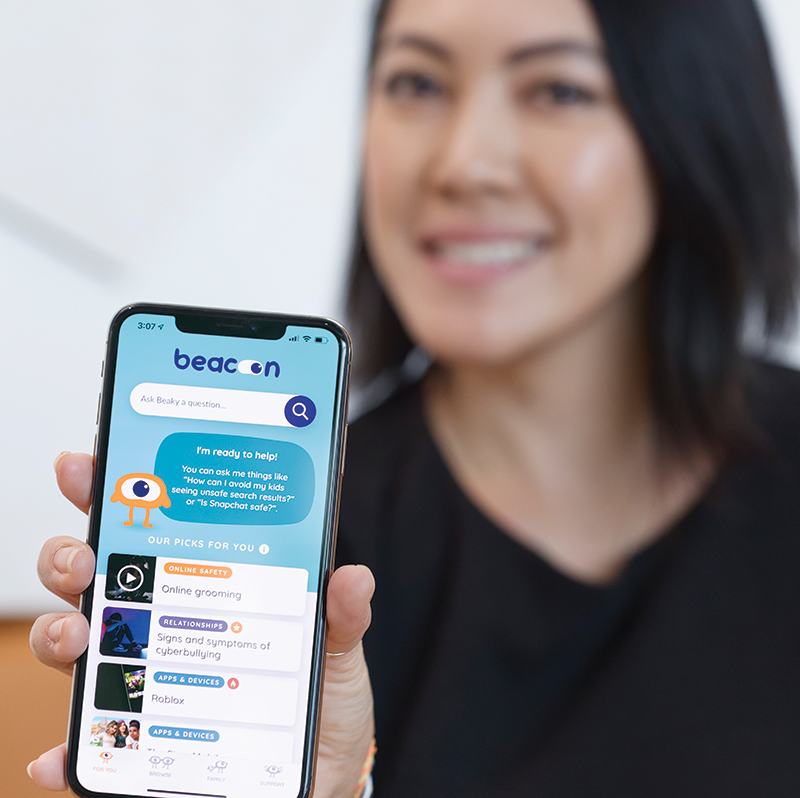
Parents, carers and educators have embraced an innovative tool in the battle to keep kids safe online - Beacon, an Australia-first, evidence-based cyber safety app.
An interactive Child Development Atlas is giving policymakers, planners and services easy access to important data about the health and wellbeing of WA families.
Findings from the Banksia Hill Project revealed 89% of young people in detention who were assessed as part of the project had at least one form of severe neurodevelopmental impairment.

One third of Australia’s children will be better supported at school, thanks to a The Kids Research Institute Australia evidence review of what works best to support student behaviour needs.
WA Kids Cancer Centre is leading the charge to find innovative new treatments that will allow doctors to ‘dial down’ the amount of toxic treatments needed to fight cancer.
Medicine acceptability is crucial for paediatric drug development, yet its assessment remains challenging due to the multifaceted nature of sensory attributes like taste, smell, and mouthfeel. Traditional methods of acceptability evaluation often involve complex questionnaires and lack standardisation, leading to difficulties in a comparative analysis across studies.
Less than 20% of Australians with type 1 diabetes (T1D) meet recommended glucose targets. Technology use is associated with better glycaemia, with the most advanced being automated insulin delivery (AID) systems, which are now recommended as gold-standard T1D care. Our Australian AID trial shows a wide spectrum of adults with T1D can achieve recommended targets. Other studies, including lived experience data, are supportive. Insulin pumps are not subsidised for most Australian adults with T1D. We advocate change.