
Search
There is controversy regarding whether cystic fibrosis (CF) airway epithelial cells (AECs) are intrinsically proinflammatory.
Lung disease in patients with cystic fibrosis (CF) is characterized by recurrent bacterial respiratory infections and intense airway inflammation.
This study investigated the nature and prevalence of atypical pain responses in Rett syndrome and their relationships with specific MECP2 mutations.

The Airway Epithelial Research Team is investigating the role of the epithelium in the development of airway diseases including asthma, cystic fibrosis and lung transplant rejection.
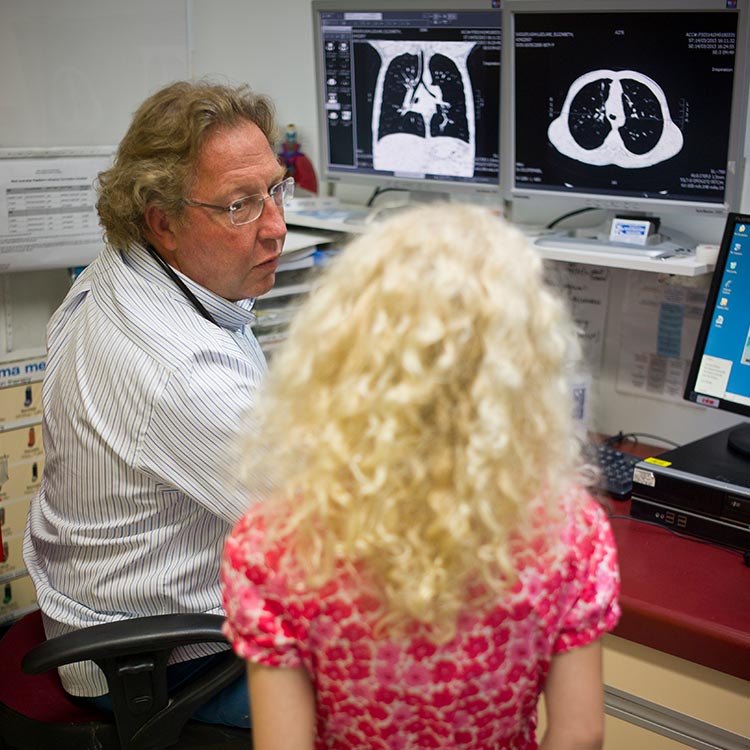
Early intervention is being touted as the key to preventing lung damage in children with cystic fibrosis.
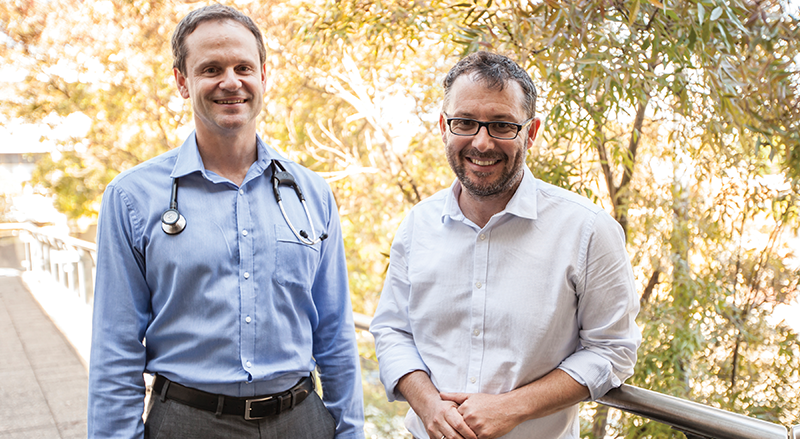
The Kids researchers are pioneering an exciting new approach to clinical trials, which aims to fast-track the best treatments for people with rare and complex diseases.
There is no consensus about which outcomes should be evaluated in studies of pulmonary exacerbations in people with cystic fibrosis (CF). Outcomes used for evaluation should be meaningful; that is, they should capture how people feel, function or survive and be acknowledged as important to people with CF, or should be reliable surrogates of those outcomes. We aimed to summarise the outcomes and corresponding endpoints which have been reported in studies of pulmonary exacerbations, and to identify those which are most likely to be meaningful.
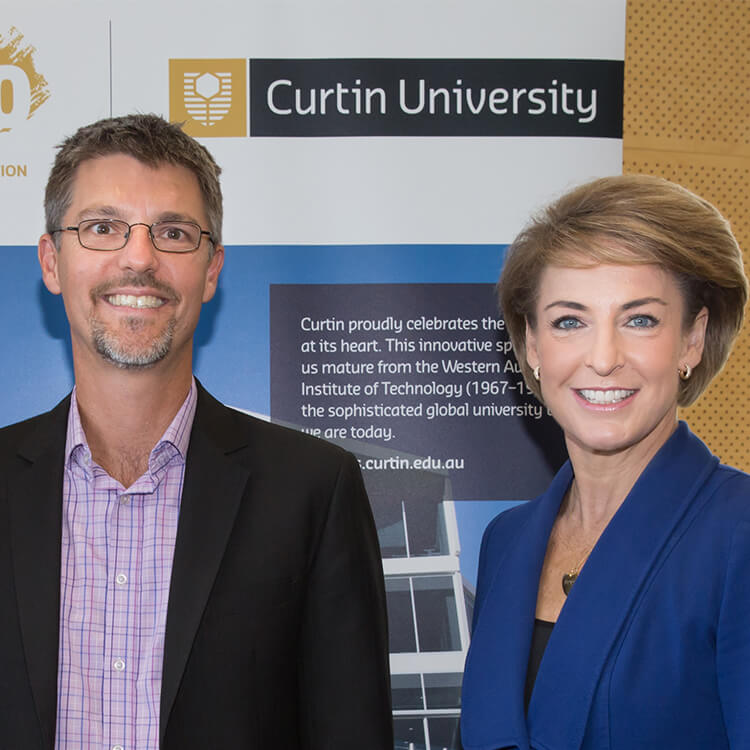
The Kids Research Institute Australia researchers have been awarded more than $8 million in prestigious project grants from the NHMRC.

Two researchers from The Kids Research Institute Australia’s Wal-yan Respiratory Research Centre have secured lucrative fellowships to advance cutting-edge phage therapy research for people living with cystic fibrosis (CF).
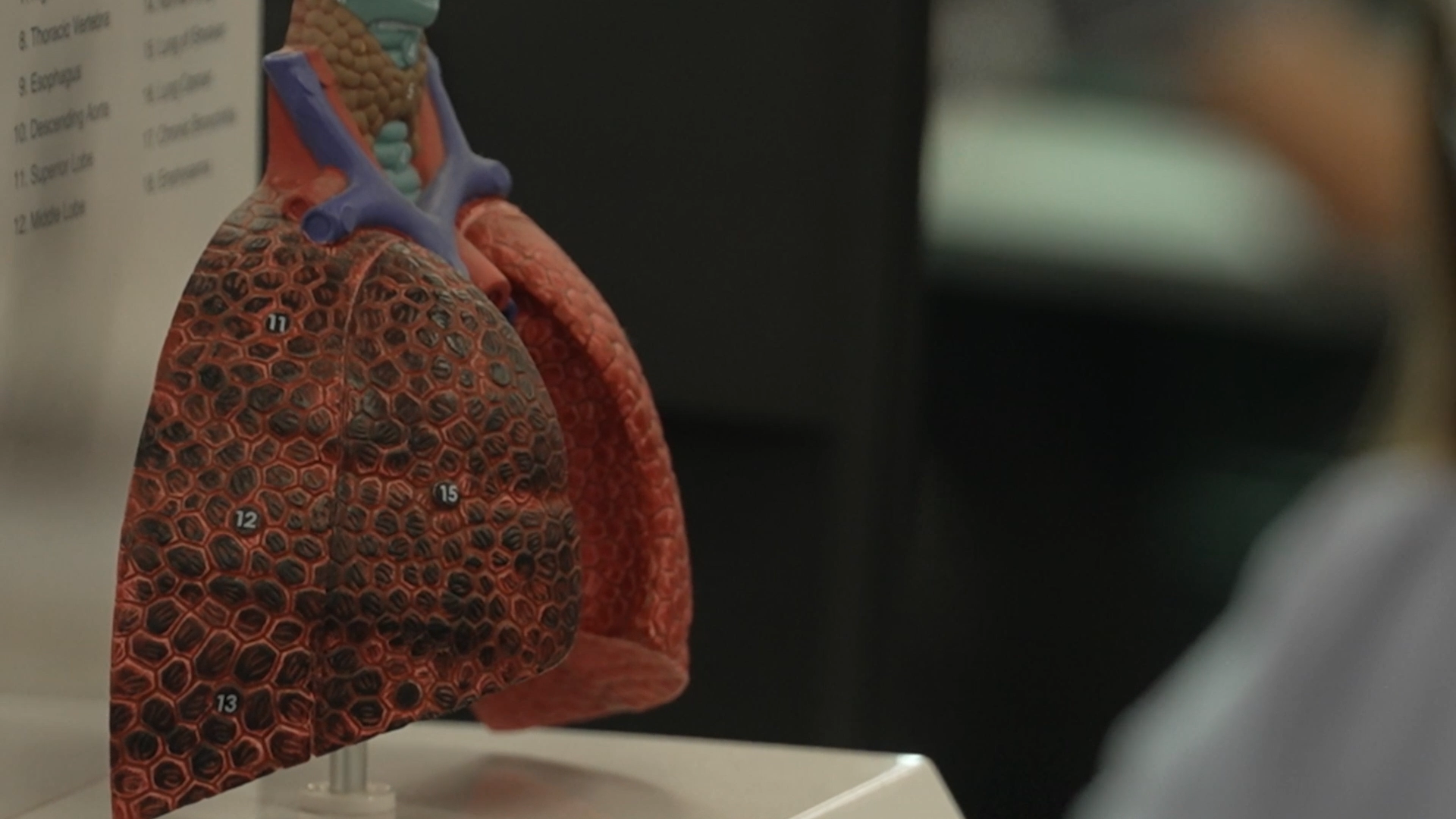
Promising results from an Australian-led clinical trial could drastically change the way we care for young children with cystic fibrosis (CF).