
Search

The teenage years can be a challenging time for families, a period made even more difficult if a child has type 1 diabetes.
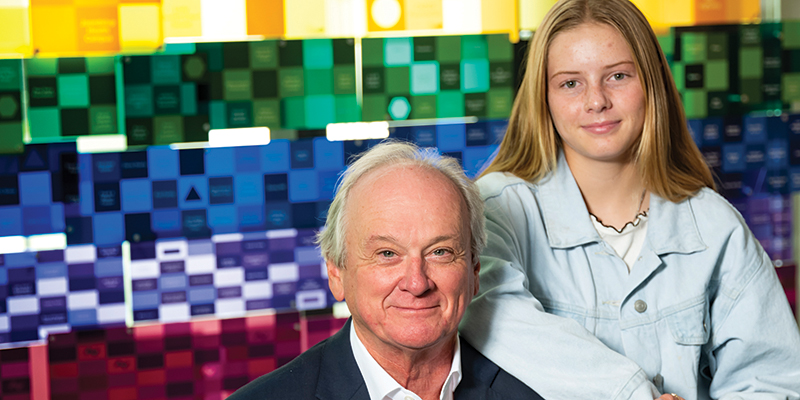
Recent diabetes technology is helping 12-year-old Drina keep on top of her condition and be independent, while significantly easing the disease burden on her family.
Researchers at the Children’s Diabetes Centre at The Kids Research Institute Australia have begun researching type 2 diabetes to tackle the rising incidence of the disease among young people in Australia.
A community-led, trauma-informed psychosocial intervention to improve health outcomes of children and young people with Type-1 diabetes.
We aimed to assess perceived stress and influencing factors in mothers with children at risk of type 1 diabetes and coeliac disease who did, or did not, develop islet autoantibodies or coeliac autoantibodies by 4 years of age.
Peroxisome proliferator-activated receptor γ (PPARγ) is a prominent ligand-inducible transcription factor involved in adipocyte differentiation, glucose homeostasis, insulin sensitivity, inflammation, and cell proliferation, making it a therapeutic target for diabetes, metabolic syndrome, autoimmune diseases, and cancer.
Type 1 diabetes in First Nations peoples is low yet type 2 diabetes is at epidemic proportions. This study aimed to determine the prevalence of islet autoimmunity in First Nations women with dysglycaemia and its association with clinical features.
Understanding the distribution and variation in NMR-based inflammatory markers is crucial to the evaluation of their clinical utility in disease prognosis and diagnosis. We applied high-resolution 1H NMR spectroscopy of blood plasma and serum to measure the acute phase reactive glycoprotein signals and the subregions of the lipoprotein-based Supramolecular Phospholipid Composite signals in a large multicohort population study.
To map and systematise existing research on the use of artificial intelligence (AI) in mental health-based diabetes care contexts, identify trends and potential gaps in the literature, examine methodological limitations and highlight future research directions.
Type 1 Diabetes (T1D) is a 'family illness'; diagnoses and management can be perceived as invasive or traumatic. Caregivers bear the brunt of the diagnostic shock, influencing their child's experience. Children and adolescents may grapple with the psychological effects of past/ongoing medical trauma. Additionally, adolescents may struggle with their mental health as they navigate tensions between caregiver involvement and their developmental need for autonomy.