
Search
There is a lack of evidence regarding the effect of dose, pattern and timing of prenatal alcohol exposure and behaviour problems in children aged 2 years.
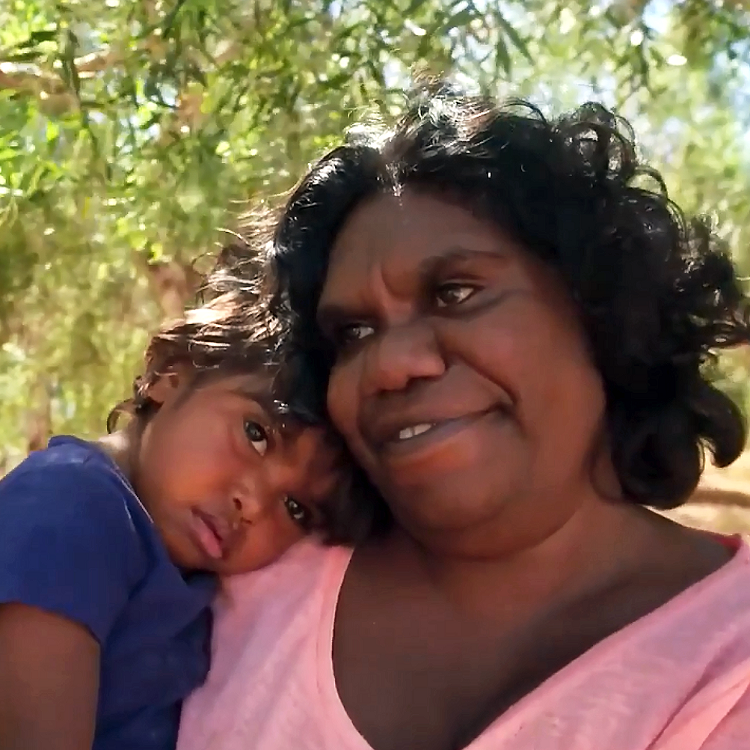
To mark International FASD Awareness Day, The Kids will launch a series of health promotion videos that feature local Aboriginal community members.
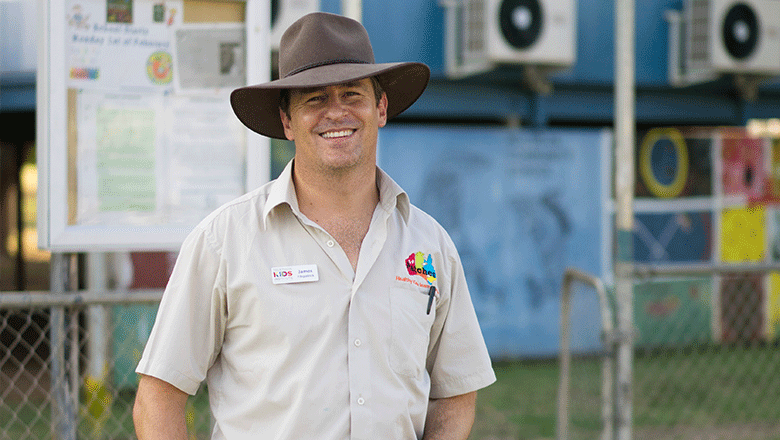
A The Kids Research Institute Australia researcher has been awarded $10,000 in State Government research support funding.
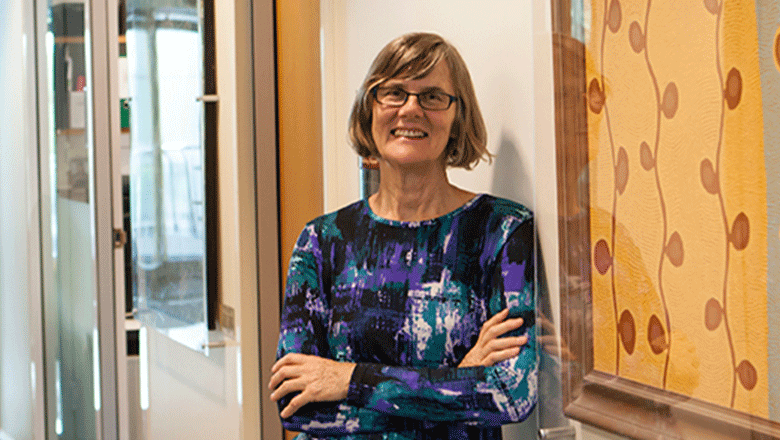
The Kids Research Institute Australia's Professor Carol Bower is not surprised by new research that shows alcohol use in pregnancy is 'common'.
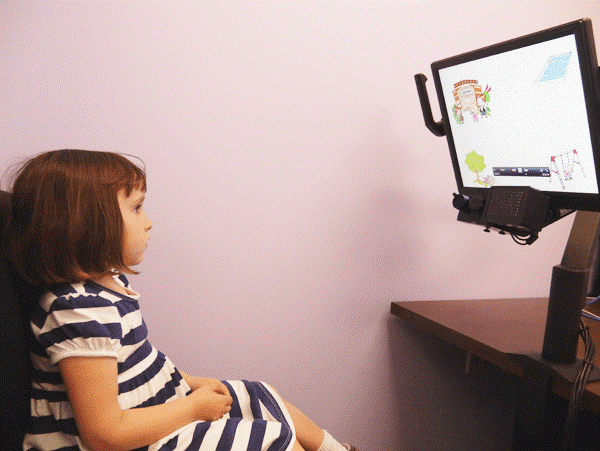
The Kids is trialling a new tool for earlier and easier screening of FASD and ADHD in children, using cutting-edge eye-tracking technology developed by the Kids Brain Health Network in Canada.
If there’s one thing modern researchers and health professionals now understand, it’s that for so many diseases and conditions affecting children and adolescents, early intervention is crucial.