
Search
Expression of bronchodilator response using forced oscillation technique measurements: absolute versus relative
This study investigated the nature and prevalence of atypical pain responses in Rett syndrome and their relationships with specific MECP2 mutations.
To assess whether lung volume and ventilation inhomogeneity in preterm infants at 15-18 months corrected age
Forced oscillation technique
Limited evidence suggests that airway epithelial structure and function is disrupted in very preterm infants; however, the epithelial morphology and physiology has not been well characterised following discharge from neonatal intensive care. This study aimed to characterise the nasal airway epithelium from 1-year-old survivors of very preterm birth.
The AIRWAY-Preterm cohort is one of the most robust, well-studied cohorts in the world!
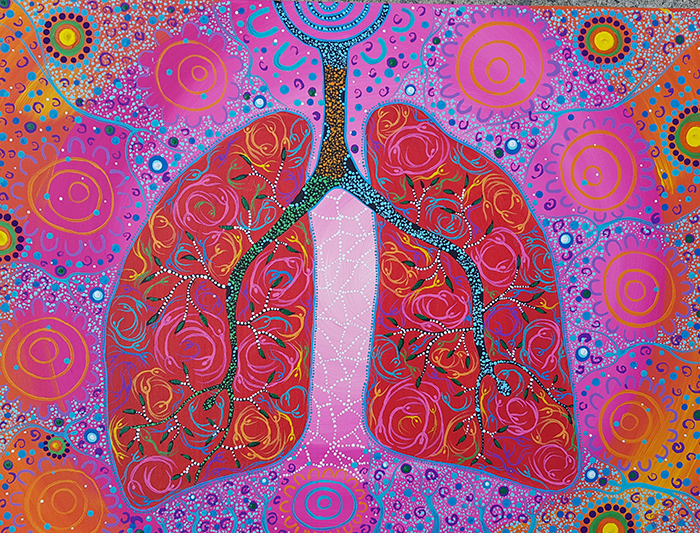
Healthy lungs help you to breathe better. This means you can sleep better, as well as play sports, run and walk without being short winded.
Lung damage in children with CF occurs much earlier than previously thought, and proving this is related to the decline that occurs later will create new paradigms for prevention and treatment.
Kathryn Ramsey BSc (Hons), PhD Co-Head, Foundations of Lung Disease kathryn.ramsey@thekids.org.au Co-Head, Foundations of Lung Disease Associate
The natural history of MECP2 duplication syndrome (MDS), a rare X-linked neurodevelopmental disorder with an estimated birth prevalence of 1/150,000 live births, is poorly understood due to a lack of clinical data collected for research. Such information is critical to the understanding of disease progression, therapeutic endpoints and outcome measures for clinical trials, as well as the development of therapies and orphan products.