
Search
Showing results for "early life"
This PhD project aims to examine the associations and causal pathways between racial discrimination and the health and wellbeing of Aboriginal children and young people aged 0-17 years.
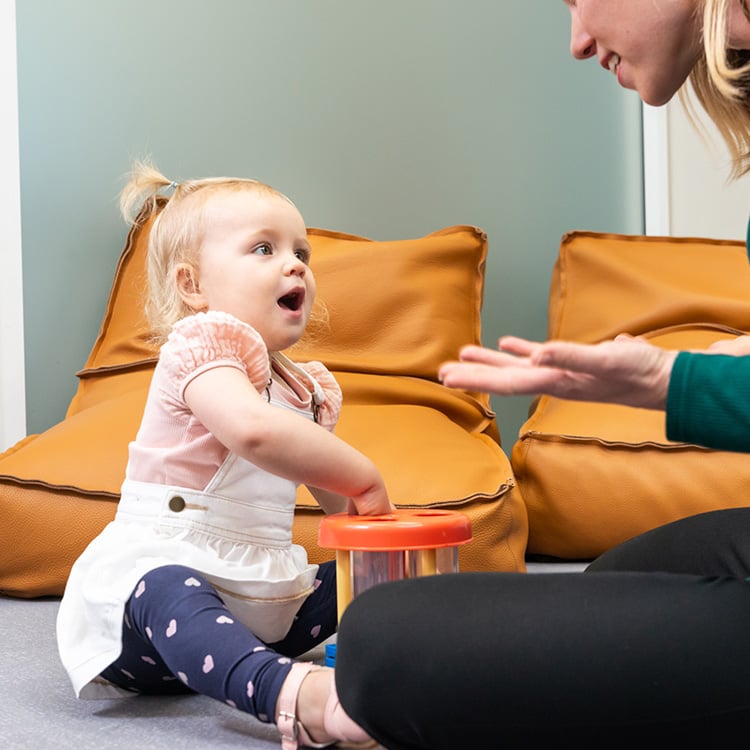
Find out about the range of Focused Therapy programs on offer at CliniKids.
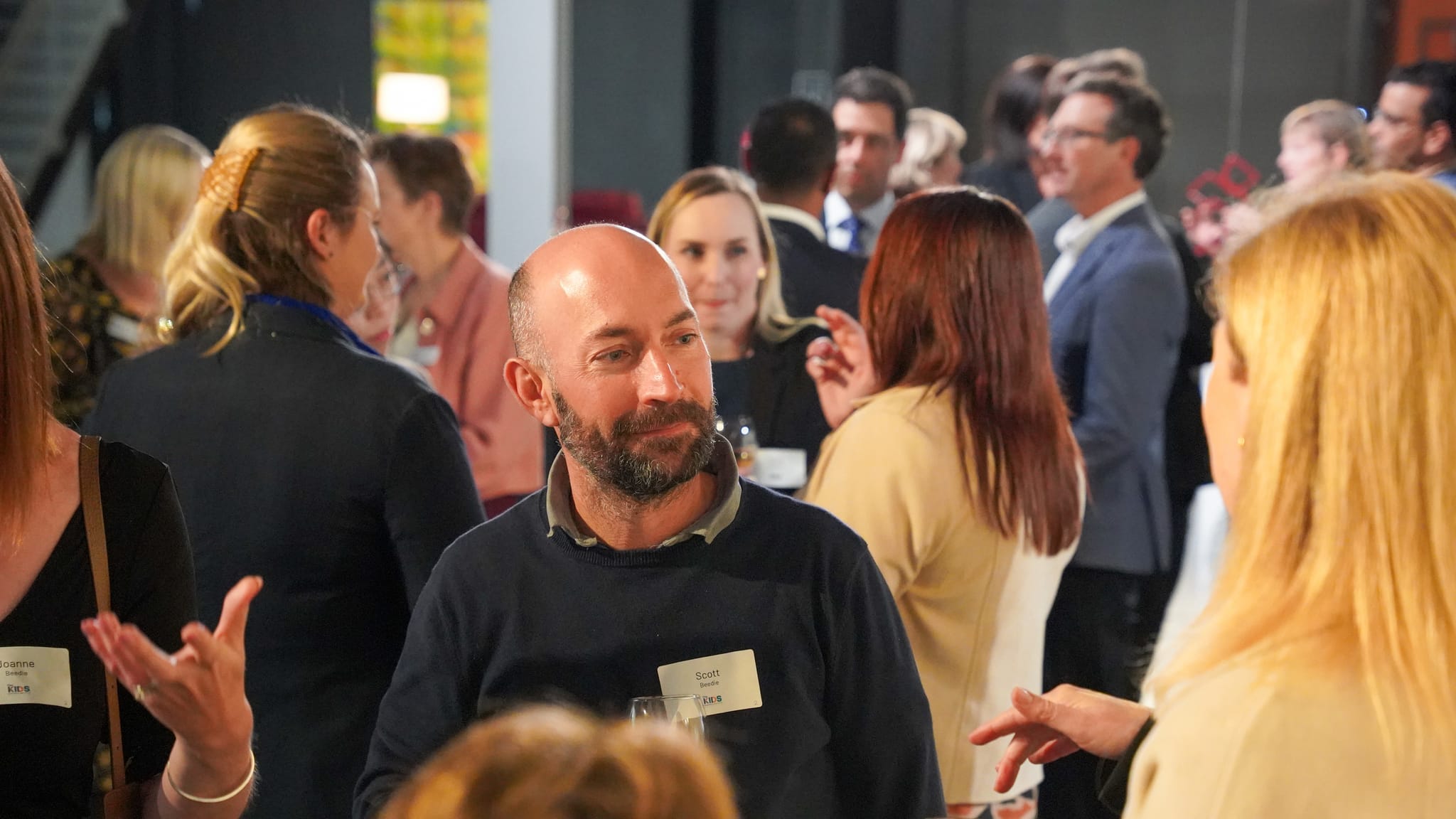
Your presence connects brilliant minds with the support they need to fuel bold ideas.
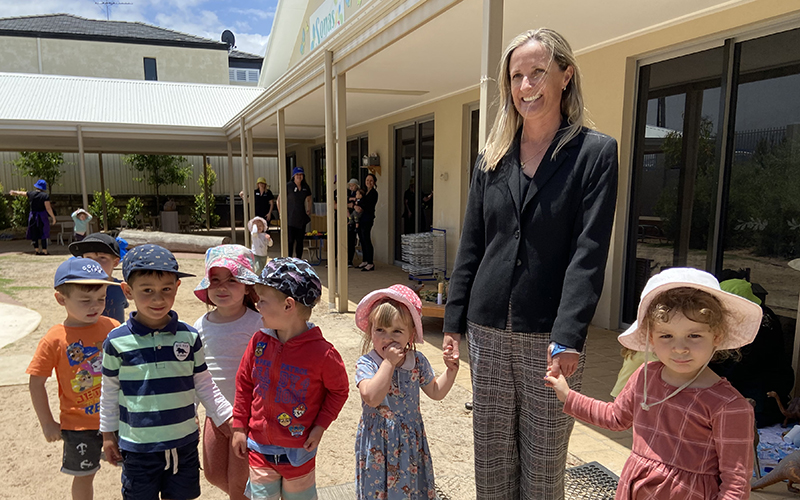
Childcare centres will be invited to help boost children’s physical activity levels by signing on to a new program which commits them to creating more opportunities for physical activity.

By investigating the way that breastmilk guides children’s immune trajectory, we provide evidence-based recommendations for the development of happy healthy kids

At The Kids our greatest asset is our people. We are strongly invested in the future of child medical research welcoming, nurturing, and encouraging the best and most innovative Australian and international researchers.
Each day of school missed makes a difference, with the effect on learning accumulating over time. From an early age, if children are taught that they need to 'show up' for school and make a commitment, this positive mentality aids academic and career success and brings benefits in adulthood.
MECP2 duplication syndrome (MDS) is an ultrarare, X-linked neurodevelopmental disorder that is poorly understood in terms of its natural history and phenotypic variability. There is limited information on how individuals with MDS acquire, retain or lose fundamental functional skills (gross motor, purposeful hand function and communication) - that of which this study aimed to better characterise in the largest case series to date.
Rett syndrome (RTT) is a rare neurodevelopmental disorder with developmental impairments, comorbidities, and abnormal behaviours such as hand stereotypies and emotional features. The Rett Syndrome Behaviour Questionnaire (RSBQ) was developed to describe the behavioural and emotional features of RTT.
We know from research that the risk of death from respiratory disease is 14 times higher for adults with cerebral palsy than for other adults. Respiratory disease is the most common cause of premature death in children and young people with cerebral palsy and one of the main causes of hospitalisation.