
Search
Showing results for "early life"
Increased risk of autism spectrum disorder with intellectual disability and cerebral palsy with intellectual disability for mothers of some foreign-born groups
There remains uncertainty about the effect of exercise on oxidative stress in people with Down syndrome
We investigated the literature from 2002 to 2016 describing the risk of ASD, intellectual disability and ADHD in children of refugee and immigrant backgrounds.
Providing new insights into the interpretation of genetic variants in a rare neurologi disorder, in the contexts of population sequencing data.
This study used qualitative methods to investigate the regaining of mobility in 12 months following fractures in Rett syndrome and parent caregiver experiences.
Although abilities were markedly impaired for the majority with the CDKL5 disorder, some females and a few males had better functional abilities
Parents of young children with type 1 diabetes (T1D) are at risk of experiencing elevated stress due to their responsibilities as caregivers. Despite this, there are limited interventions designed to enhance resilience in this population of parents. This pilot randomised controlled trial aimed to examine the acceptability, appropriateness, and feasibility of the Promoting Resilience in Stress Management for Parents (PRISM-P) intervention in parents of young children with T1D.
Following the outbreak of COVID-19, social distancing restrictions limited access to face-to-face mental health services in Western Australia (WA), necessitating a rapid transition to non-face-to-face alternatives, including telehealth. The current study investigated barriers and facilitators to telehealth access and engagement, and preferences for child and youth mental health service delivery during and beyond COVID-19.
Young adults who are lesbian, gay, bisexual, trans, queer or questioning, intersex, asexual and other diverse genders and sexualities (LGBTQIA+) are more likely to experience mental health difficulties and are at significantly elevated risk of substance abuse, self-harm and suicide, relative to their heterosexual, endosex and cisgender peers. There is a need for effective mental health interventions for LGBTQIA+ young adults. Mindful Self-Compassion training is a promising approach; among LGBTQIA+ individuals, self-compassion accounts for more variation in mental health outcomes than bullying, victimization, and adverse childhood experiences combined. Furthermore, LGBTQIA+ individuals with high self-compassion report more positive identity and happiness, less self-stigma, and lower suicidality than those with low self-compassion.
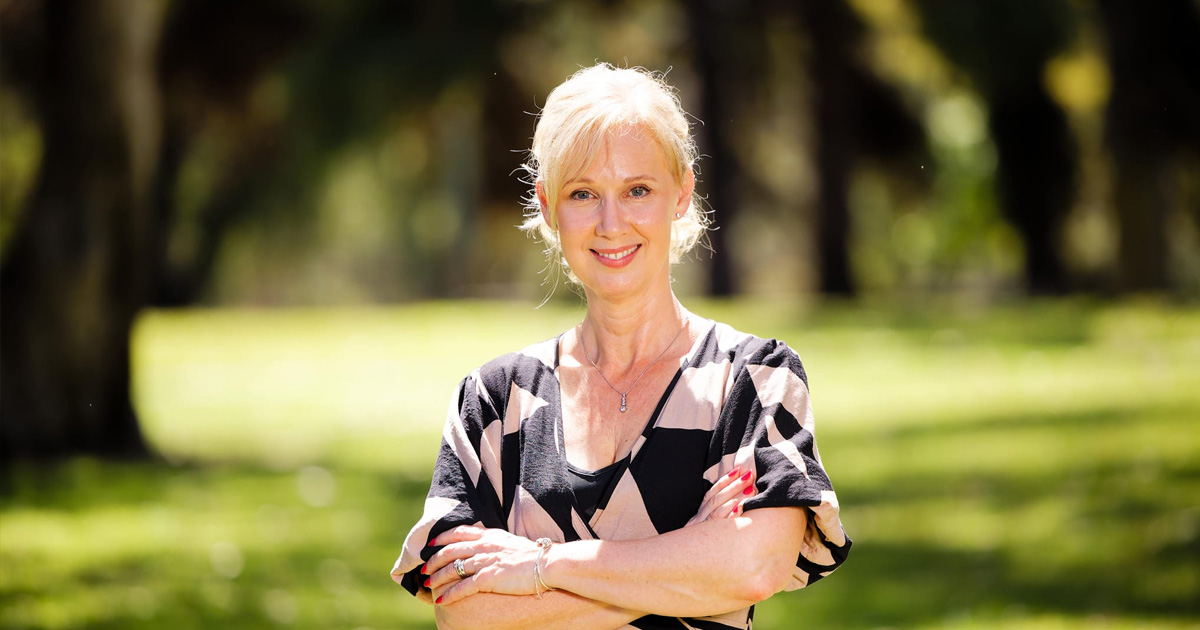
In honour of International Day of Women and Girls in Science, we celebrate women in STEM and their incredible contributions to the field, aiming to inspire the next generation of female scientists.