
Search
This scoping review considers the experiences of aspiring high school-aged athletes as they navigate the complexities of managing sport, education, social, and family life. The review synthesises existing literature on the decisions, barriers, facilitators, and support systems that influence aspiring athletes' pathways.
We aimed to synthesise global prevalence estimates of type 2 diabetes among Indigenous youth aged under 25 years, and examine age- and gender-specific differences and secular trends.
There is growing interest in how and why individuals adjust their goals in response to difficulties encountered during goal striving and the outcomes of such adjustments; however, research on these topics is fragmented across theoretical perspectives and life domains.
A main challenge identified by youth during exercise and sport is the lack of knowledge and awareness around type 1 diabetes (T1D) particularly in community sport settings. Working with youth living with T1D, parents and community sport coaches, our team has developed resources for the T1D and sporting community. This study was to evaluate the acceptability and usability of the resources.
Promoting wellbeing for youth is a global health priority and young people with chronic conditions demonstrate disproportionately low wellbeing compared to their peers. However, wellbeing is variably defined, and little is understood as to what wellbeing means for this population. The aim of this study was to develop a conceptualisation of wellbeing that is rooted in the perspectives of young people with chronic conditions.
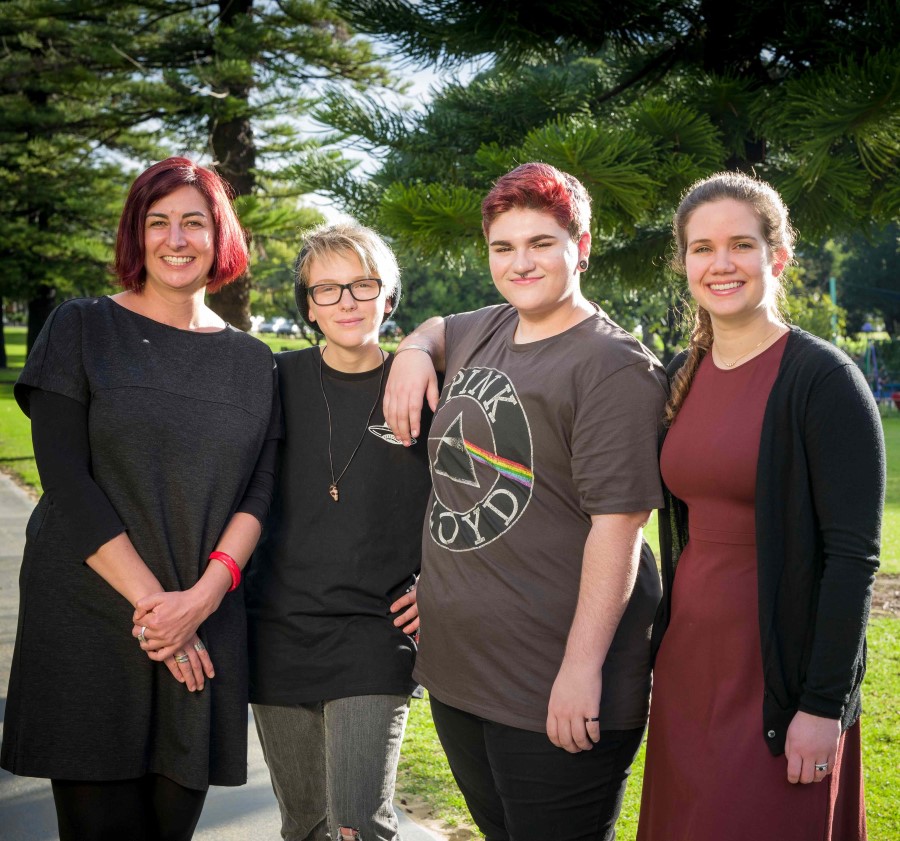
A ground-breaking survey by The Kids researchers has become the new reference point to guide policy change and educate health providers to better support trans and gender-diverse youth in Australia.

Once upon a time it was infectious diseases like polio, measles or tuberculosis that most worried parents. With these threats now largely under control, parents face a new challenge – sky-rocketing rates of non-infectious diseases such as asthma, allergies and autism.
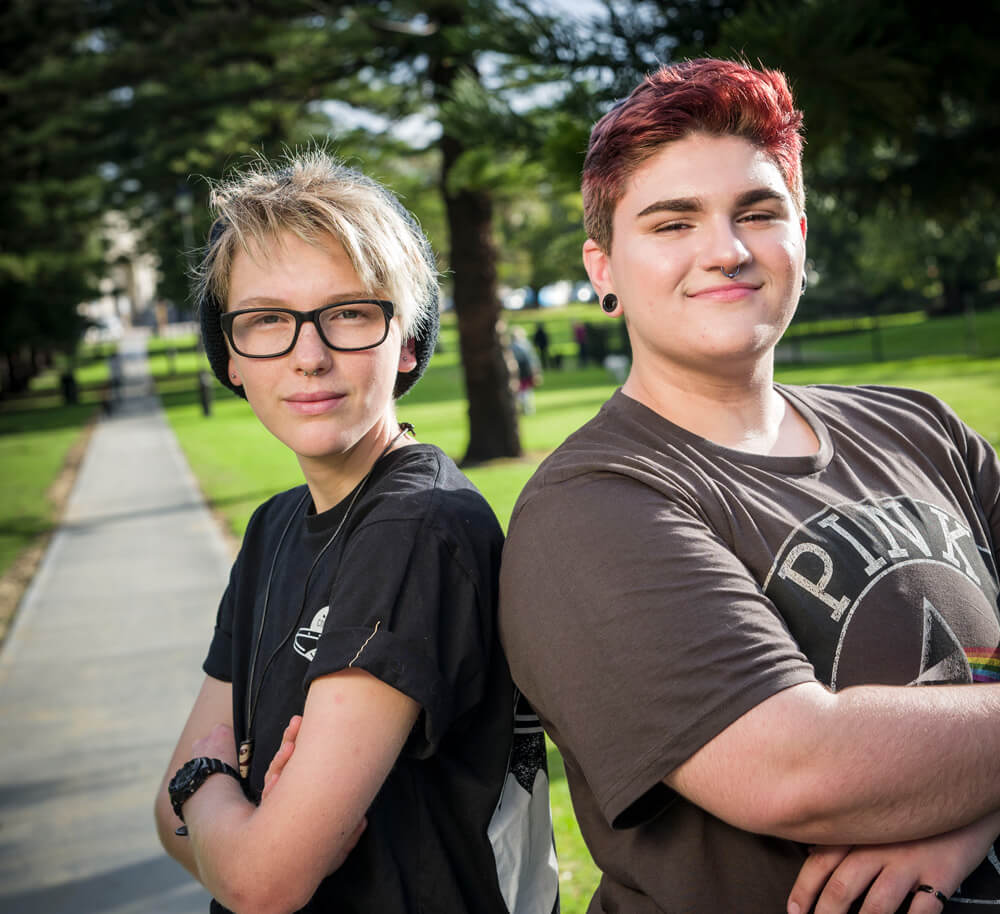
When Trans Pathways ambassador Drew, 17, came out as trans three years ago, the biggest hurdle for him was the availability of services and the time it took to access support.
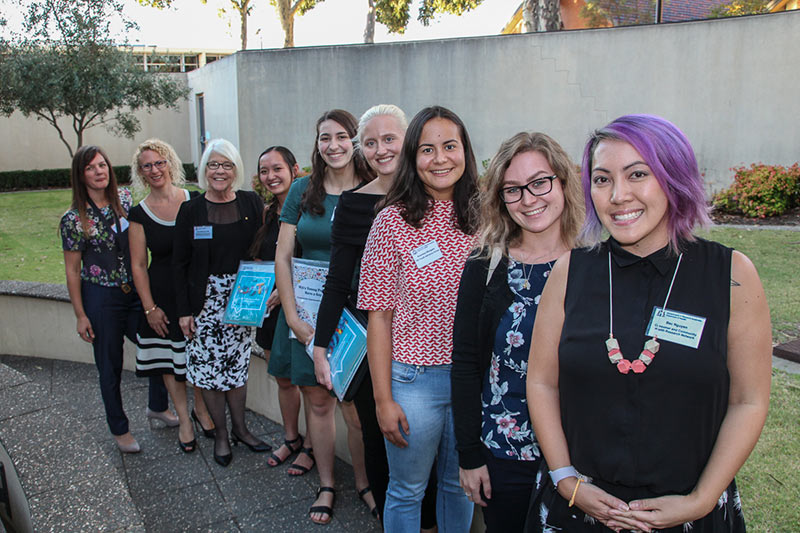
The Kids welcomes the launch of WA’s first policy on youth health which will give young people a voice in the planning of health services that affect them.

Researchers conducted a series of group interviews with young people to find out how much they knew about energy drinks and the consequences of drinking them.