
Search
Data on systemic and local reactions following receipt of TIV and dTpa during pregnancy support the safety of antenatal vaccination
This phase 1 trial assessed the safety and immunogenicity of an investigational tetanus/diphtheria/acellular pertussis vaccine combined with CpG 1018 adjuvant 1500 μg (Tdap-1018 1500 μg) or 3000 μg (Tdap-1018 3000 μg) in adults and adolescents.
In many countries, infant vaccination with acellular pertussis (aP) vaccines has replaced use of more reactogenic whole-cell pertussis (wP) vaccines. Based on immunological and epidemiological evidence, we hypothesised that substituting the first aP dose in the routine vaccination schedule with wP vaccine might protect against IgE-mediated food allergy. We aimed to compare reactogenicity, immunogenicity, and IgE-mediated responses of a mixed wP/aP primary schedule versus the standard aP-only schedule.
Previous Australian studies have shown that delayed vaccination with each of the three primary doses of diphtheria-tetanus-pertussis-containing vaccines (DTP) is up to 50 % in certain subpopulations. We estimated the excess burden of pertussis that might have been prevented if (i) all primary doses and (ii) each dose was given on time.
Following the introduction of jurisdictional maternal pertussis vaccination programs in Australia, we estimated maternal vaccine effectiveness (VE) and whether maternal pertussis vaccination modified the effectiveness of the first 3 primary doses of pertussis-containing vaccines.
This phase III study evaluated safety, tolerability, and immunogenicity of V114 (15-valent pneumococcal conjugate vaccine) in healthy infants. V114 contains all 13 serotypes in PCV13 and additional serotypes 22F and 33F.

A dose of the whooping cough vaccine might reduce cases of childhood food allergies according to latest research by the Wesfarmers Centre of Vaccines and Infectious Diseases based at The Kids Research Institute Australia.
To evaluate the effectiveness of maternal pertussis vaccination for preventing pertussis infections in Aboriginal and Torres Strait Islander infants under seven months of age.
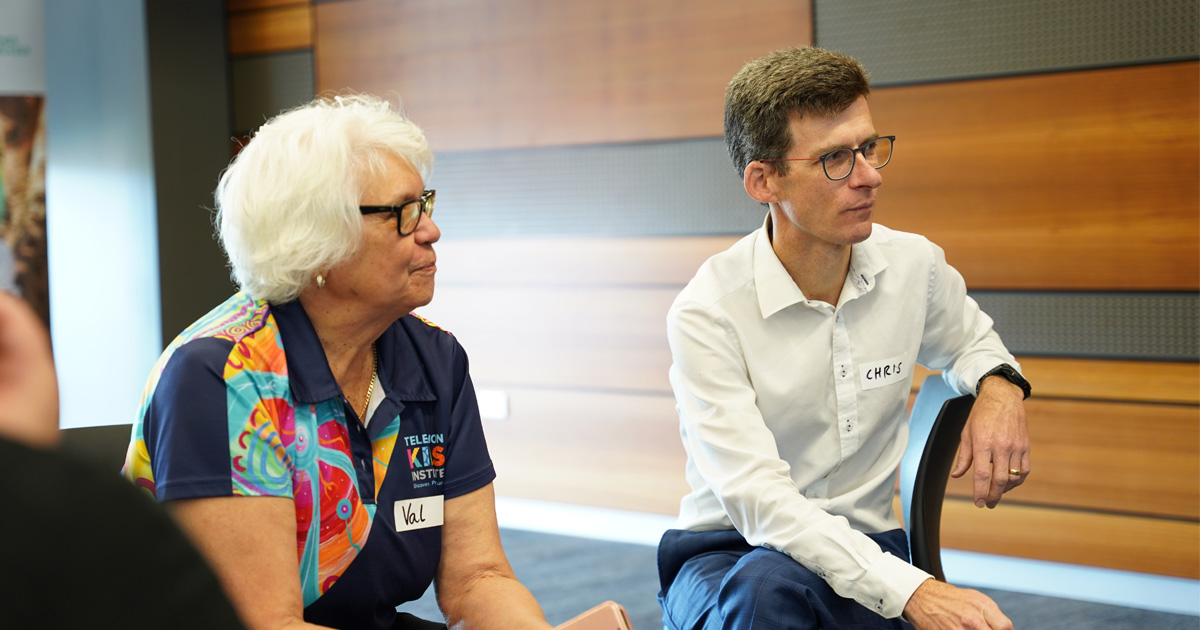
Researchers from the Wesfarmers Centre of Vaccines and Infectious Diseases at The Kids Research Institute Australia have shared their expertise with the community in Cockburn, covering topics ranging from respiratory disease in babies to recurring ear infections in kids.
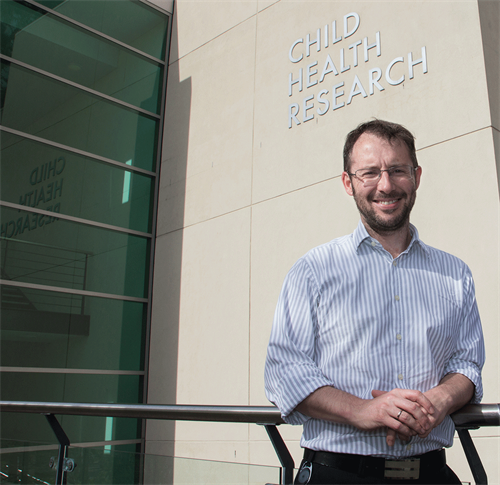
Researchers from The Kids Research Institute Australia and Curtin University will use a $3.9 million grant from the National Health and Medical Research Council to investigate whether a type of whooping cough vaccine could provide bonus protection against food allergies and eczema.