
Search
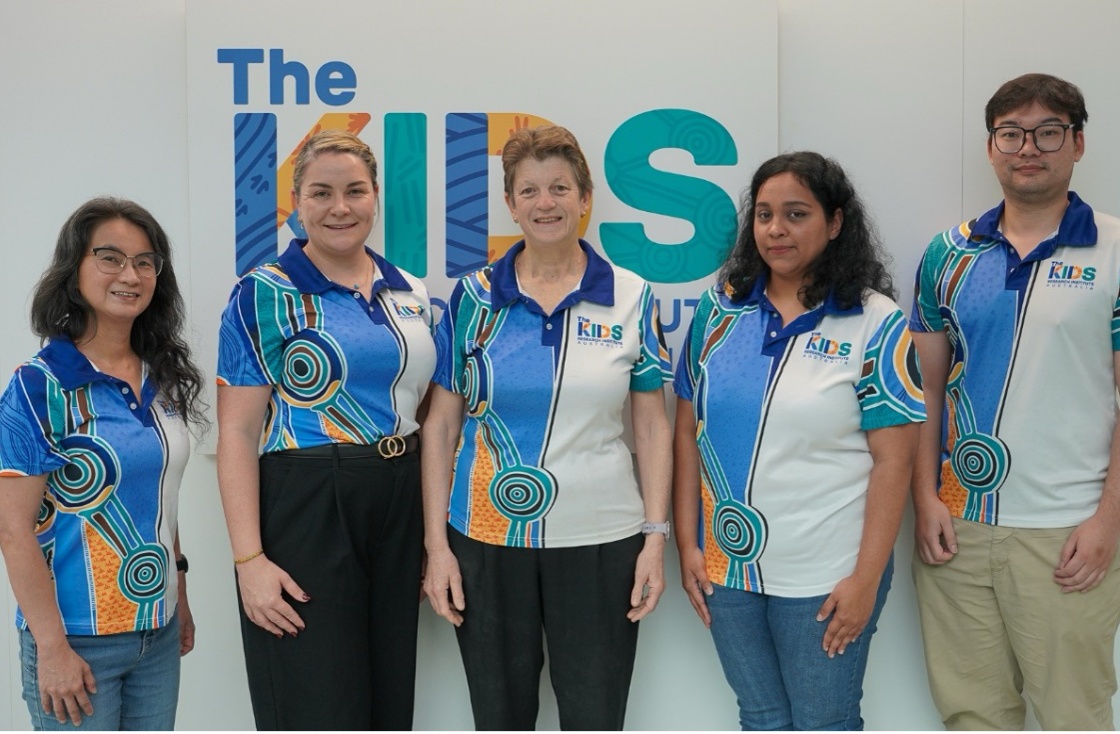
Meet the team behind the CIRCA DIEM study.
The CIRCA DIEM Trial Steering Committee provides independent oversight and strategic guidance for the study.
A sub-study is an ‘add-on’ study that helps to answer specific questions within a larger research project. If you decide to participate in the CIRCA DIEM study, you or your child may be invited to take part in one of the CIRCA DIEM sub-studies.
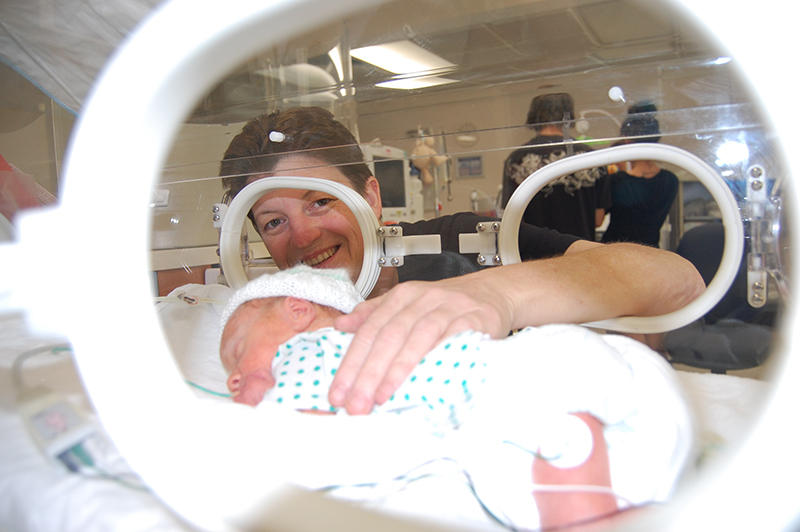
The CIRCA DIEM study aims to establish if cycling environmental light and noise levels for premature infants during their initial hospital stay leads to earlier development of circadian (daily) rhythms and better outcomes for the preterm babies, including improved brain development.
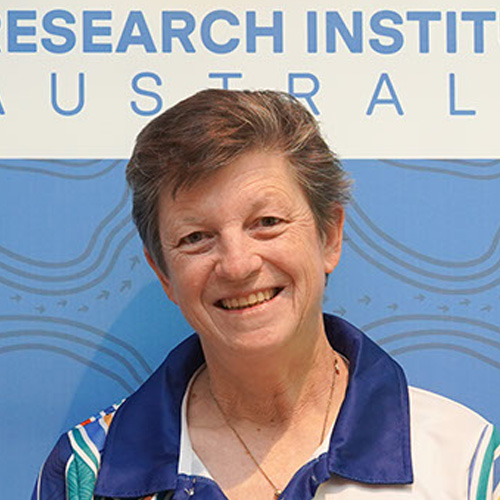
Head, Developmental Chronobiology
The Chronobiology team works to understand the factors that contribute to poor lung and heart function in newborn infants and find ways to prevent heart and lung disease.
High frequency ventilation (HFV) in neonates has been in use for over forty years. Some early HFV ventilators are no longer available, but high frequency oscillatory ventilation (HFOV) and jet ventilators (HFJV) continue to be commonly employed. Advanced HFOV models available outside of the United States are much quieter and easier to use, and are available as options on many conventional ventilators, providing important improvements such as tidal volume measurement and targeting.
High-frequency oscillatory ventilation (HFOV) is an established mode of respiratory support in the neonatal intensive care unit. Large clinical trial data is based on first intention use in preterm infants with acute respiratory distress syndrome. Clinical practice has evolved from this narrow population. HFOV is most often reserved for term and preterm infants with severe, and often complex, respiratory failure not responding to conventional modalities of respiratory support.
Chorioamnionitis is a common antecedent of preterm birth and induces inflammation and oxidative stress in the fetal lungs. Reducing inflammation and oxidative stress in the fetal lungs may improve respiratory outcomes in preterm infants. Creatine is an organic acid with known anti-inflammatory and antioxidant properties.
Bronchopulmonary dysplasia (BPD) remains the most common complication of preterm birth with lifelong consequences. Multiple BPD definitions are currently used in daily practice. Uniformity in defining BPD is important for clinical care, research and benchmarking. The aim of this Delphi procedure is to determine what clinicians and researchers consider the key features for defining BPD.