
Search
Preterm infants are at increased risk for invasive neonatal bacterial infections. S. epidermidis, a ubiquitous skin commensal, is a major cause of late-onset neonatal sepsis, particularly in high-resource settings. The vulnerability of preterm infants to serious bacterial infections is commonly attributed to their distinct and developing immune system.
Late-onset sepsis (LOS) with Staphylococcus epidermidis is common in preterm infants, but the immunological mechanisms underlying heightened susceptibility are poorly understood. Our aim is to characterize the ontogeny of cytokine responses to live S. epidermidis in preterm infants with and without subsequent Gram-positive LOS.
Very preterm infants have a marked innate inflammatory response at the time of late-onset sepsis
Tobias Strunk MD, PhD, FRACP Head, Neonatal Health tobias.strunk@thekids.org.au Head, Neonatal Health Clinical Professor Tobias Strunk is a
Tobias Strunk MD, PhD, FRACP Head, Neonatal Health tobias.strunk@thekids.org.au Head, Neonatal Health Clinical Professor Tobias Strunk is a
The neonatal skin is central to early survival and immune development. Far from being a passive mechanical barrier, it integrates physical, chemical, and microbial defences that together protect the infant in the immediate postnatal period. In preterm infants, structural immaturity, reduced antimicrobial capacity, and altered microbial colonisation confer heightened vulnerability to infection and inflammation.
Preterm infants are commonly treated with antibiotics on admission to the neonatal unit as part of routine care. We aimed to identify infants <32 weeks' gestation at low risk of early-onset sepsis (EOS) in whom antibiotics could be safely withheld.
Skin care for very and extremely preterm infant is an important and previously underappreciated topic. Coconut oil skin care for preterm infants is a promising option, but several important questions remain including the theoretical potential for allergic sensitization.
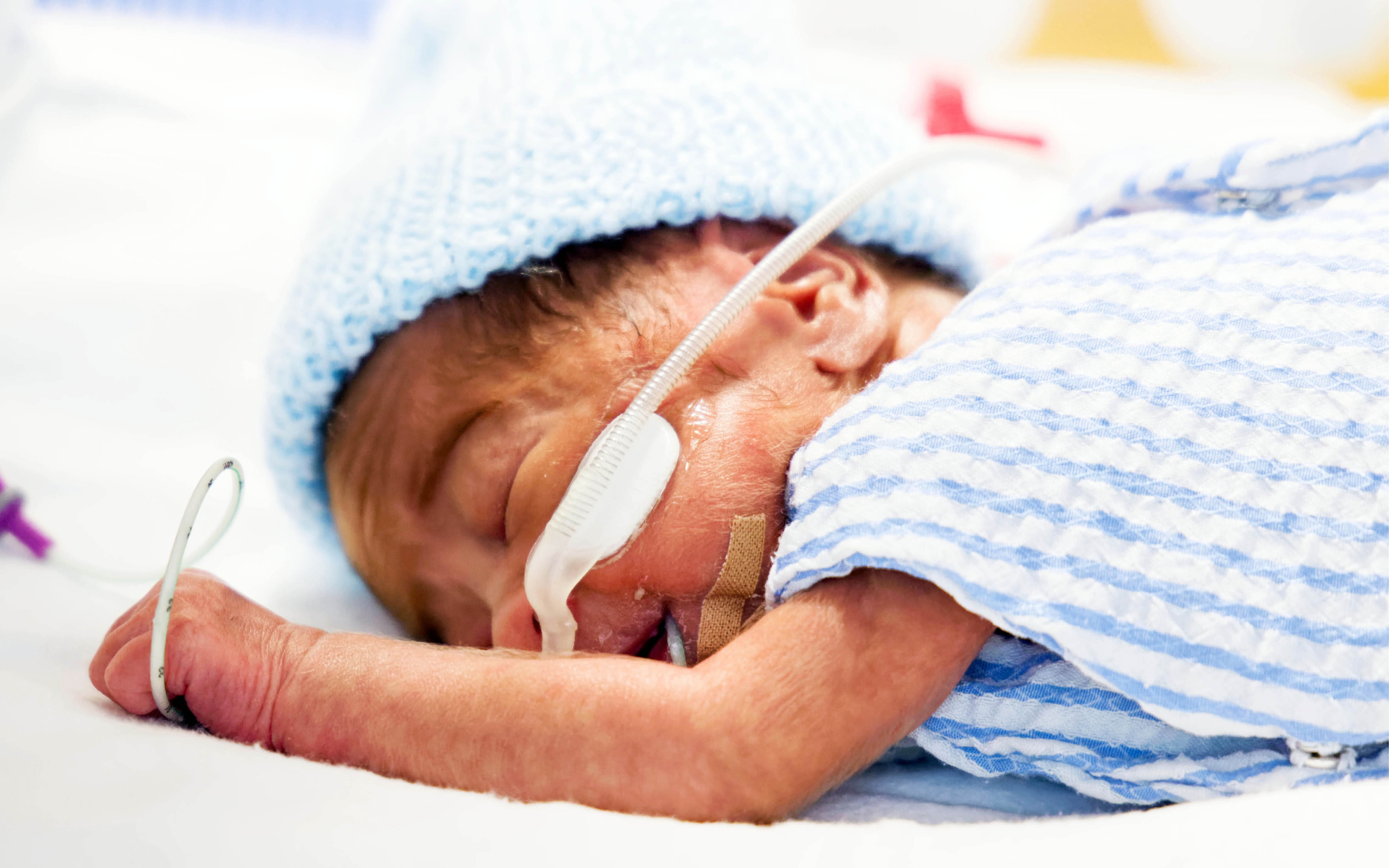
Preterm babies have a heightened risk of infection as their immune system is not mature. The Neonatal Health Team is exploring new ways to diagnose, prevent and treat infections in WA's smallest patients .
Sepsis is one of the leading causes of neonatal mortality. There is heterogeneity in the outcomes measured and reported in studies of neonatal sepsis. To address this challenge, a core outcome set (COS) for research on neonatal sepsis was needed.