
Search
Respiratory infection and wheezing illness are leading causes of hospitalisation in childhood, placing a significant burden on families and healthcare systems. However, reliably distinguishing children at risk of developing persistent disease from those likely to outgrow their symptoms remains a clinical challenge. Earlier identification would allow clinicians to focus care and resources on those most likely to benefit from long-term management, while reducing anxiety and uncertainty about the future for families.
Ingrid Pat Laing Holt BSc PhD PhD, DSc, FRCPath, FRCPI, FAA Head, Children's Respiratory Science Emeritus Honorary Researcher 6319 1828 Ingrid.laing@
Investigators: Peter Le Souef Project description There have been almost no studies of the first illness caused by HIV infection. We have recruited
Impaired interferon response and allergic sensitization may contribute to virus-induced wheeze and asthma development in young children. Plasmacytoid dendritic cells play a key role in antiviral immunity as critical producers of type I interferons.
Health outcomes for Australian Aboriginal and Torres Strait peoples are very poor. This is considerably worse in remote regions. The East Pilbara, where the Aboriginal and Torres Strait Islander communities of the Martu and Nyiyaparli people reside, is one such remote region.
Rhinoviruses (RVs) can cause severe wheezing illnesses in young children and patients with asthma. Vaccine development has been hampered by the multitude of RV types with little information about cross-neutralization. We previously showed that neutralizing antibody (nAb) responses to RV-C are detected twofold to threefold more often than those to RV-A throughout childhood. Based on those findings, we hypothesized that RV-C infections are more likely to induce either cross-neutralizing or longer-lasting antibody responses compared with RV-A infections.
Asthma exacerbations in children are associated with respiratory viral infection and atopy, resulting in systemic immune activation and infiltration of immune cells into the airways. The gene networks driving the immune activation and subsequent migration of immune cells into the airways remains incompletely understood. Cellular and molecular profiling of PBMC was employed on paired samples obtained from atopic asthmatic children during acute virus-associated exacerbations and later during convalescence.
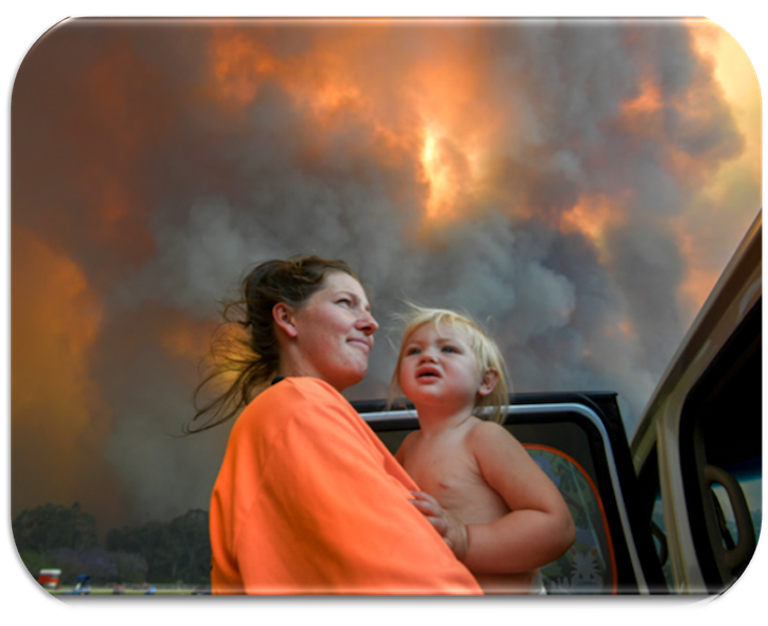
The greatest threat to children’s health in the future is environmental change, including climate change. The Future Child Health project aims to quantify how current and future environmental changes affect child health.
Large numbers of children need emergency medical treatment each year for respiratory illnesses, particularly for wheezing and asthma.
An NHMRC grant exploring epigenetic factors that affect wheezing and asthma development.