
Search
Kefyalew Alene BSc, MPH, PhD Head, Geospatial and Tuberculosis 0404705064 Kefyalew.alene@thekids.org.au Honorary Research Fellow Dr Kefyalew Alene
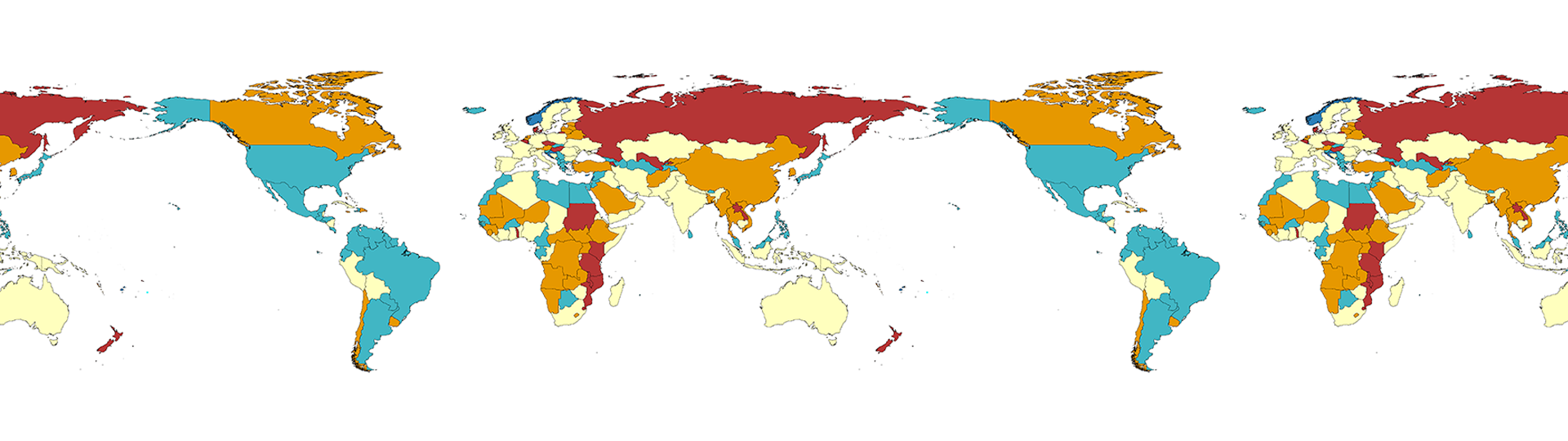
The Geospatial and Tuberculosis (GeoTB) team led by Kefyalew Alene focuses on designing an innovative approach for improving the efficiency and effectiveness of public health interventions to help control and ultimately eliminate tuberculosis in high-burden countries.
The first global review of the effectiveness of current strategies to fight tuberculosis has found preventive therapy is the most effective intervention strategy.
HIV, tuberculosis (TB) and malaria are the three most important infectious diseases in Ethiopia, and sub-Saharan Africa. Understanding the spatial codistribution of these diseases is critical for designing geographically targeted and integrated disease control programmes. This study investigated the spatial overlap and drivers of HIV, TB and malaria prevalence in Ethiopia.
Infectious diseases such as tuberculosis (TB), malaria and soil-transmitted helminthiasis continue to impose a significant global health burden and socio-economic impact. Globally, minority indigenous people are disproportionately affected by poverty and are shown to experience a disparate burden of disease and poorer health outcomes than the comparative majority population.
Tuberculosis (TB) is the leading cause of death from a bacterial pathogen worldwide. China has the third highest TB burden in the world, with a high reported burden in Hunan Province (amongst others). This study aimed to investigate the spatial distribution of TB and identify socioeconomic, demographic, and environmental drivers in Hunan Province, China. Numbers of reported cases of TB were obtained from the Tuberculosis Control Institute of Hunan Province, China.
Contact investigations with drug-susceptible tuberculosis (DS-TB) patients have demonstrated a high prevalence of tuberculosis infection (TBI). However, the prevalence of TBI among individuals in close contact with drug-resistant tuberculosis (DR-TB) patients is poorly understood. This systematic review and meta-analysis aimed to determine the prevalence of TBI among household and non-household contacts of DR-TB patients.
o map subnational and local prevalence of drug-resistant tuberculosis (DR-TB) across Africa. We assembled a geolocated dataset from 173 sources across 31 African countries, comprising drug susceptibility test results and covariate data from publicly available databases. We used Bayesian model-based geostatistical framework with multivariate Bayesian logistic regression model to estimate DR-TB prevalence at lower administrative levels.
Health system and environmental factors play a significant role in achieving the World Health Organization End Tuberculosis (TB) targets. However, quantitative measures are scarce or non-existent at a global level. We aimed to measure the progress made towards meeting the global End TB milestones from 2015 to 2020 and identify health system and environmental factors contributing to the success.
Physical sequelae related to multi-drug resistant tuberculosis (MDR-TB) and extensively drug-resistant tuberculosis (XDR-TB) are emerging and under-recognised global challenges. This systematic review and meta-analysis aimed to quantify the prevalence and the types of long-term physical sequelae associated with patients treated for MDR- and XDR-TB.