
Search
In Australia, substance use disorders disproportionately affect people living in rural and remote areas. Patients with substance use disorders who receive palliative care have complex, often unmet, end-of-life needs. There is scarce evidence on the management of patients with substance use disorders in palliative care, and there is no consensus on the model of care to assist general practitioners manage their patients. This is particularly salient for general practitioners in rural areas, who provide most of the palliative care to their patients.
Transgender and gender diverse (“trans”) people are more likely to experience adverse mental health outcomes due to the social adversities that are commonly experienced. One ameliorating factor for poor mental health outcomes can be connection to community, often facilitated in online spaces such as TikTok.
There are conflicting suggestions concerning the developmental trend of trust beliefs during middle childhood. Across three studies, the current research developed a brief measure of child general trust beliefs, as well as child measures of trust in peers and online, and examined age-related differences in these beliefs.
Defining rurality matters in healthcare. Evidence supports the singularity of the rural experience and its detrimental impact on health outcomes and, specifically, on mental health. Yet, no internationally accepted definition of 'rural' exists.
Lesbian, Gay, Bisexual, Transgender, Intersex, Queer, Asexual/Aromantic (LGBTIQA+) people and other individuals with diverse sexual orientation, sex and/or gender identity experience intimate partner violence (IPV) at higher rates than non-LGBTIQA+ people but often receive inconsistent culturally competent healthcare, which deters help-seeking.
The capacity for children to self-regulate is an important developmental task of early childhood, with caregivers playing an integral role in self-regulation development. While caregivers' emotions and behaviors are known to impact child self-regulatory capacity, the impact of child self-regulation difficulties on parents is less understood.
Physical constraints of small apartment kitchens and the influence of the surrounding community food environment may impact food practices of apartment residents. Social media portrayal of these features may influence public perception of apartment living.
Children and young people with type 1 diabetes (T1D) experience high rates of mental ill health and stress due to the emotional and cognitive energy required to manage their condition. Our team has codesigned Wellbeing T1D, a brief trauma-informed online intervention for adolescents living with T1D. This 5-week intervention will teach skills to promote problem solving, improve emotional regulation and promote helpful thinking and coping.
This study investigated the effects of Mindful Self-Compassion (MSC) training on the mental health of gender and sexually diverse young adults (aged 18–25 years) in Australia. A single-blind randomized controlled trial was conducted in 2020–2022 comparing an online-delivered 8-week group MSC training program with a waitlist control.
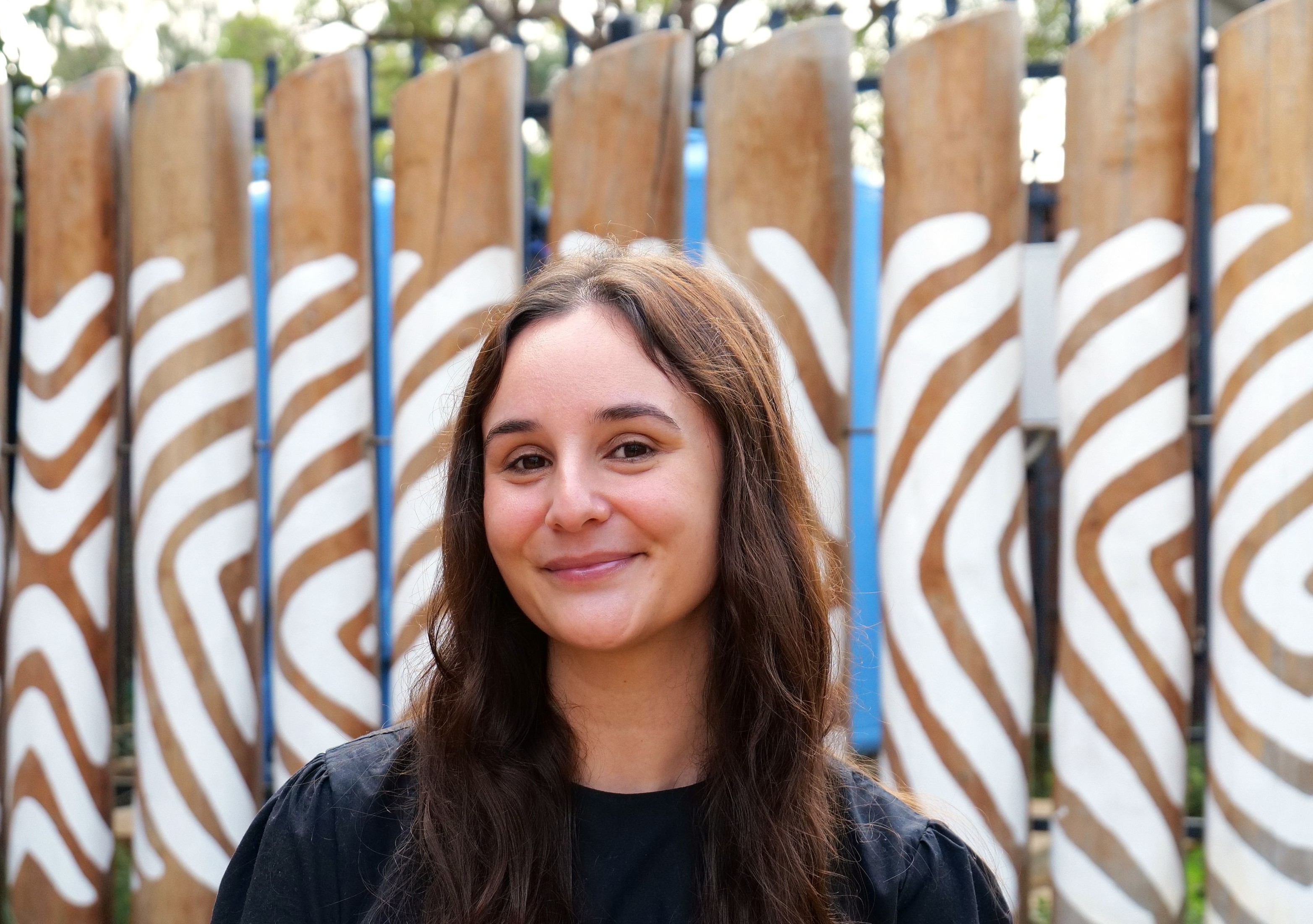
Senior Research Officer Tanika Sgherza is on the Healing Kids, Healing Families team.