
Search
Globally, Indigenous people, including Aboriginal and Torres Strait Islander people in Australia, experience significantly poorer health outcomes than their non-Indigenous counterparts. In part, this can be attributed to the ongoing impacts of colonization, marginalization, and systemic discrimination. In the genomic healthcare era, Indigenous people remain underrepresented in public genetic health services, raising concerns about cultural competency and inclusivity within the genetic counseling profession.
This study examines the enablers and barriers to accessing primary health care services from the perspective of Aboriginal and Torres Strait Islander people aged 15-24 years in urban southeast Queensland.
Although essential for overall health and wellbeing, little is known about skin health in urban-living Australian Aboriginal children. This co-designed, research-service project aimed to describe skin health and document skin disease frequency in urban-living Aboriginal children and young people in Western Australia and investigate housing associations for skin infections.
Extreme heat exposure is a major global public health threat that is affecting people across the life course, including the pregnancy period. Studies have linked extreme heat with adverse pregnancy and newborn health outcomes globally.
Remote Aboriginal communities in Australia are located on traditional lands holding deep cultural significance and meaning for residents. However, systemic inequity rooted in colonisation has driven persistent housing and health disparities, with inadequate environmental health conditions within homes and communities a prominent example.
The prevalence of impetigo and pharyngitis - which are both superficial group A streptococcus (GAS) infections that precede acute rheumatic fever - is poorly defined. Guidelines recommend the early diagnosis of both infections to prevent ARF; however, screening to enable the concurrent detection of these infections in high-risk populations has rarely been performed.
Aboriginal children and families contend with higher rates of preventable infectious diseases that can be attributed to their immediate living environment. The environments in which children spend most of their time are their homes and schools. We aimed to understand the opportunities in the school setting to support student skin health and wellbeing through environmental health activities, how these activities were completed, and the barriers to their implementation.
The early years are critical for lifelong wellbeing, with transition to formal school a key period for development. For Indigenous children, this transition provides opportunities to build on cultural strengths and belonging. However, many children face systemic barriers that impact their transition experiences, highlighting a need for culturally safe programs that support Indigenous families during this significant time.
We aimed to synthesise global prevalence estimates of type 2 diabetes among Indigenous youth aged under 25 years, and examine age- and gender-specific differences and secular trends.
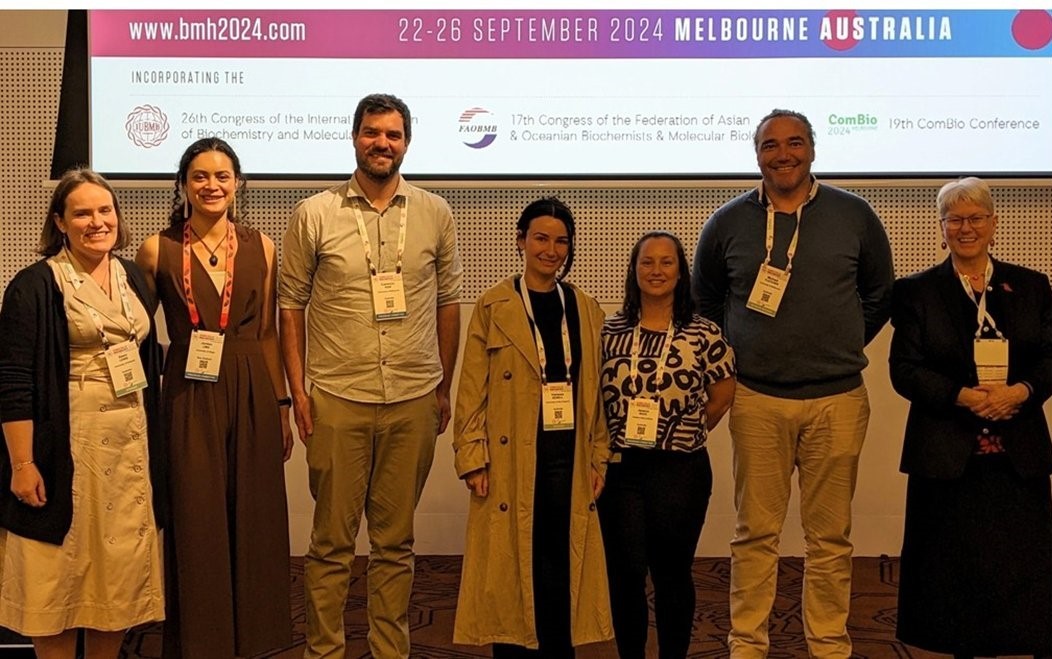
Dr Jessica Buck, a researcher at The Kids Research Institute Australia Cancer Centre and a Kamilaroi woman, is on a mission to address the unique challenges faced by Aboriginal and Torres Strait Islander children with cancer.