
Search
Showing results for "early life"
Consumer Representative Lauren Hope-Blyth
Early neurological deterioration (END) within 72 h of stroke onset is associated with poor prognosis. Optimizing hydration might reduce the risk of END.
Co-design of a program supporting paternal involvement in preterm care.
There is growing interest in how and why individuals adjust their goals in response to difficulties encountered during goal striving and the outcomes of such adjustments; however, research on these topics is fragmented across theoretical perspectives and life domains.
Childhood cancer survivors (CCS) are at risk of long-term skeletal muscle deficits following intensive therapies during critical periods of growth. This review aimed to synthesize approaches for assessing muscle quantity, quality, and function in CCS and to quantify deficits relative to healthy peers.
There is growing evidence to support partial oral antibiotic treatment of severe infections such as Staphylococcus aureus bacteremia, but clinical practice is slow to adopt this paradigm. We know little about how patients with severe infection experience and perceive intravenous and oral antibiotics in terms of quality of life and clinical effectiveness. We performed a qualitative study to elicit patients' views on treatment with intravenous and oral antibiotics, aiming to provide insights that could inform collaborative treatment decision-making.
Event-free survival considers other adverse events in addition to mortality. It therefore provides a more complete understanding of the effectiveness and consequences of treatment than standard survival measures, but is rarely reported at the population level for childhood cancer.
The Kids Research Institute Australia researcher Hayley Passmore will use a prestigious Churchill Fellowship to investigate better ways to support young people in detention who are affected by neurodisability.

ORIGINS sub-projects investigating the impact of the physical environment and lifestyle on health, development and chronic conditions.
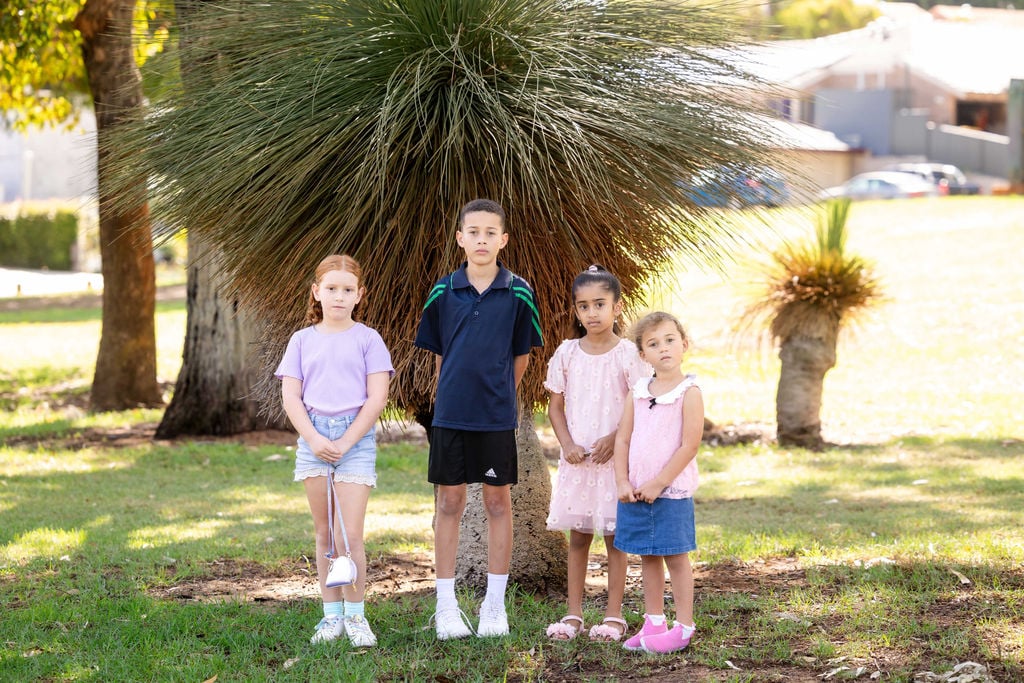
This sub-project aims to fill the gap in knowledge of the effects of climate change on child health and wellbeing in Australia, and to propose data-driven adaptation trials to counter the most serious impacts.