
Search
Showing results for "early life"
There is growing evidence to support partial oral antibiotic treatment of severe infections such as Staphylococcus aureus bacteremia, but clinical practice is slow to adopt this paradigm. We know little about how patients with severe infection experience and perceive intravenous and oral antibiotics in terms of quality of life and clinical effectiveness. We performed a qualitative study to elicit patients' views on treatment with intravenous and oral antibiotics, aiming to provide insights that could inform collaborative treatment decision-making.
Event-free survival considers other adverse events in addition to mortality. It therefore provides a more complete understanding of the effectiveness and consequences of treatment than standard survival measures, but is rarely reported at the population level for childhood cancer.
Siblings of children with cancer have been shown to experience disruption in multiple domains including family, school, and friendships. Existing literature on siblings' experiences focuses on older children or on a broad range of ages.
In early 2021, The Kids Research Institute Australia researcher Dr Amy Finlay-Jones led a global team in trying to answer that question to help better prioritise mental health spending.
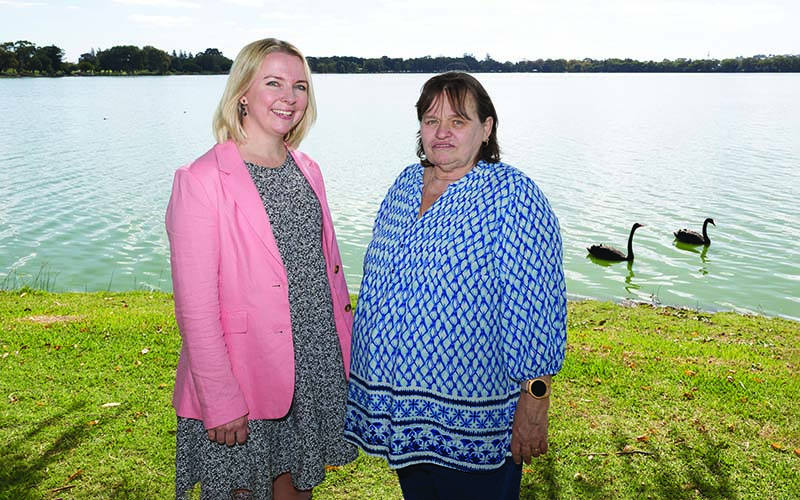
In Aboriginal culture, water is life, holding powerful spiritual and cultural significance and acting as a vital source of connection, food and medicine.
Young children who have developmental delay, autism, or other neurodevelopmental conditions can have difficulties doing things in different areas of their life. What they can and cannot do is called their level of functioning. There are lots of assessment measures that aim to assess functioning.
COVID-19 has had far-reaching impacts including changes in work, travel, social structures, education, and healthcare. This study aimed to explore the experiences of parents of children receiving treatment for cancer during the COVID-19 pandemic.
Large-scale molecular profiling studies in recent years have shown that central nervous system (CNS) tumors display a much greater heterogeneity in terms of molecularly distinct entities, cellular origins and genetic drivers than anticipated from histological assessment.
Multimodal analgesia is employed in paediatric pain management to maximise analgesia and minimise side effects. Tramadol is dosed at 1–1.5 mg/kg to treat severe pain in children but the assay for tramadol in plasma samples for pharmacokinetic and toxicology studies does not often consider concurrently administered medications.
The purpose of this paper is to highlight a perspective for decolonizing research with Australian First Nations and provide a framework for successful and sustained knowledge translation by drawing on the recent work conducted by a research group, in five remote communities in North-Western Australia.