
Search
Showing results for "early life"

An early childhood researcher based at The Kids Research Institute Australia’s Adelaide office has been honoured at South Australia’s Science Excellence and Innovation Awards for her work revealing the link between screen time exposure and toddlers’ language development.

Minderoo Foundation and The Kids Research Institute Australia are proud to partner with the Western Australian Government on an unprecedented $49.3 million commitment to

National Playgroup Week, the annual event run by Playgroup Australia, will take place across the country from 20 March to 27 March.
The transition from school to adulthood for young adults with an intellectual disability involves movement from a generally secure and supported school...
This research aims to co-design the components of a practical and equitable public health approach to promoting mental health in toddlers and young children in Western Australia (WA).
The structure and function of infant skin is not fully developed until 34 weeks of gestation, and this immaturity is associated with risk of late-onset sepsis (LOS). Topical coconut oil improves preterm-infant skin integrity and may reduce LOS. However, data on early-life skin-microbiome succession and potential effects of emollient skin care in preterm infants are scarce.
Preterm birth and subsequent neonatal ventilatory treatment disrupts development of the hypoxic ventilatory response (HVR). An attenuated HVR has been identified in preterm neonates, however it is unknown whether the attenuation persists into the second year of life.
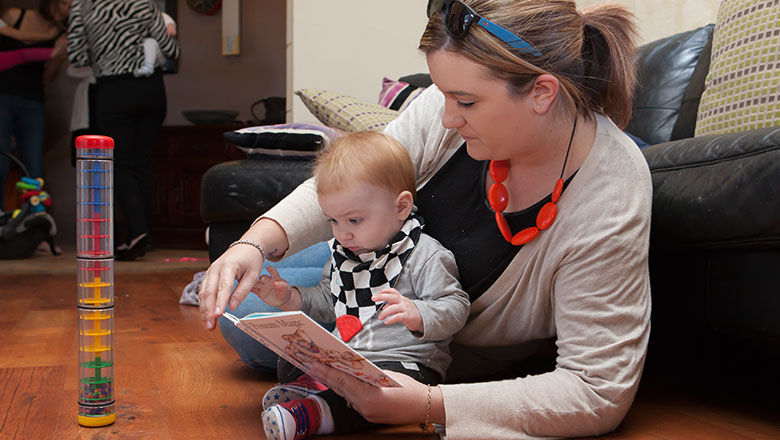
The Kids Research Institute Australia's Australian Early Development Census has become the world's first proven and reliable measure of early childhood development.
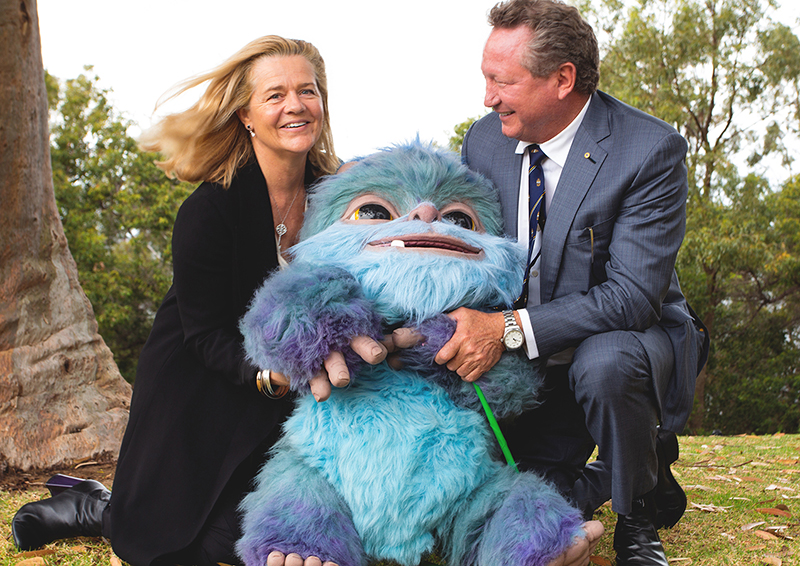
A national campaign launched on Channel 7’s Telethon aims to build community understanding of the amazing untapped potential of a baby’s developing brain, through a remarkable animated creature.
Rett syndrome (RTT) is a rare neurodevelopmental disorder mainly affecting females and is caused by a mutation in the MECP2 gene. Recent research identified the domains of quality of life (QOL) important for children with RTT but there has been no investigation of domains important for adults. This qualitative study explored QOL in adults with RTT and compared domains with those previously identified for children.