
Search
Showing results for " https://www.galaxus.ch/en/sector/showdiscussion/cvv-shop-visit-amsigacom-kzr0okq5-221497"
Controlling the syphilis epidemic in Australia is a public health priority. Regular intramuscular (IM) injections of benzathine penicillin G (BPG) are the current standard of care for late latent syphilis in Australia; however, repeated IM BPG injections are painful, and treatment completion rates are low. Early-phase clinical trials have demonstrated the tolerability and safety of high-dose subcutaneous infusions of BPG (SCIP), where the total treatment dose can be delivered at a single visit. Here we describe the experiences and preferences of attendees of Western Australian sexual health clinics in the Perth metropolitan region who have syphilis and were treated with SCIP.
Transmissible vaccines have the potential to revolutionize how zoonotic pathogens are controlled within wildlife reservoirs. A key challenge that must be overcome is identifying viral vectors that can rapidly spread immunity through a reservoir population.
Relapse and acquired drug resistance in T-cell acute lymphoblastic leukemia (T-ALL) remains a significant clinical problem.
The epidemiology of invasive meningococcal disease has changed over the last decade and there has been an increase in cases caused by serogroup W135, particularly in Indigenous children. Extra‐meningeal and atypical presentations are associated with serogroup W and may delay diagnosis and therefore appropriate treatment. Public and clinician awareness are essential in facilitating effective new vaccine schedule implementation.
Vancomycin is first-line treatment for methicillin-resistant Staphylococcus aureus infections. However, despite guideline recommendations, there is no evidence that targeting vancomycin trough concentrations of ≥15 mg/L in children confers clinical benefit and is associated with vancomycin-associated nephrotoxicity.
The Australian and New Zealand Paediatric Infectious Diseases (ANZPID) Group of the Australasian Society for Infectious Diseases (ASID) calls for urgent consideration of the needs and voices of children in response to the COVID-19 pandemic, and in planning for future pandemics.
Staphylococcus aureus bacteraemia (SAB) is the most common cause of sepsis, contributing to paediatric intensive care unit admission in Australia and New Zealand. While deep venous thrombosis (DVT) has been reported in children with invasive S. aureus infections, the actual frequency and possible effects of thrombosis on disease severity and outcome in paediatric SAB remain unknown. Moreover, guidance regarding imaging for paediatric SAB management are poorly defined.
AMR is a rapidly growing challenge and has been identified as one of the World Health Organizations top 10 global health threats, with the potential to undo many of the health gains observed over the last century.
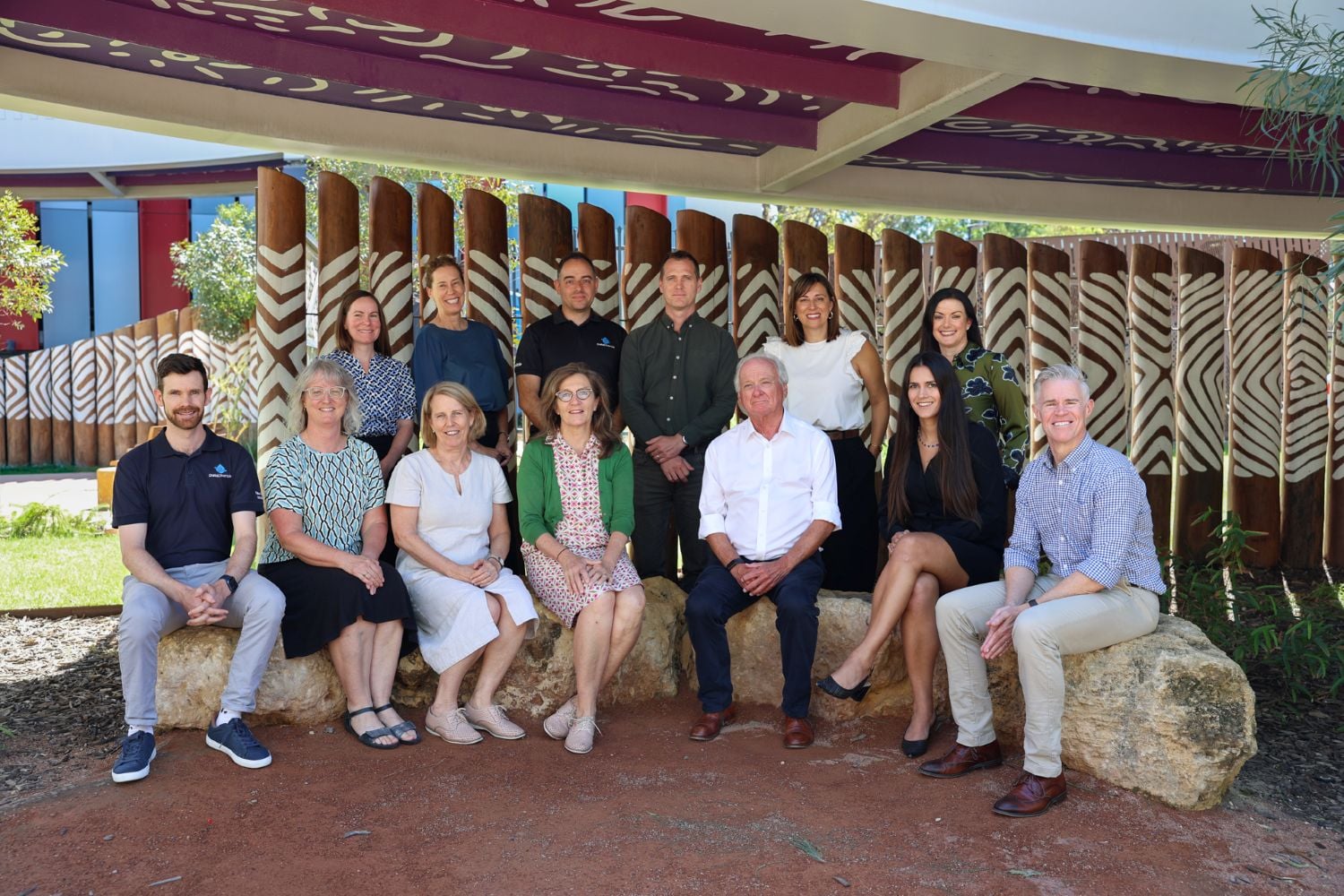
First-of-its-kind digital platform transforming diabetes care set to expand its capability
In the disability sector globally, and specifically in Australia, assessments of functioning have become key to diagnostic processes, and accessing therapy and funding. Over half of all individuals accessing support through Australia's National Disability Insurance Scheme have a neurodevelopmental condition diagnosis.