
Search
Respiratory syncytial virus is the second most common cause of infant mortality and a major cause of morbidity and mortality in older adults (aged >60 years). Efforts to develop a respiratory syncytial virus vaccine or immunoprophylaxis remain highly active.
There are well-described sex-based differences in how the immune system operates. In particular, cisgender (cis) females have a more easily activated immune system; associated with an increased prevalence of autoimmune diseases and adverse events following vaccinations. Conversely, cis males have a higher threshold for immune activation, and are more prone to certain infectious diseases, such as coronavirus disease (COVID-19).
Culturally and Linguistically Diverse (CALD) groups within high-income countries are at risk of being left behind by the COVID-19 vaccination rollout. They face both access and attitudinal barriers, including low trust in government and health authorities.
Children with chronic medical conditions are at higher risk of invasive pneumococcal disease (IPD), but little is known about the effectiveness of the primary course of pneumococcal conjugate vaccine (PCV) in these children.
Streptococcus pyogenes (Group A Streptococcus, Strep A) is a Gram-positive bacterium and one of the most significant global bacterial pathogens, with disproportionate disease burden affecting low and middle-income countries. Despite substantial mortality and immune sequelae caused by Strep A, no licensed vaccines exist, and correlates of protection remain unestablished.
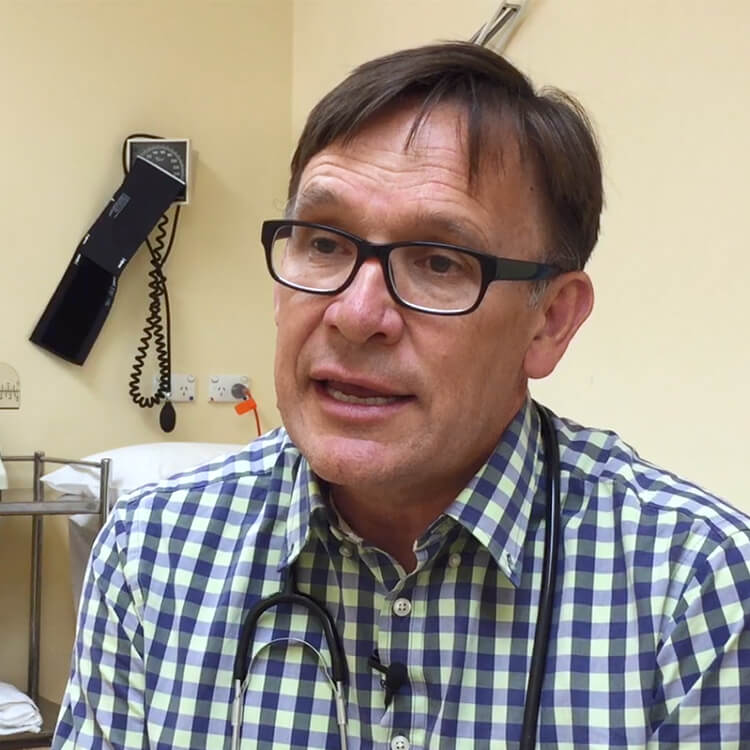
A new study has confirmed the changing pattern of meningococcal disease in Western Australia.
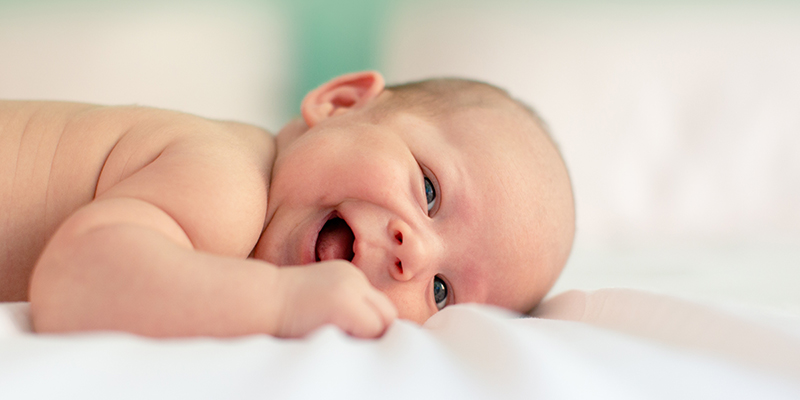
An international team of researchers has pioneered a technique which gives unprecedented insight into the dramatic changes occurring in a baby’s body in the first week of life.
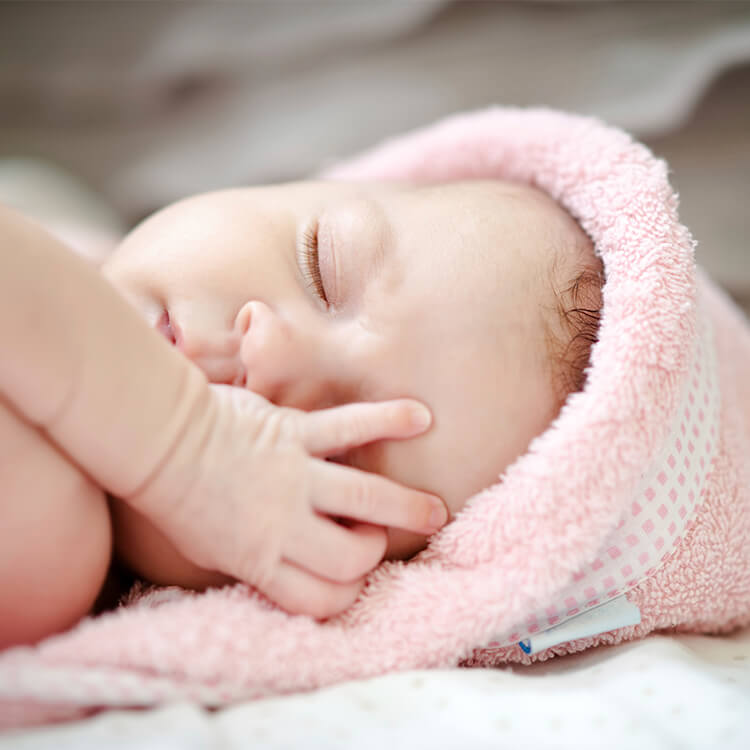
As many as a quarter of Australian babies aren’t getting vaccinated on time, leaving them at risk of developing life-threatening illnesses such as whooping cough when they are most vulnerable.
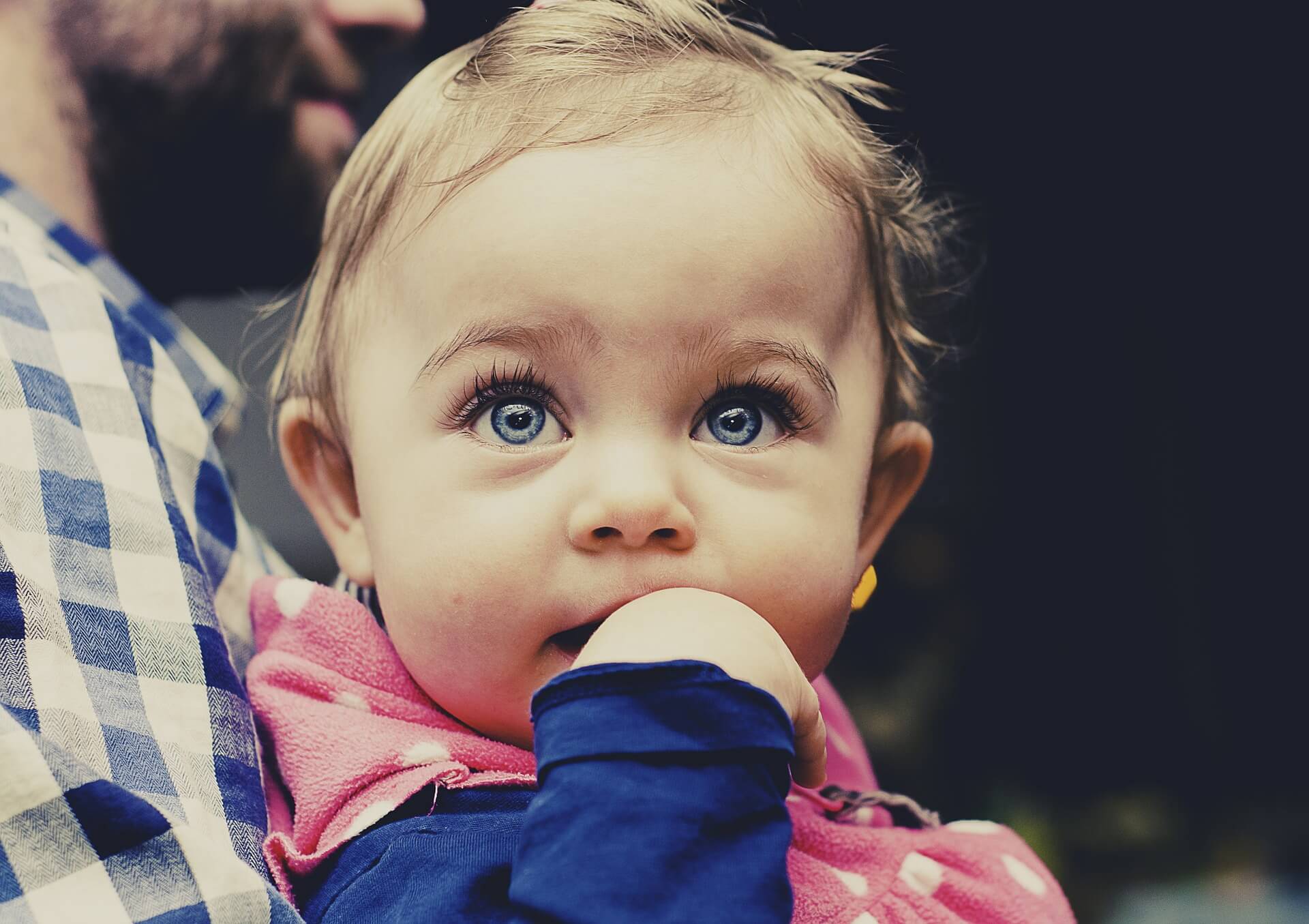
New research investigating the devastating impact of the 2017 flu season by PAEDS-FluCAN, a national collaboration observing influenza in children, confirmed it was time to take action after thousands of children were hospitalised with the virus last year.

The eradication of rubella in Australia is evidence of the vital role vaccinations play in protecting our health, researchers at The Kids Research Institute Australia say.