
Search
Showing results for "early life"
Each year, approximately 1000 children in Australia and New Zealand, aged 0–14 years, are diagnosed with cancer. Despite paediatric cancer accounting for less than 1% of all cancer cases, the impact on their families and communities is profound and disproportionate.
Approximately 770 children are diagnosed with cancer in Australia every year. Research has explored their experiences and developed recommendations for improving support provided to families. These have included the provision of psychology services, improved communication between healthcare professionals and parents, and increased information for families.
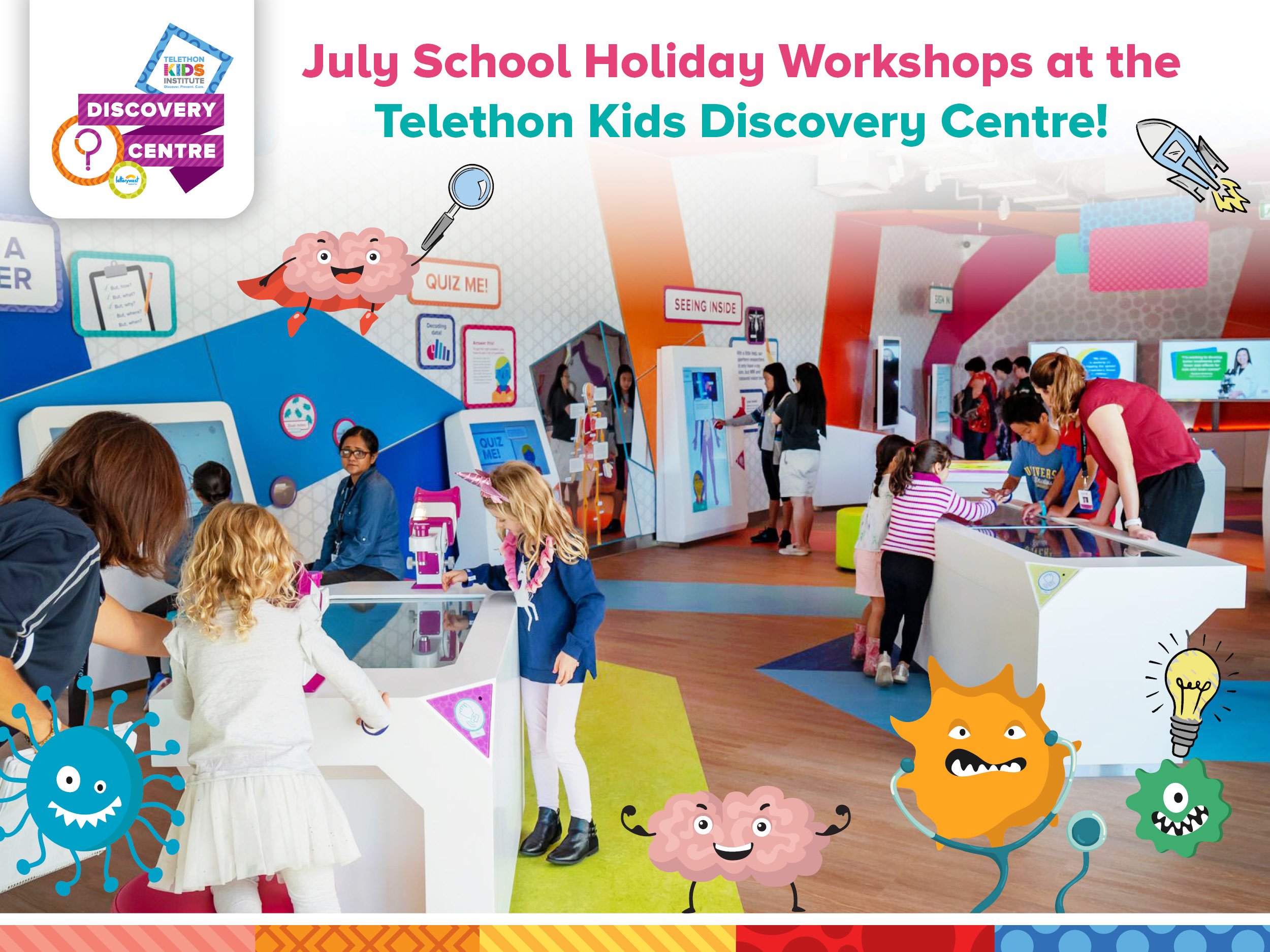
The July school holidays are just around the corner and with it comes another exciting program of school holiday workshops for kids!
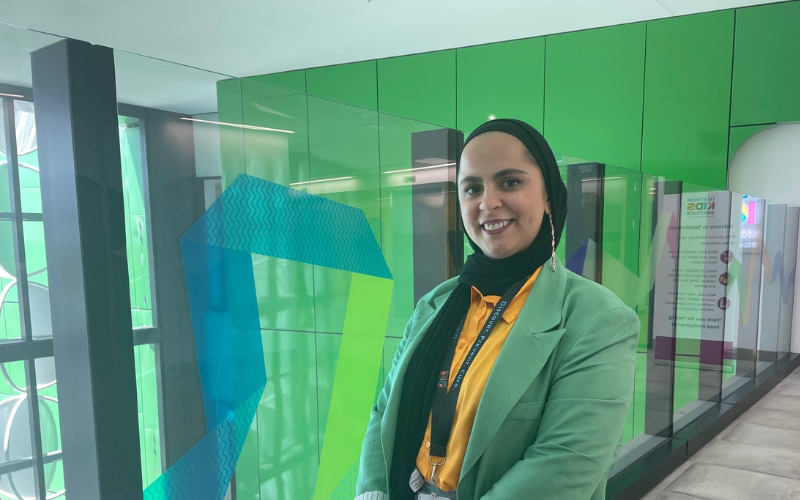
The Wal-yan Respiratory Research Centre this month welcomed new PhD scholarship awardee Yaqin Alziyadat, whose exciting research work will support the Centre’s vision to ensure all children have healthy lungs for life.
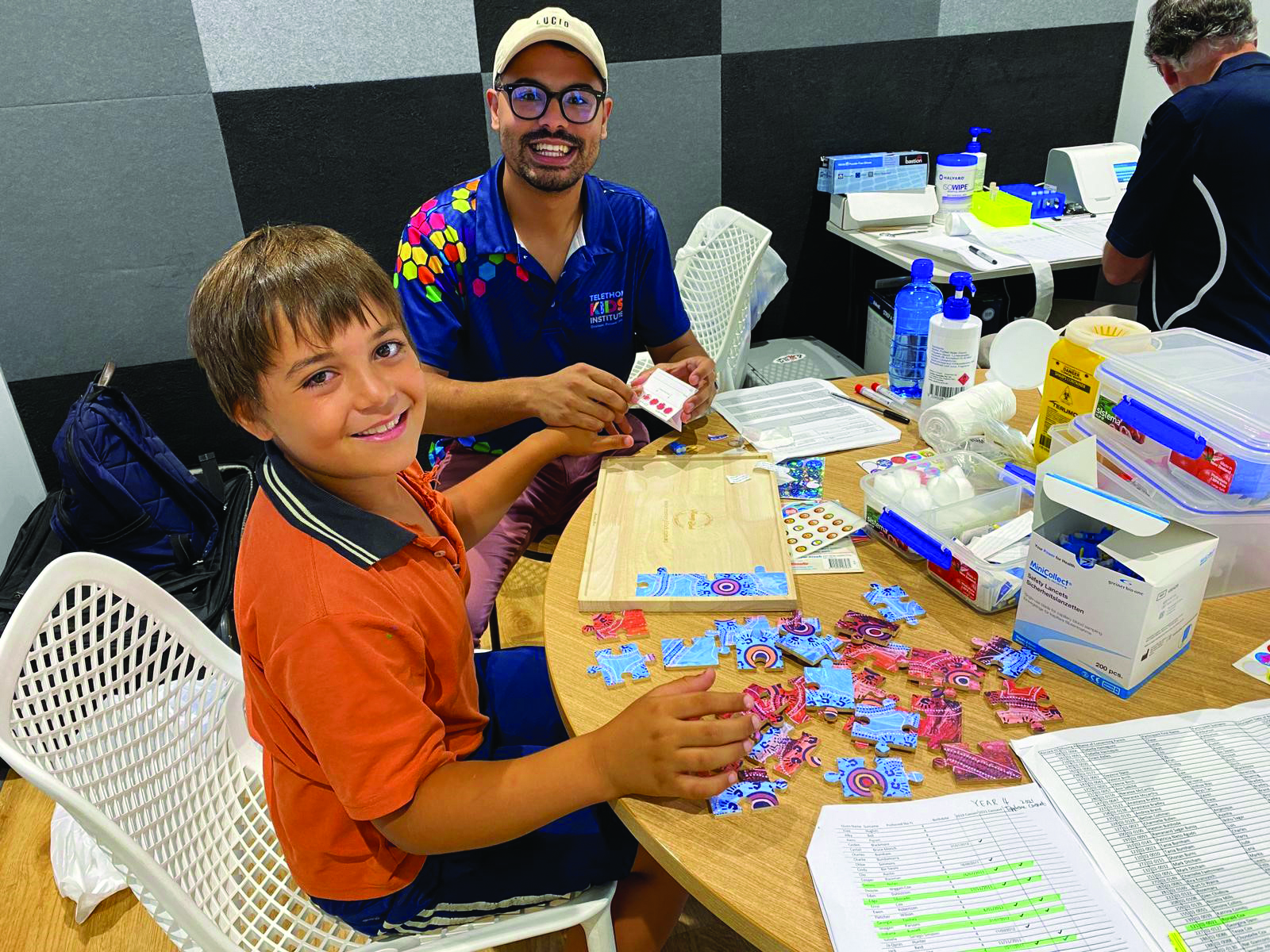
Thanks to research, a six -second test can get the answers that could save a child’s life.

Study found children aged 2–5 years from dog-owning households had increased pro-social behaviours like sharing and cooperating, when compared to children without a dog.
The main mission of the Australian and New Zealand Children's Haematology and Oncology Group is to develop and facilitate local access to the world's leading evidence-based clinical trials for all paediatric cancers, including brain tumours, as soon as practically possible.
Nick Gottardo MBChB FRACP PhD Head of Paediatric and Adolescent Oncology and Haematology, Perth Children’s Hospital; Co-head, Brain Tumour Research
A child's cancer diagnosis has a significant impact on the lives of grandparents. Grandparents experience the stress of worrying about both their adult children and their grandchildren. Our study aimed to explore the lived experience of grandparents of children diagnosed with cancer.
Advancements in genomic profiling led to the discovery of four major molecular subgroups in medulloblastoma (MB), which have now been incorporated into the World Health Organization classification of central nervous system tumors. The current study aimed to determine the prognostic significance of the MB molecular subgroups among children in Malaysia.