
Search
Showing results for "early life"
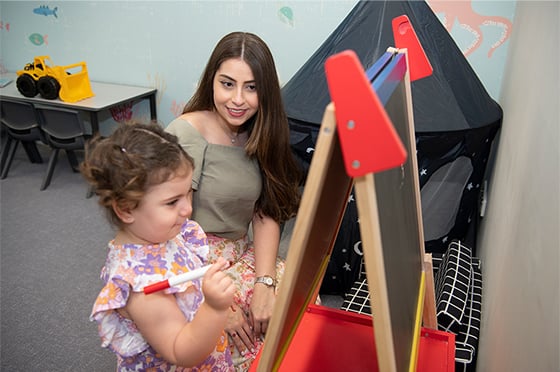
Senior Speech Pathologist Marisa Di Lorenzo looks at social communication and language outcomes for bilingual autistic children.
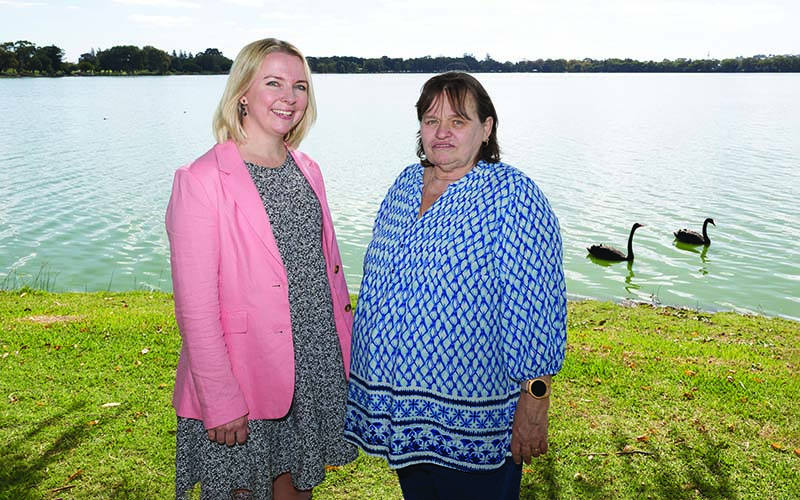
In Aboriginal culture, water is life, holding powerful spiritual and cultural significance and acting as a vital source of connection, food and medicine.
The Model of Care supports the health of women and their babies with cardiometabolic complications of pregnancy and aids in the prevention and management of cardiometabolic disease in the short and long-term. It was co-designed by Aboriginal women with lived experiences of cardiometabolic complications in pregnancy.
Desiree Silva MBBS, FRACP, MPH, PhD Co-Director, ORIGINS desiree.silva@thekids.org.au Co-Head, The ORIGINS Project Professor Desiree Silva is
This population-based study investigated the association of BMI and other predictors with gestational diabetes mellitus among Australian Aboriginal and non-Aboriginal mothers. We conducted a state-wide retrospective cohort study that included all singleton births in Western Australia between 2012 and 2015 using population health datasets linked by the Western Australian Data Linkage Branch.
BRAF genomic alterations are the most common oncogenic drivers in pediatric low-grade glioma.
Intravascular tumor extension is an uncommon complication of solid malignancies that, when present in the inferior vena cava (IVC), can result in fatal pulmonary tumor embolism. Currently, neoadjuvant chemotherapy and surgery are the mainstays of treatment; however, there are no consensus guidelines for management.
Australian Aboriginal and Torres Strait Islander women with diabetes in pregnancy (DIP) are more likely to have glycaemic levels above the target range, and their babies are thus at higher risk of excessive fetal growth. Shoulder dystocia, defined by failure of spontaneous birth of fetal shoulder after birth of the head requiring obstetric maneuvers, is an obstetric emergency that is strongly associated with DIP and fetal size.
Siblings of children with cancer have been shown to experience disruption in multiple domains including family, school, and friendships. Existing literature on siblings' experiences focuses on older children or on a broad range of ages.
Event-free survival considers other adverse events in addition to mortality. It therefore provides a more complete understanding of the effectiveness and consequences of treatment than standard survival measures, but is rarely reported at the population level for childhood cancer.