
Search
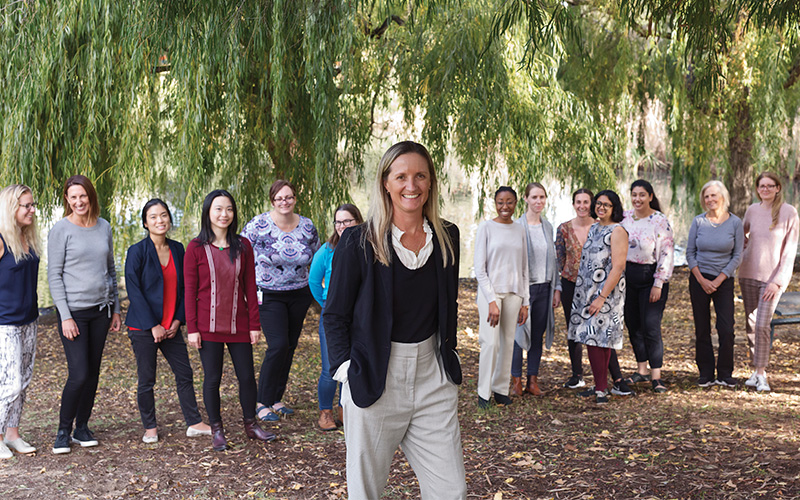
The Kids Research Institute Australia researchers are urging governments to listen more to what kids need.
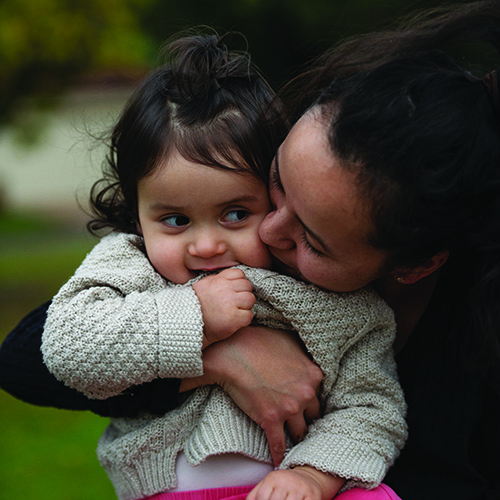
Patricia Ilchuk can still recall the day in August 2020 when her daughter Manna – then five weeks old – had her first seizure.
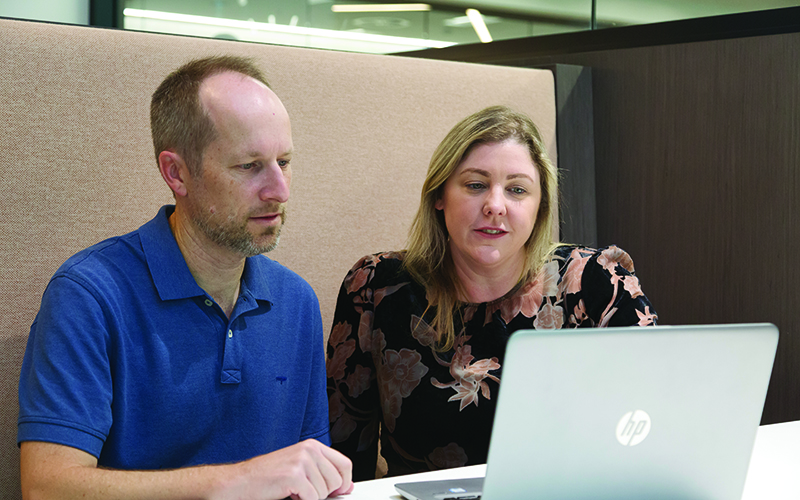
An interactive Child Development Atlas is giving policymakers, planners and services easy access to important data about the health and wellbeing of WA families.
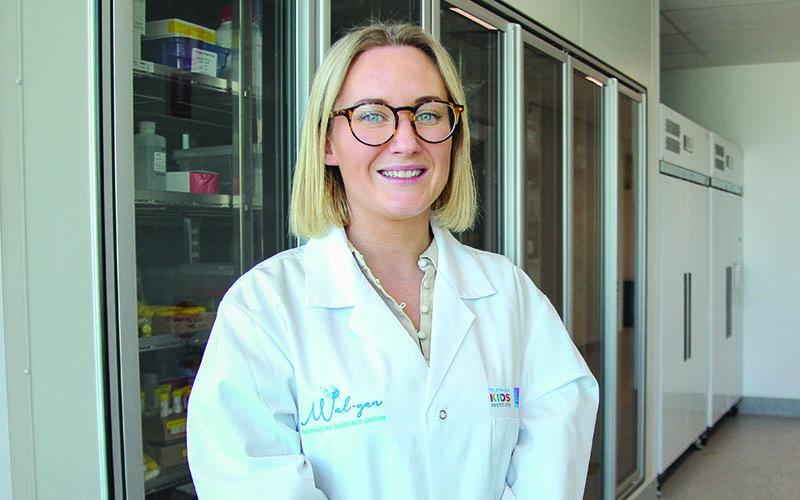
Researchers have made a world-first discovery on how to prevent severe respiratory infections in babies.
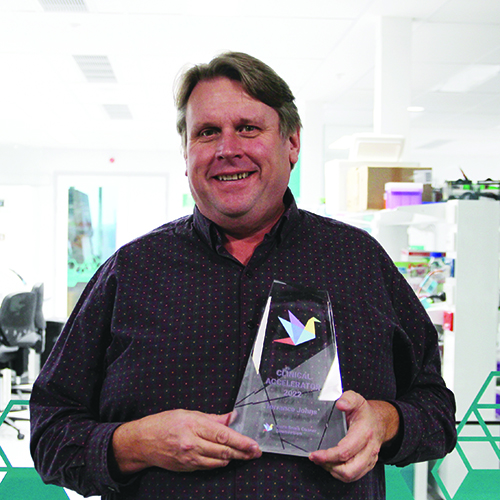
WA Kids Cancer Centre is leading the charge to find innovative new treatments that will allow doctors to ‘dial down’ the amount of toxic treatments needed to fight cancer.
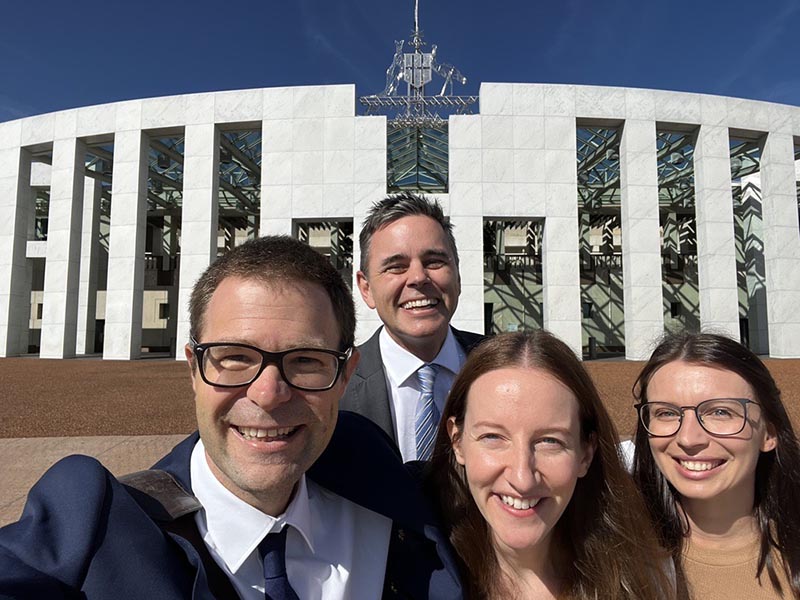
Australia’s first national guideline for supporting the learning, participation and wellbeing of autistic children and their families.
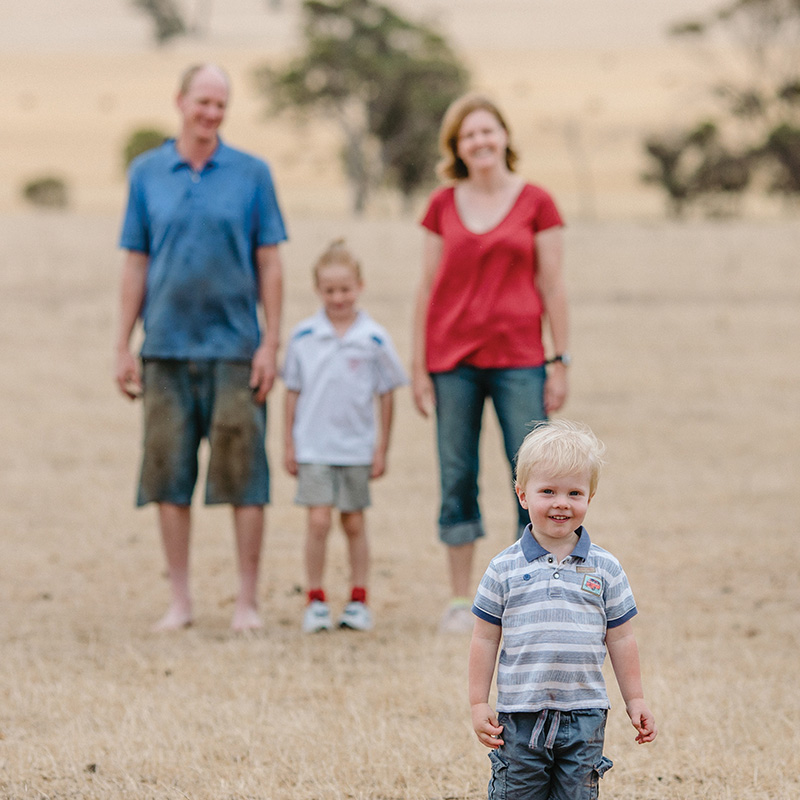
A program unfolding in four very diverse locations across Western Australia is working to give children aged 0–4 the best start in life.
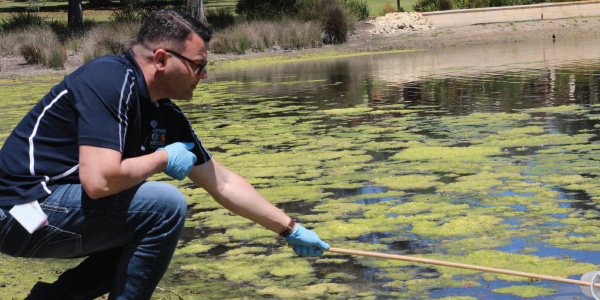
Cystic fibrosis (CF) researchers are working hard to progress phage therapy as an alternative treatment to antibiotics in people with CF who develop life-threatening lung infections.
A series of suicides among young people south of Perth in 2016 sparked a major overhaul of how support is offered to the people left behind after someone takes their own life.
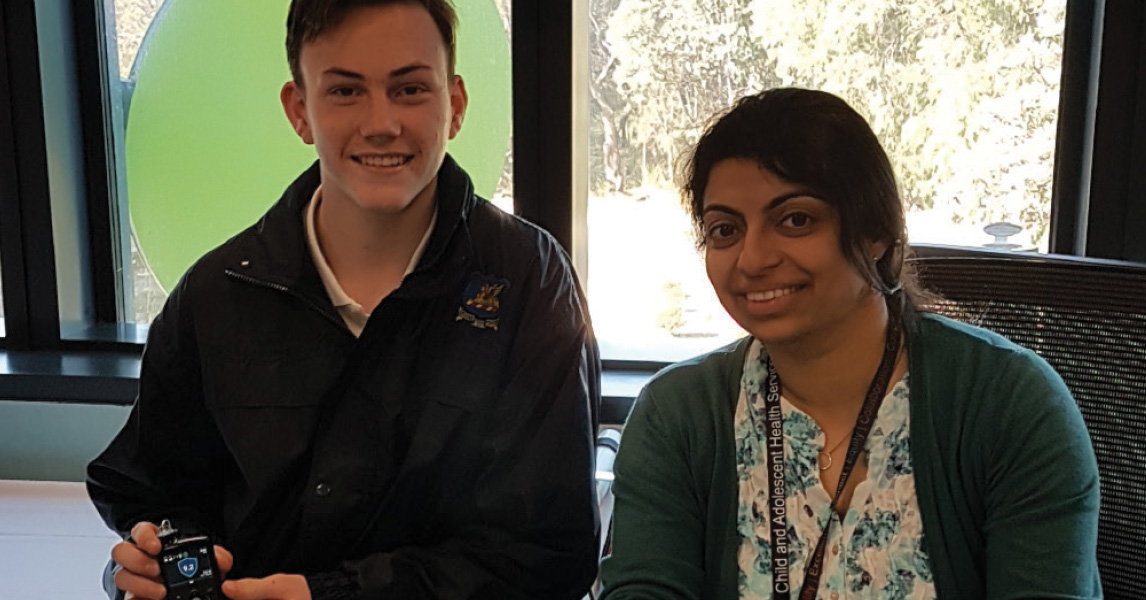
One hundred years after the discovery of insulin, technology advancements are being heralded as the dawn of a new era for managing type 1 diabetes (T1D) in young people.