
Search
Showing results for "early life"
The structure and function of infant skin is not fully developed until 34 weeks of gestation, and this immaturity is associated with risk of late-onset sepsis (LOS). Topical coconut oil improves preterm-infant skin integrity and may reduce LOS. However, data on early-life skin-microbiome succession and potential effects of emollient skin care in preterm infants are scarce.

Thanks to the generous support of West Australians, new funding from Channel 7’s Telethon Trust will help develop a much-needed clinical pathway to support families with kids who have early-stage type 1 diabetes (T1D).
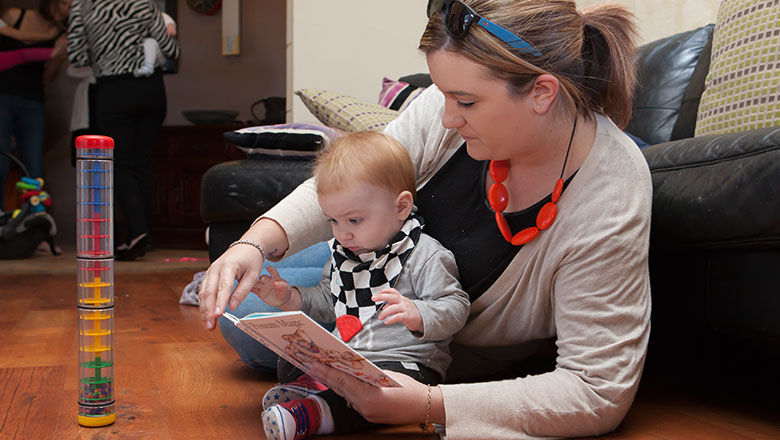
The Kids Research Institute Australia's Australian Early Development Census has become the world's first proven and reliable measure of early childhood development.
The link between respiratory and vascular health is well documented in adult populations. Impaired lung function is consistently associated with thicker arteries and higher incidence of cardiovascular disease. However, there are limited data on this relationship in young children and the studies that exist have focussed on populations at high risk of cardiorespiratory morbidity.
MECP2 mutations mainly occur in females with Rett syndrome. Mutations have been described in 11 boys with progressive encephalopathy...
Rett syndrome (RTT) is a rare neurodevelopmental disorder mainly affecting females and is caused by a mutation in the MECP2 gene. Recent research identified the domains of quality of life (QOL) important for children with RTT but there has been no investigation of domains important for adults. This qualitative study explored QOL in adults with RTT and compared domains with those previously identified for children.

A new partnership between The Kids and the Minderoo Foundation is trying to change the ways Government and communities address disadvantage and neglect.
Christopher Tobias Blyth Kollmann MBBS (Hons) DCH FRACP FRCPA PhD PhD, M.D., SFUW Centre Head, Wesfarmers Centre of Vaccines and Infectious Diseases;
Information on factors contributing to quality of life (QOL) informs meaningful patient-centred care. We evaluated factors influencing QOL in individuals with developmental and epileptic encephalopathy (DEE) and other severe neurodevelopmental encephalopathy conditions using hypothesis-free regression tree analysis.
To evaluate the psychometric properties of the Quality of Life Inventory -Disability (QI-Disability) for individuals with Dravet syndrome (DS) or Lennox-Gastaut syndrome (LGS), two rare developmental and epileptic encephalopathy conditions.