
Search
Showing results for "early life"
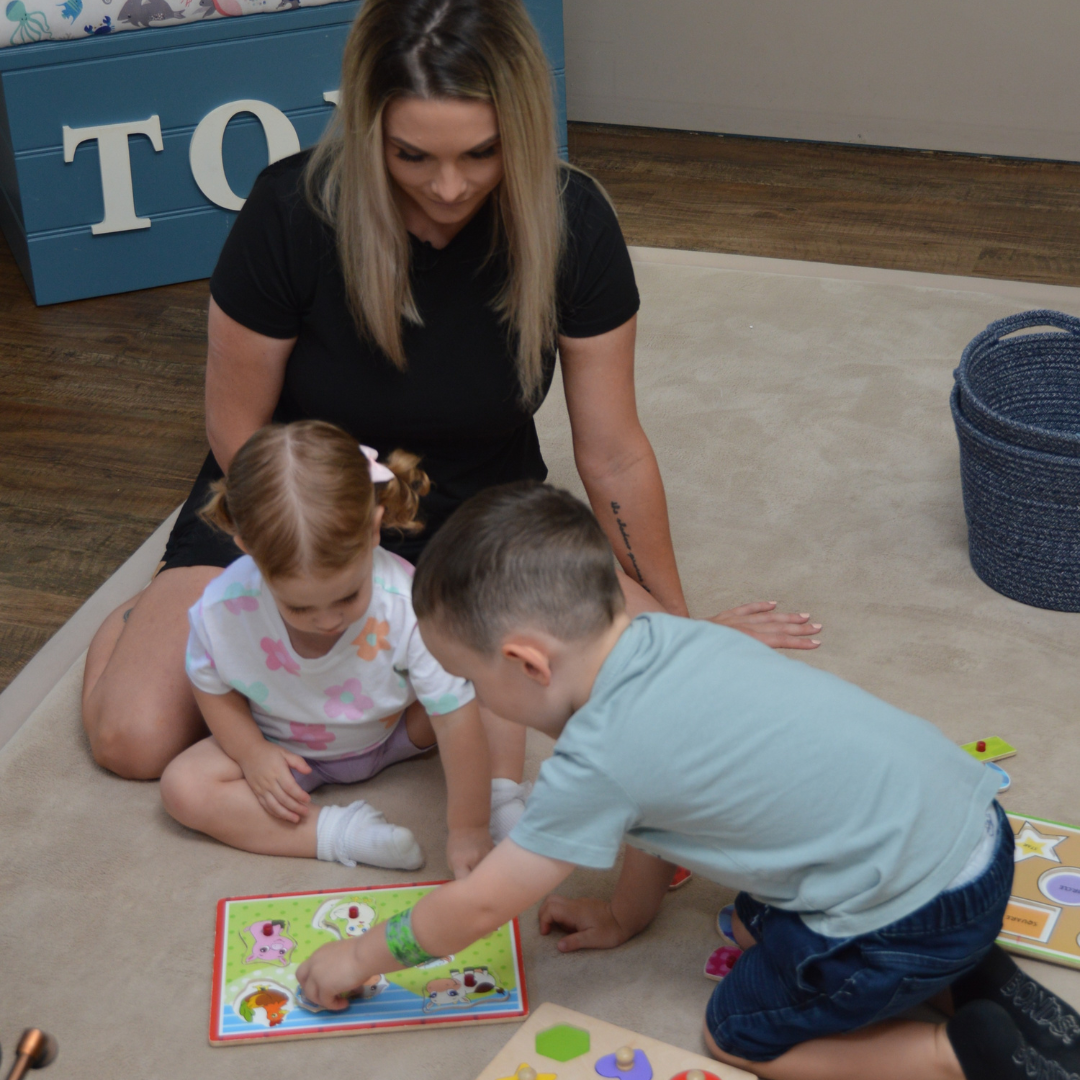
Ground-breaking WA-led study, Early Moves has hit a major milestone, with 3,000 participants successfully recruited over a four-year period.

Thanks to the generous support of West Australians, new funding from Channel 7’s Telethon Trust will help develop a much-needed clinical pathway to support families with kids who have early-stage type 1 diabetes (T1D).
Preterm birth and subsequent neonatal ventilatory treatment disrupts development of the hypoxic ventilatory response (HVR). An attenuated HVR has been identified in preterm neonates, however it is unknown whether the attenuation persists into the second year of life.
Rett syndrome (RTT) is a rare neurodevelopmental disorder mainly affecting females and is caused by a mutation in the MECP2 gene. Recent research identified the domains of quality of life (QOL) important for children with RTT but there has been no investigation of domains important for adults. This qualitative study explored QOL in adults with RTT and compared domains with those previously identified for children.
MECP2 mutations mainly occur in females with Rett syndrome. Mutations have been described in 11 boys with progressive encephalopathy...
The link between respiratory and vascular health is well documented in adult populations. Impaired lung function is consistently associated with thicker arteries and higher incidence of cardiovascular disease. However, there are limited data on this relationship in young children and the studies that exist have focussed on populations at high risk of cardiorespiratory morbidity.
The current diagnostic pathways for cognitive impairment rarely identify babies at risk before 2 years of age. Very early detection and timely targeted intervention has potential to improve outcomes for these children and support them to reach their full life potential. Early Moves aims to identify early biomarkers, including general movements (GMs), for babies at risk of cognitive impairment, allowing early intervention within critical developmental windows to enable these children to have the best possible start to life.

A new partnership between The Kids and the Minderoo Foundation is trying to change the ways Government and communities address disadvantage and neglect.
To evaluate the psychometric properties of the Quality of Life Inventory -Disability (QI-Disability) for individuals with Dravet syndrome (DS) or Lennox-Gastaut syndrome (LGS), two rare developmental and epileptic encephalopathy conditions.
Information on factors contributing to quality of life (QOL) informs meaningful patient-centred care. We evaluated factors influencing QOL in individuals with developmental and epileptic encephalopathy (DEE) and other severe neurodevelopmental encephalopathy conditions using hypothesis-free regression tree analysis.