
Search
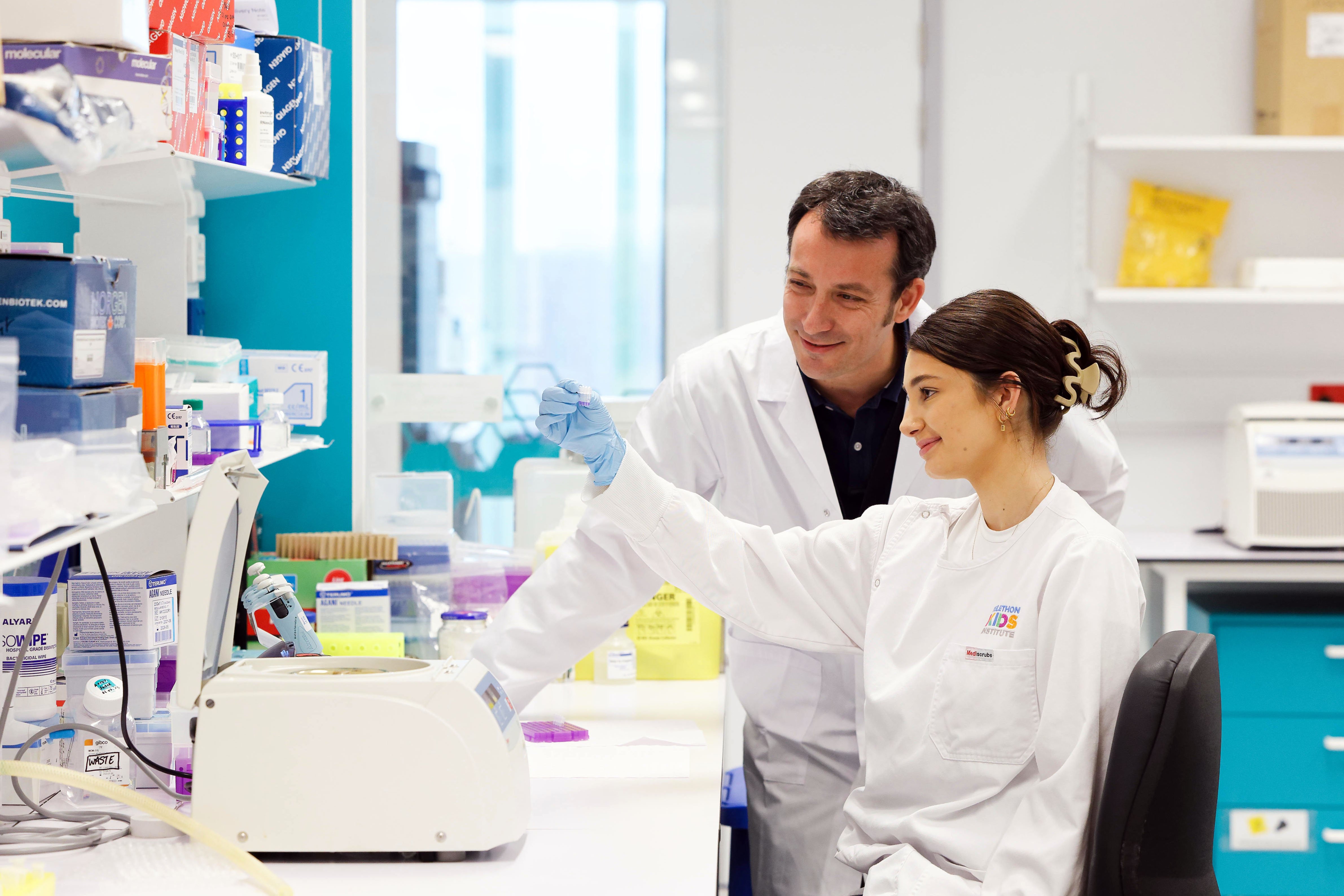
Join us as WA’s cancer research community comes together at the inaugural West Coast Cancer Meeting.
Diagnostic irradiation of the mother during pregnancy increases the risk of childhood acute lymphoblastic leukemia
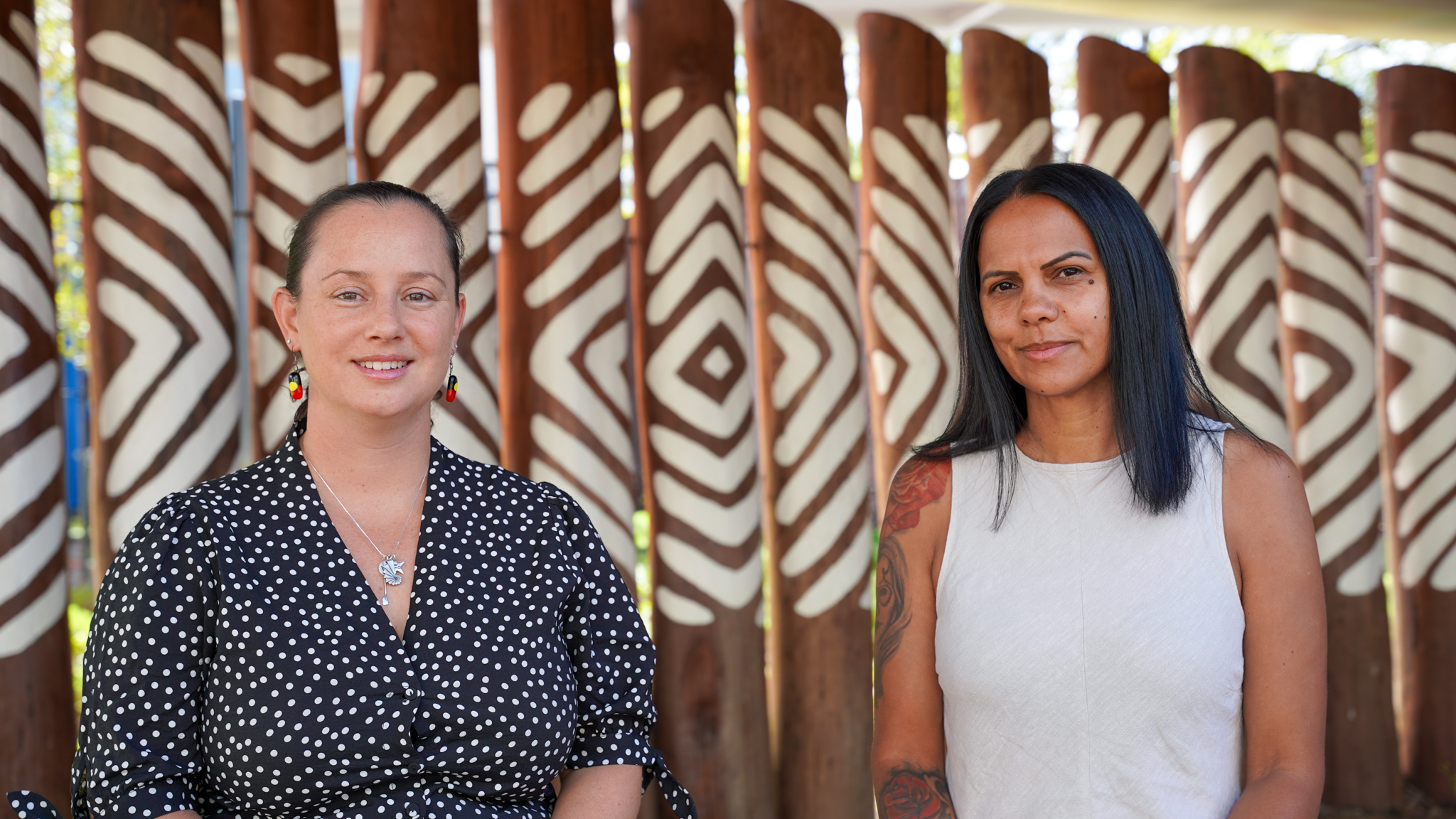
A first of its kind research program at The Kids Research Institute Australia aims to develop new strategies to better treat Aboriginal and Torres Strait Islander children with cancer.
Invasive fungal disease (IFD) remains a challenging complication of treatment for paediatric acute leukaemia. Consensus fungal treatment guidelines recommend withholding chemotherapy to facilitate immune recovery in this setting, yet prolonged delays in leukaemia therapy increase risk of relapse.
Invasive fungal disease (IFD) is a common and important complication in children with acute myeloid leukaemia (AML). We describe the epidemiology of IFD in a large multicentre cohort of children with AML.
Rennae's son Samuel was diagnosed with stage 4 neuroblastoma 13 years ago, and was originally given a 20% chance of survival. She bravely shares their story.
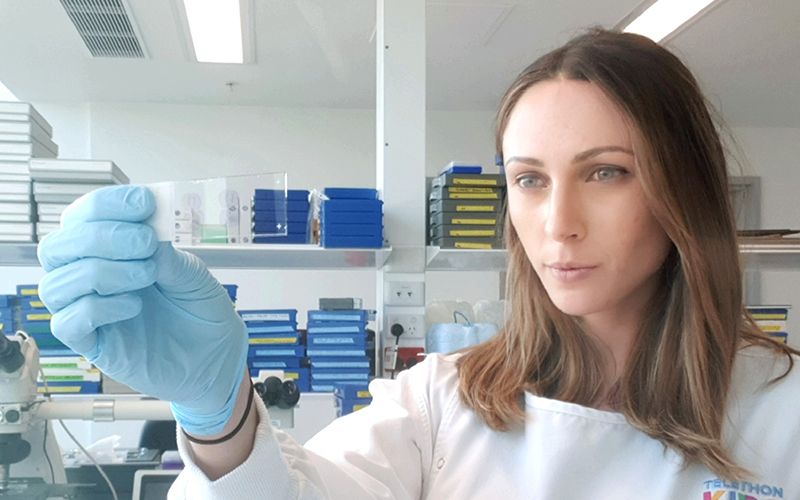
A The Kids Research Institute Australia researcher aiming to reduce the high rate of relapse in children after cancer surgery has won a prestigious post-doctoral fellowship from the Forrest Foundation.
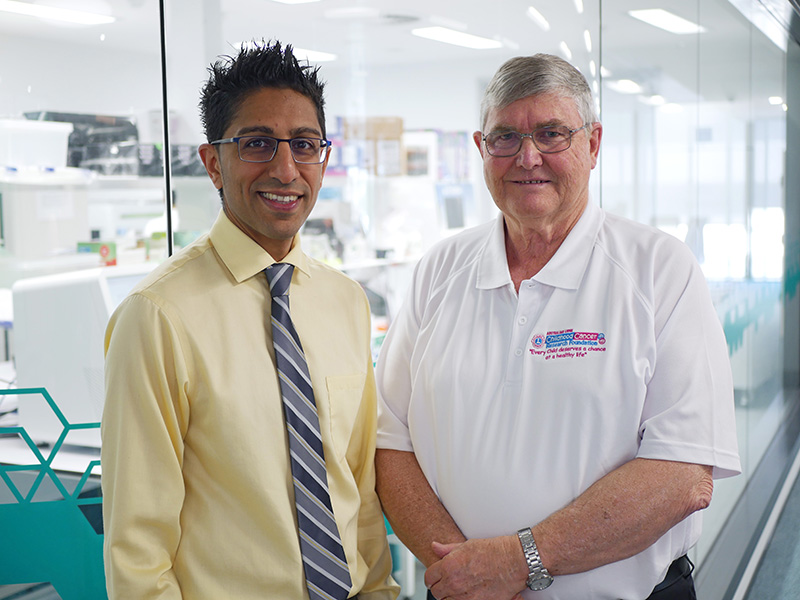
Australian Lions Childhood Cancer Research Foundation has announced it will provide $1.05 million of funding to The Kids Research Institute Australia.
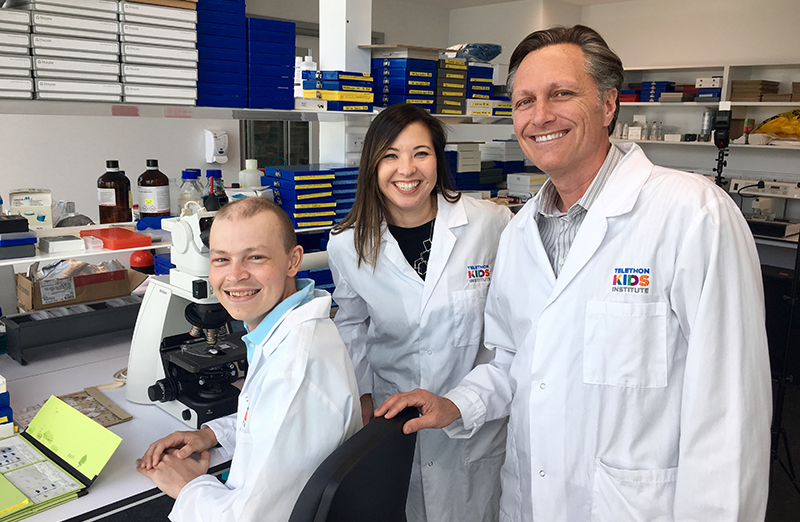
The Kids Research Institute Australia and Perth Children’s Hospital will lead an international clinical trial of a novel drug combination they hope will increase cure rates for one of the most aggressive forms of childhood brain cancer.
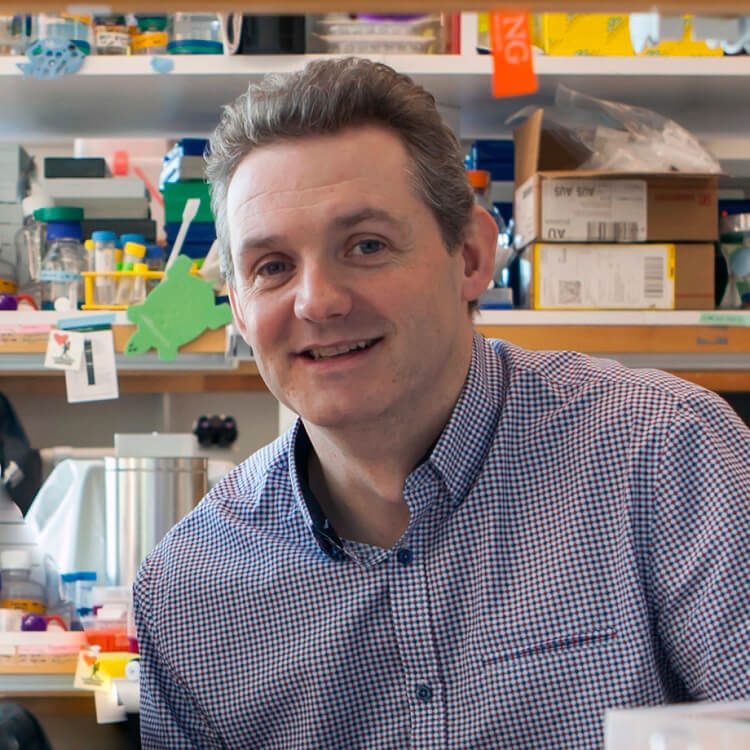
The Kids cancer researcher & clinician Dr Nick Gottardo has been announced as the recipient of an Innovation Grant from the Cure Brain Cancer Foundation.