
Search
Showing results for "early life"
Pediatric perioperative care can be described as a journey, starting when surgery is first contemplated, all the way through to a patient’s full recovery. For the child and their family, this journey spans from the time at home pre-operatively through a hospital stay and finishes with at-home recovery.
Obesity is linked to altered lung function and increased perioperative respiratory adverse events (PRAEs). We examined the effects of obesity, respiratory symptoms, and posture on PRAEs, lung mechanics, and ventilation distribution in children undergoing general anesthesia.
There is a paucity of data on the chosen anesthesia management for infant inguinal hernia surgery. We aimed to characterize self-reported anesthetic practice in Australia and New Zealand. We also aimed to identify the outcomes that matter to both anesthetists and to parents and carers.
Asthma is more common in childhood than in adulthood and is more correctly thought of as a syndrome than as a discrete condition.

We are excited to launch this first-of-its-kind Australian study, monitoring glucose levels in Australian children and adolescents who have tested positive to having one or more type 1 diabetes related antibodies but do not yet need treatment with insulin.
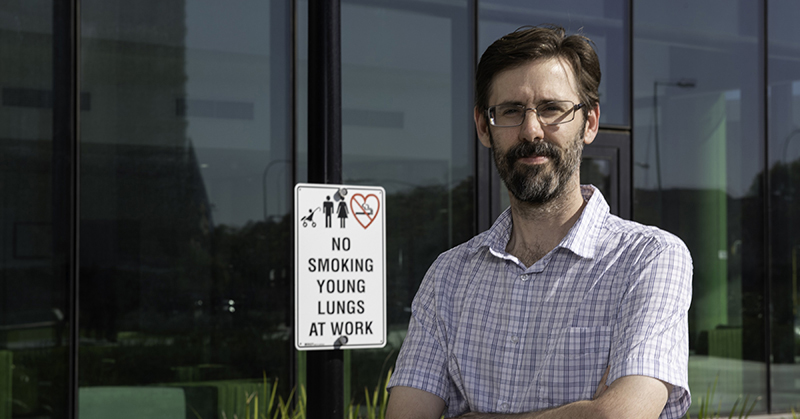
The lungs represent a key interface between the body and the environment.
Billionaire Stan Perron has made donations to The Kids as part of the Stan Perron Charitable trust totaling $500,000 a year. Read more about his generosity
The Opportunity We are seeking an individual who has experience in setting up and monitoring multi-centre clinical trials for pharmaceutical
To summarize recent evidence in pediatric total intravenous anesthesia (TIVA), highlighting advances in pharmacokinetics-pharmacodynamics, target-controlled infusion (TCI), electroencephalography (EEG)-guided titration, emerging agents, safety, and sustainability, and to provide clinicians with an updated, practical framework for pediatric TIVA practice.
Leadership in paediatric anaesthesia is undergoing rapid transformation as clinical complexity, workforce expectations, and organizational structures evolve. This review synthesizes recent developments and highlights the competencies required for effective leadership in this high-stakes specialty.