
Search
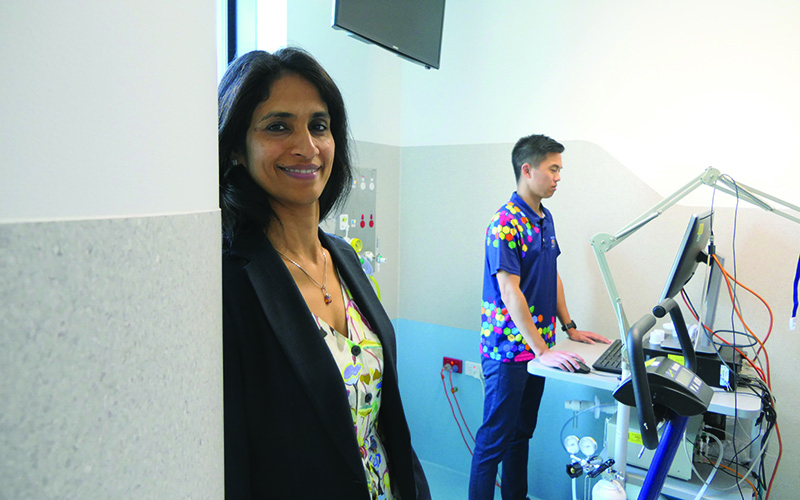
A ground-breaking new app developed by The Kids researchers may soon make exercising safer for young people with type 1 diabetes.
In early 2021, The Kids Research Institute Australia researcher Dr Amy Finlay-Jones led a global team in trying to answer that question to help better prioritise mental health spending.
Middle ear infections are one of the main reasons that children visit a GP, are prescribed antibiotics and need surgery. Aboriginal children are particularly susceptible and commonly suffer from hearing loss which can affect speech and learning.
Streptococcus A is a bacterium often found in the throat and on the skin.
Language is one of the most remarkable developmental accomplishments of early childhood. Language connects us with others and is an essential tool for literacy, education, employment and lifelong learning.
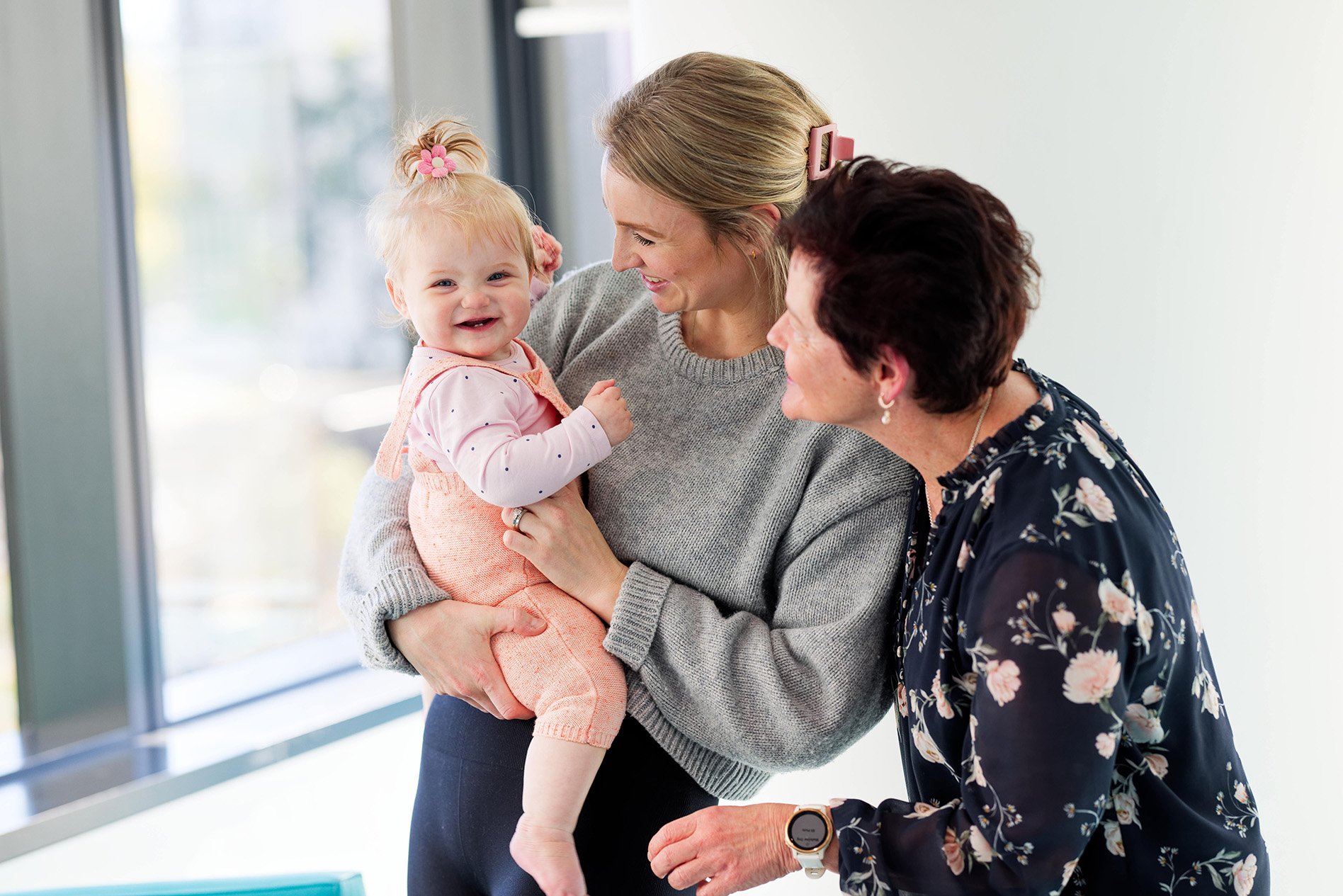
RSV hospitalises millions of babies worldwide every year: our research is helping to change that.
Asha Jacinta Bernadette Bowen Walton Ricciardo BA MBBS DCH FRACP PhD GAICD FAHMS OAM MBBS (hon) DCH FACD Head, Healthy Skin and ARF Prevention
Respiratory syncytial virus (RSV) is a significant cause of respiratory infections in young children. Since 2021, RSV has been a notifiable disease in Australia. However, current surveillance systems focus on hospitalised RSV, with limited surveillance at a community level through primary care clinics. This approach only captures RSV requiring hospitalisation. Less severe illnesses, while not captured, may have significant social and economic impacts including the associated cost of care and absenteeism. The aim of this study is to establish an understanding of the broader burden of RSV in young children in a community setting.
Enteroviruses (EVs) have long been implicated in the development of islet autoimmunity (IA) and type 1 diabetes. However, given the ubiquity of EV infections in children, disease susceptibility is likely driven by host-specific immune responses rather than viral exposure alone.
Physical activity can support physical and mental health among children living with chronic health conditions; however, programmes must be tailored to their specific needs to support participation.