
Search
Respiratory disease is a leading cause of morbidity, mortality, and poor quality of life in children with cerebral palsy (CP). This study describes the prevalence of CP-related respiratory disease and the non-modifiable risk factors for respiratory-related hospital admissions in the Aotearoa New Zealand population.
Rett syndrome is a genetically caused neurodevelopmental disorder associated with severe impairments and complex comorbidities. This study examined predictors of anxiety and depression in Rett syndrome, including genotype.
To describe trends, age-specific patterns, and factors influencing hospitalizations for 5 rare craniofacial anomalies.
This article aims to critically review the literature on continuous electroencephalography (cEEG) monitoring in the intensive care unit (ICU) from an Australian and New Zealand perspective and provide recommendations for clinicians. Design and review methods: A taskforce of adult and paediatric neurologists, selected by the Epilepsy Society of Australia, reviewed the literature on cEEG for seizure detection in critically ill neonates, children, and adults in the ICU.
Cerebral palsy (CP) is the most common physical disability of childhood worldwide. Historically the diagnosis was made between 12 and 24 months, meaning data about effective early interventions to improve motor outcomes are scant. In high-income countries, two in three children will walk. This evaluator-blinded randomised controlled trial will investigate the efficacy of an early and sustained Goals-Activity-Motor Enrichment approach to improve motor and cognitive skills in infants with suspected or confirmed CP.
Wearable motion sensors, specifically, Inertial Measurement Units, are useful tools for the assessment of orientation and movement during sleep. The DOTs platform (Xsens, Enschede, The Netherlands) has shown promise for this purpose. This pilot study aimed to assess its feasibility and validity for recording sleep biomechanics.
The implementation of an intervention protocol aimed at increasing vocal complexity in three pre-linguistic children with cerebral palsy (two males, starting age 15 months, and one female, starting age 16 months) was evaluated utilising a repeated ABA case series design. The study progressed until the children were 36 months of age. Weekly probes with trained and untrained items were administered across each of three intervention blocks.
With advances in perinatal care, we have achieved major reductions in mortality in premature and critically ill infants, but they still remain at increased risk of neurodevelopmental disability. In this context, recent advances in neuroimaging are perceived as an addition of significant value to current clinical developmental screening programs.
Siblings of children with intellectual disability have unique family experiences, varying by type of disability.
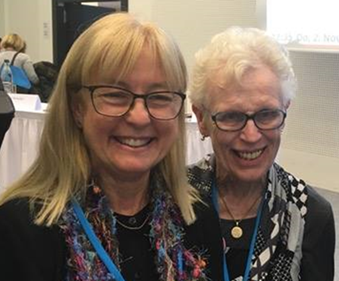
Two The Kids Research Institute Australia researchers recognised for their role in building a global database for CDKL5 deficiency disorder are now helping to set the scene for clinical trials of much-needed potential treatments.