
Search
The impact of mitral regurgitation from pediatric rheumatic heart disease and its effect on left ventricular remodeling and function following surgical intervention is uncertain. The objective is to explore the impact of mitral valve surgeries on myocardial mechanics, remodeling and function and identify pre-operative predictors of post-operative dysfunction which may contribute to the optimal timing of intervention.
Rheumatic heart disease (RHD) is a long-term sequela of acute rheumatic fever (ARF), which classically begins after an untreated or undertreated infection caused by Streptococcus pyogenes (Strep A). RHD develops after the heart valves are permanently damaged due to ARF.

After being diagnosed with rheumatic heart disease at ten, Elizabeth had to leave country and her family for a large chunk of her childhood so she could be treated in Adelaide.

When Liana complained of a sore foot and showed signs of a fever, her mum Margie rushed her to hospital. An X-ray of her foot revealed no obvious injury, so she was sent home and advised to take painkillers.
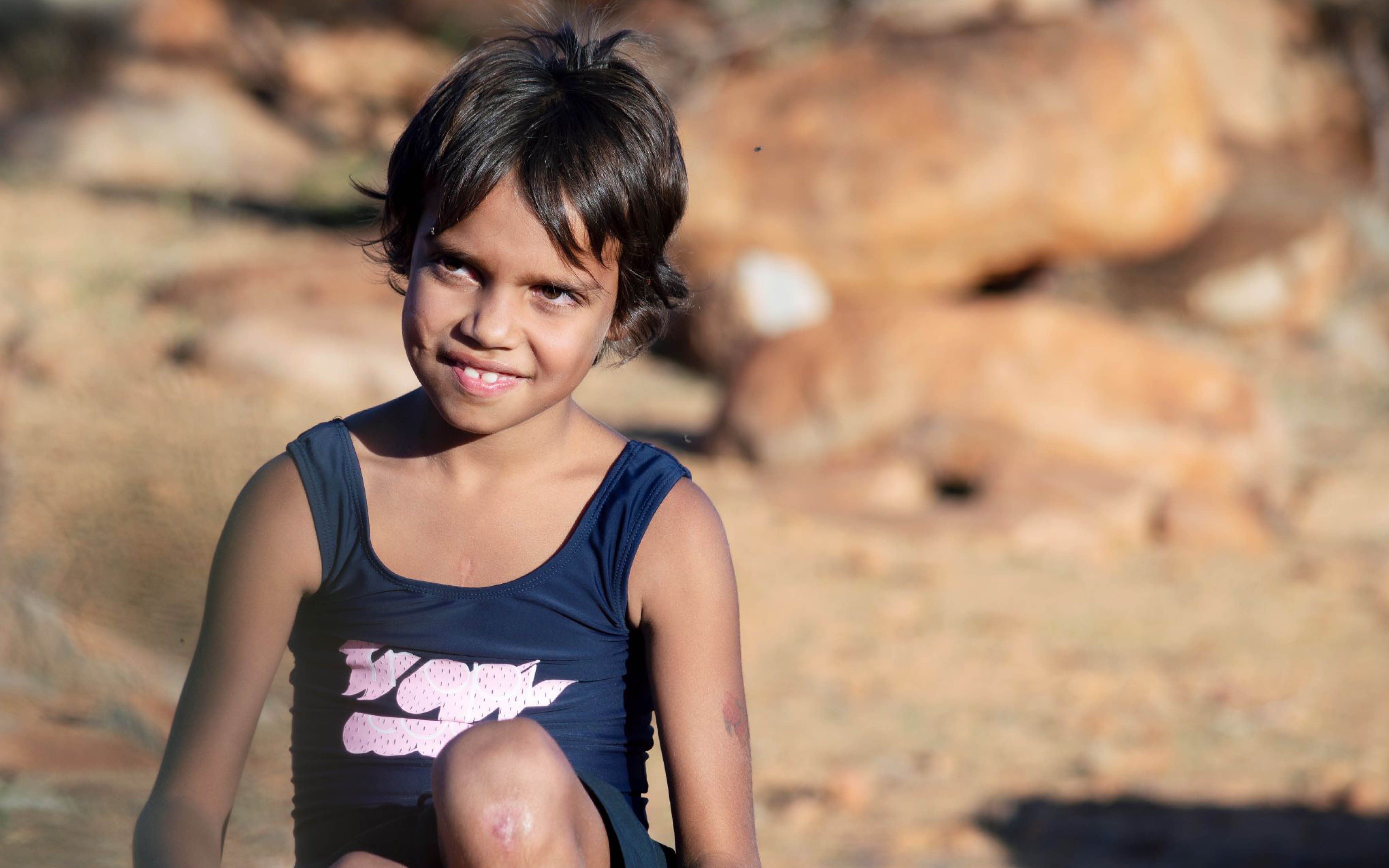
The Strep A Translation team aim to understand the epidemiology of Strep A infections in Australia and the world. Alongside this, they explore the implementation of endgame recommendations, health economics and new horizons.
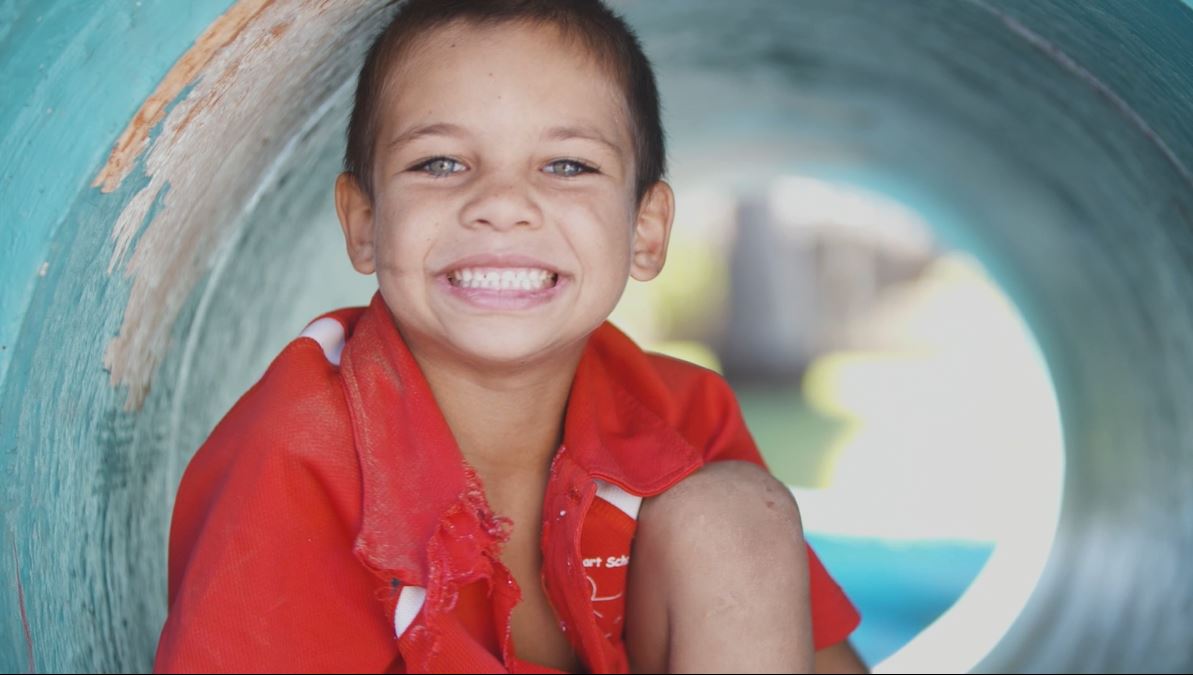
Researchers from The Kids Research Institute Australia are joining forces with international experts in acute rheumatic fever (ARF) and rheumatic heart disease (RHD) to transform the diagnosis of these diseases thanks to an $US8 million grant from the Leducq Foundation.
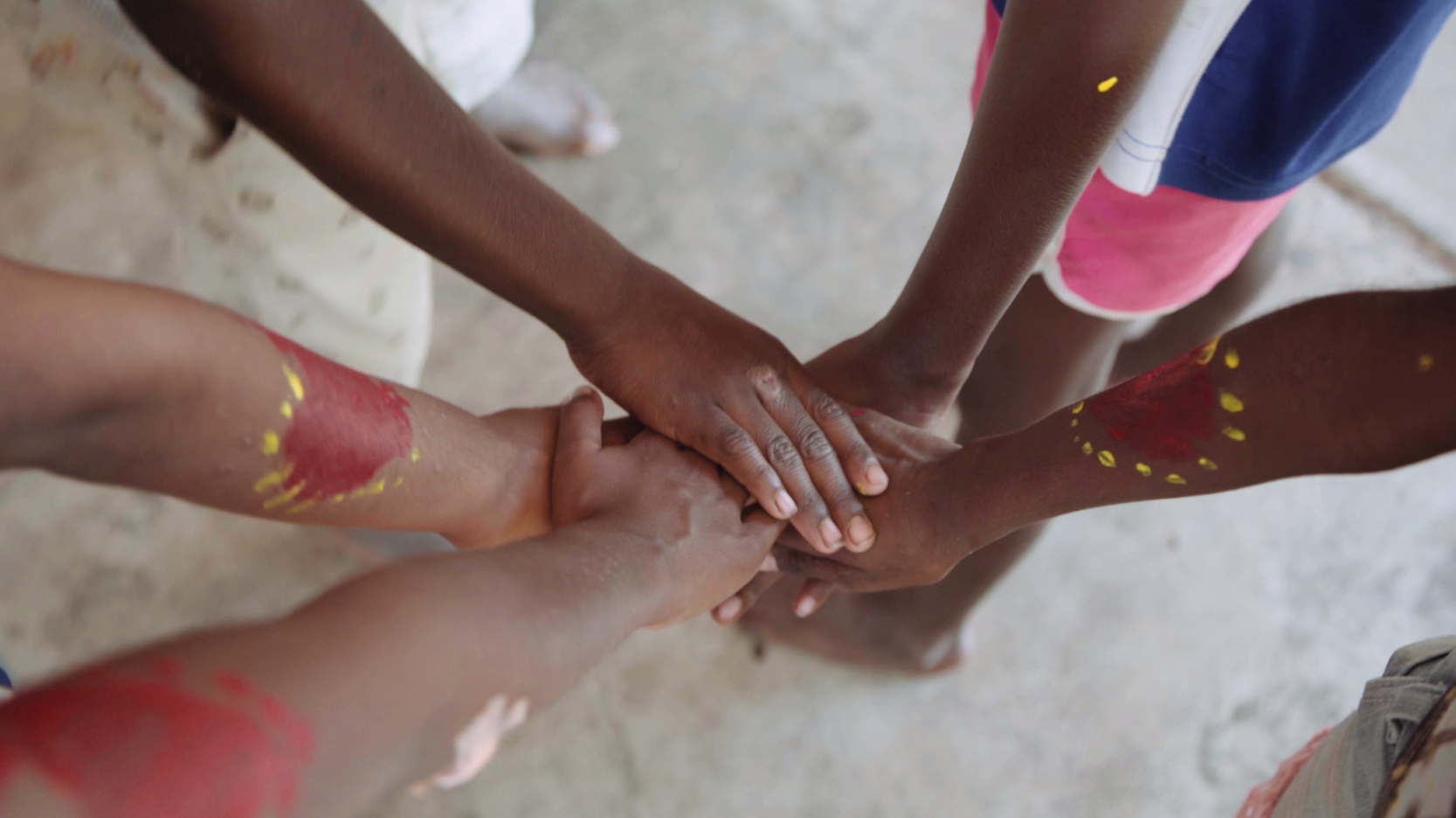
Young Aboriginal and Torres Strait Islander people receiving long-term, painful injections to prevent deadly complications from rheumatic heart disease (RHD) will design their own optimum treatment program thanks to latest research at The Kids Research Institute Australia.
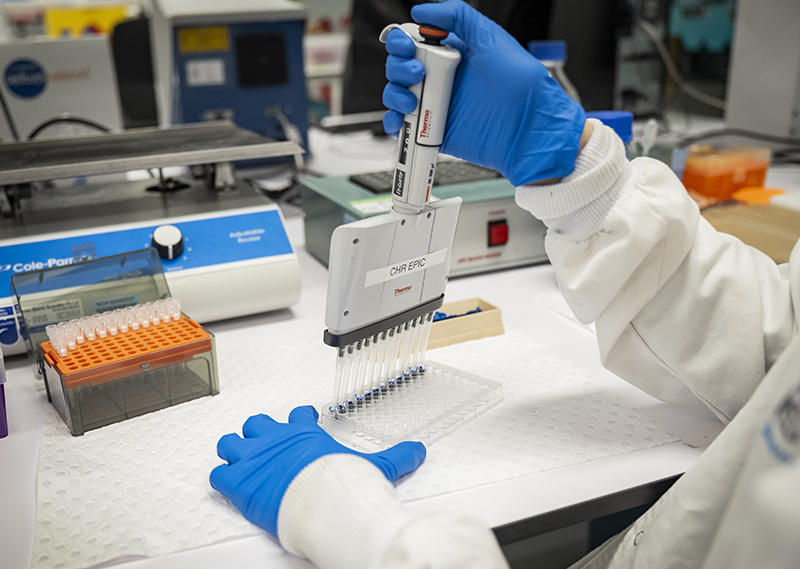
Researchers from The Kids Research Institute Australia have been awarded more than $11 million to support vital child health projects, under the Federal Government’s Medical Research Future Fund.
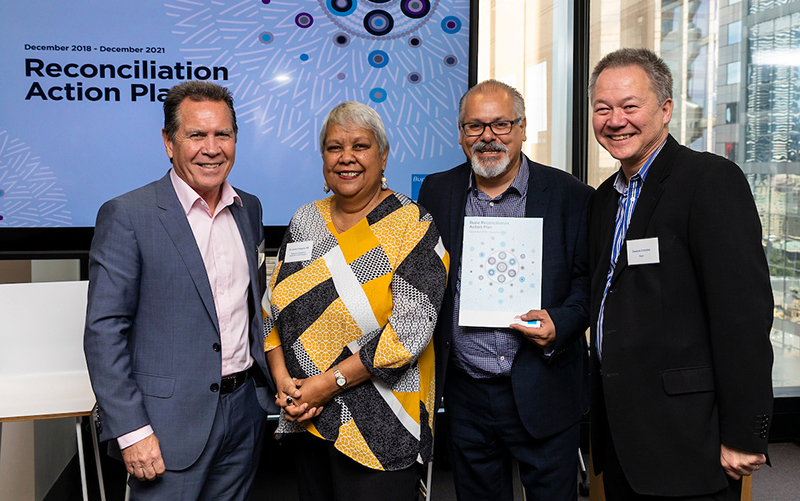
Researchers will extend a unique community-led project to end rheumatic heart disease in Aboriginal communities, thanks to nearly half a million dollars in funding from Bupa.
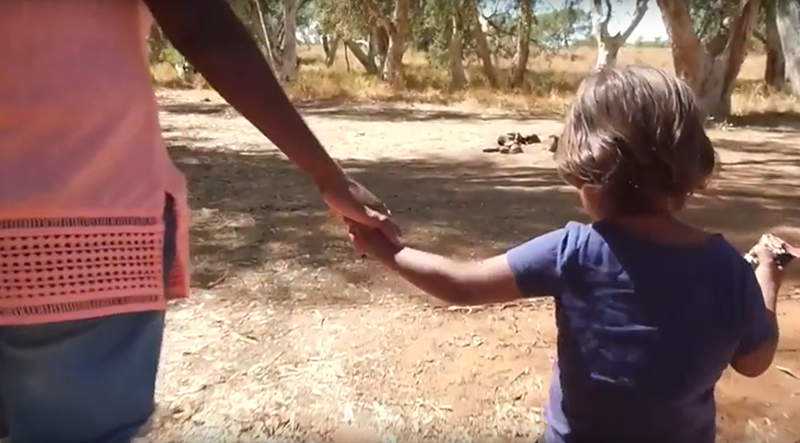
A new report predicts rheumatic heart disease (RHD) will lead to over 500 preventable deaths and cost the Australian health system $317 million by 2031 if no further action to tackle the disease is taken.