
Search
Showing results for "early life"
Apgar score, birth weight, sex, socioeconomic status, and maternal ethnicity, in addition to gestational age, have pronounced impacts on disability-free survival.
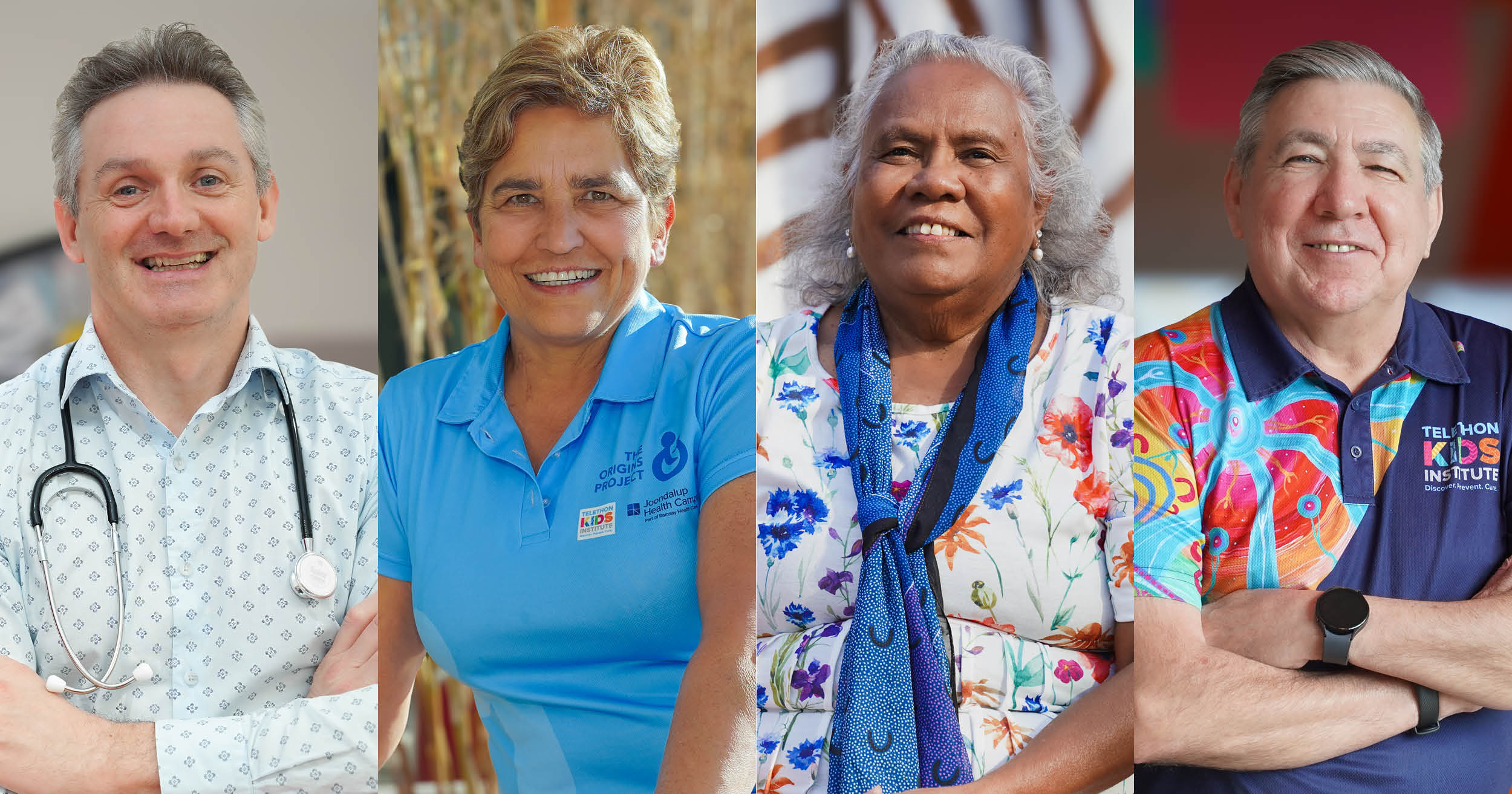
Four outstanding members of The Kids Research Institute Australia family have been named as finalists in the 2024 Western Australian of the Year Awards.
Medulloblastoma, the most common pediatric malignant brain tumor, consists of at least four distinct molecular subgroups.
Despite low ERBB4 mRNA in glioblastoma, the functional effects of increased ERBB4 activation identify ERBB4 as a potential prognostic and therapeutic target
The functional effects of increased ERBB4 activation identify ERBB4 as a potential prognostic and therapeutic target
Diffuse midline gliomas (DMG), including diffuse intrinsic pontine gliomas (DIPG), are the most lethal of childhood cancers. Palliative radiotherapy is the only established treatment, with median patient survival of 9 to 11 months. ONC201 is a DRD2 antagonist and ClpP agonist that has shown preclinical and emerging clinical efficacy in DMG.
This review made the important observation that registries with biobanks had the function of both stand-alone registries and stand-alone rare disease biobanks

We are pleased to announce latest recipients of the Stan and Jean Perron Awards, that recognise the work of exceptional postgraduate students who are undertaking their research projects at The Kids Research Institute Australia.
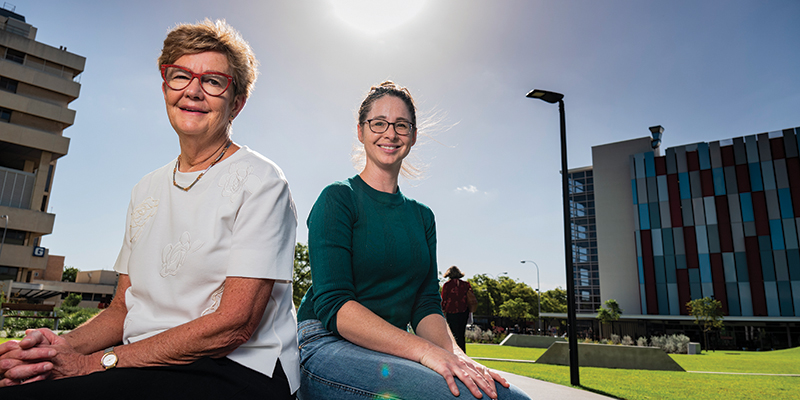
For decades Aussies have been told to minimise sun exposure to prevent skin cancer - now researchers at Telethon Kids are challenging that message.

Two highly respected The Kids Research Institute Australia researchers have been named as finalists in the 2018 Premier’s Science Awards.