
Search
People living with rare diseases had a high risk of negative health outcomes due to COVID-19. Pandemic preparedness will ensure best practice procedures and optimal outcomes during future pandemic events. This paper sought to understand the needs of children with rare diseases during the COVID-19 pandemic to inform preparation for future pandemic and disaster events. First, impacts and outcomes from the COVID-19 pandemic on people living with rare disease were identified in the literature.
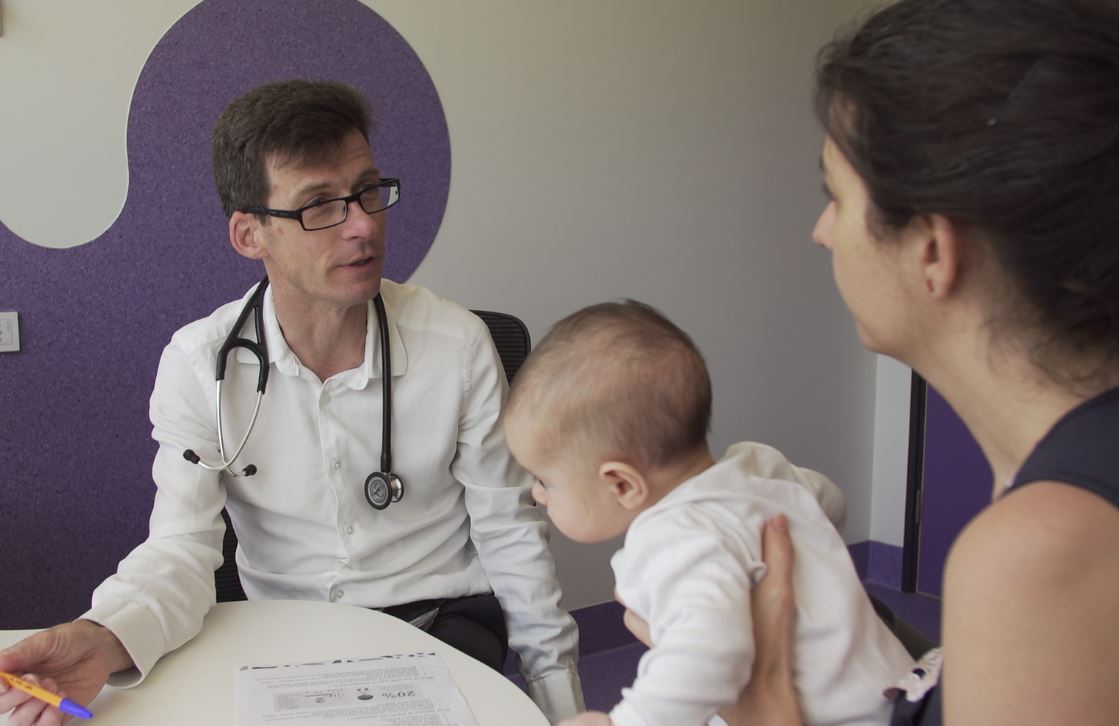
As the world waits for a COVID-19 vaccine Perth researchers are getting one step ahead – embarking on a new study designed to prepare parents and government for a potential Australia-wide vaccination program.

MEDIA ENQUIRIES Discover. Prevent. Cure. Mailing list Media contacts About The Kids Be Inspired Please direct general enquiries to our reception on (
Children with chronic medical diseases are at an unacceptable risk of hospitalisation and death from influenza and SARS-CoV-2 infections. Over the past two decades, behavioural scientists have learnt how to design non-coercive 'nudge' interventions to encourage positive health behaviours. Our study aims to evaluate the impact of multicomponent nudge interventions on the uptake of COVID-19 and influenza vaccines in medically at-risk children.
The Platform trial In COVID-19 priming and BOOsting (PICOBOO) is a multi-site, adaptive platform trial designed to generate evidence of the immunogenicity, reactogenicity, and cross-protection of different booster vaccination strategies against severe acute respiratory syndrome coronavirus 2 and its variants, specific for the Australian context.
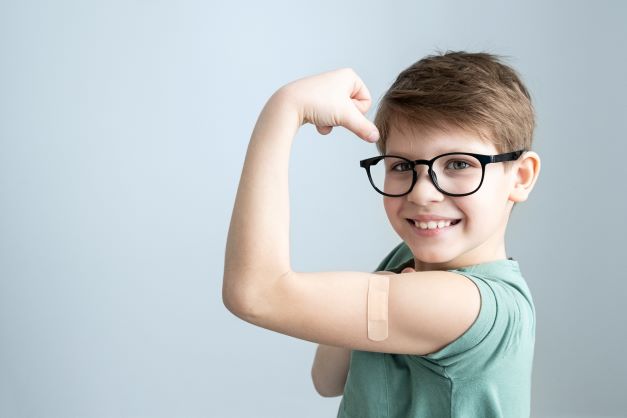
A first-of-its-kind national study looking at the optimal COVID-19 vaccination strategies for children and adolescents is set to begin at Perth’s The Kids Research Institute Australia thanks to a $3.8 million funding injection from the Australian Government’s Medical Research Future Fund (MRFF).
This study presents an optimised cultured ELISpot protocol for detecting central memory T-cell interferon gamma (IFNγ) responses against SARS-CoV-2 peptides following an initial priming with either peptides, or whole spike protein.

Top infectious disease experts in Australia will lead a clinical trial to determine whether combining different Covid-19 vaccines in the nation’s booster immunisation will increase effectiveness.
PICOBOO is a randomised, adaptive trial evaluating the immunogenicity, reactogenicity, and safety of COVID-19 booster strategies. We report data for second boosters among individuals 50-<70 years old primed with AZD1222 (50-<70y-AZD1222) until Day 84.
Coronavirus-2019 (COVID-19) vaccination in Australia commenced in February 2021. The first vaccines recommended for use were AZD1222 and BNT162b2, both delivered as a two-dose primary schedule. In the absence of sustained immunity following immunisation, recommendations for booster vaccination have followed. It is likely that periodic boosting will be necessary for at least some Australians, but it is unknown what the optimal booster vaccines and schedules are or for whom vaccination should be recommended.