
Search
This study examined how mental health clinicians conceptualise, assess, and treat dissociation in children and adolescents, and examined their confidence in working with these presentations to inform clinical practice.
To describe the birth prevalence and characterise the genotype, phenotype and management of children with congenital hyperinsulinism (CHI) in Western Australia (WA).
The aim is to examine whether using a portable spring-infusor device to deliver antibiotics compared with a standard infusion pump (SIP) translated to (i) improve health outcomes, (ii) reduce the length of stay (LoS), and (iii) reduce cost for treatment of exacerbations of cystic fibrosis.
Child anthropometric deficits remain a major public health problem in Sub-Saharan Africa (SSA) and are a key target of the UN Sustainable Development Goals (SDGs). The SDGs recommend disaggregation of health indicators by ethnic group. However, few studies have assessed how ethnicity is associated with anthropometric deficits across SSA.
Parents of children and adolescents with chronic conditions have an increased risk of stress-related mental health problems, and reduced quality of life. Third wave Cognitive Behavioral Therapy interventions have been shown to reduce stress in this parent population. Studies demonstrate that this efficacy endures when these therapies are delivered online.
The prevalence estimates of physical activity, sedentary behavior, and sleep (collectively known as movement behaviors) in 3- and 4-year-old children worldwide remains uncertain.
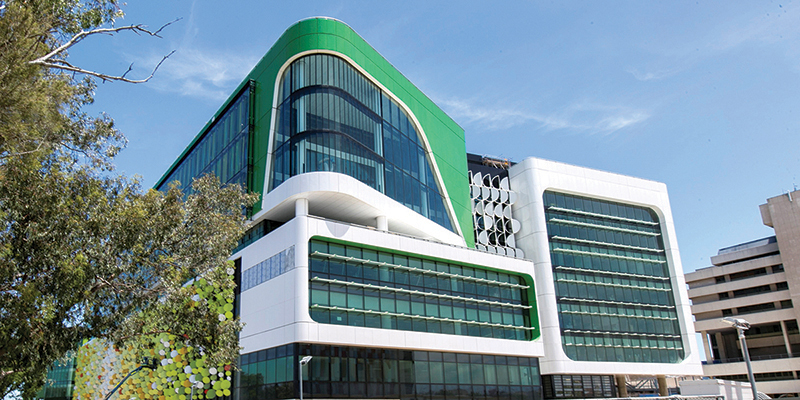
The Kids Research Institute Australia is one of 20 West Australian research facilities to share in $25 million funding under the State Government’s Research Infrastructure Support (RIS) program, through the Future Health Research and Innovation (FHRI) Fund.

An Australian study has revealed the clear link between eating breakfast and academic success, with students who skip breakfast some or all of the time achieving poorer NAPLAN results than children who always eat breakfast.

Six researchers from The Kids Research Institute Australia have been awarded $8.9 million in prestigious Investigator Grants from the National Health and Medical Research Council.
Projects to improve outcomes for leukaemia patients and reduce skin cancer rates in young Aboriginal people have received funding through Cancer Council WA.