
Search
Antimicrobials are the most commonly prescribed drug class in children. Overuse through inappropriate prescribing is a key driver of antimicrobial resistance and is recognized as one of the top 10 threats to global health by the World Health Organization.
SARS-CoV-2 infection is associated with a significant risk of hospitalisation, death, and prolonged impact on quality of life. Evaluation of new treatment options and optimising therapeutic management of people hospitalised with SARS-CoV-2 infection remains essential, but rapid changes in pandemic conditions and potential therapies have limited the utility of traditional approaches to randomised controlled trials.
The impact of mitral regurgitation from pediatric rheumatic heart disease and its effect on left ventricular remodeling and function following surgical intervention is uncertain. The objective is to explore the impact of mitral valve surgeries on myocardial mechanics, remodeling and function and identify pre-operative predictors of post-operative dysfunction which may contribute to the optimal timing of intervention.
Impetigo or skin sores are estimated to affect >162 million people worldwide. Detailed descriptions of the anatomical location of skin sores are lacking.
Invasive group A streptococcal (Strep A) infections occur when Streptococcus pyogenes, also known as beta-hemolytic group A Streptococcus, invades a normally sterile site in the body. This article provides guidelines for establishing surveillance for invasive Strep A infections. The primary objective of invasive Strep A surveillance is to monitor trends in rates of infection and determine the demographic and clinical characteristics of patients with laboratory-confirmed invasive Strep A infection, the age- and sex-specific incidence in the population of a defined geographic area, trends in risk factors, and the mortality rates and rates of nonfatal sequelae caused by invasive Strep A infections.
Rheumatic heart disease (RHD) is a long-term sequela of acute rheumatic fever (ARF), which classically begins after an untreated or undertreated infection caused by Streptococcus pyogenes (Strep A). RHD develops after the heart valves are permanently damaged due to ARF.

Our aim is for all kids to have healthy skin. We work with communities to reduce the burden of Strep A skin sores and sore throats to prevent rheumatic fever.

Working alongside the Healthy Skin & ARF Prevention team, clinicians and other researchers; Elder researchers and community members have driven the co-design of healthy skin promotion resources localised to their community.

Designed by community for community, the Strong Skin App is a go-to resource to support your skin health.
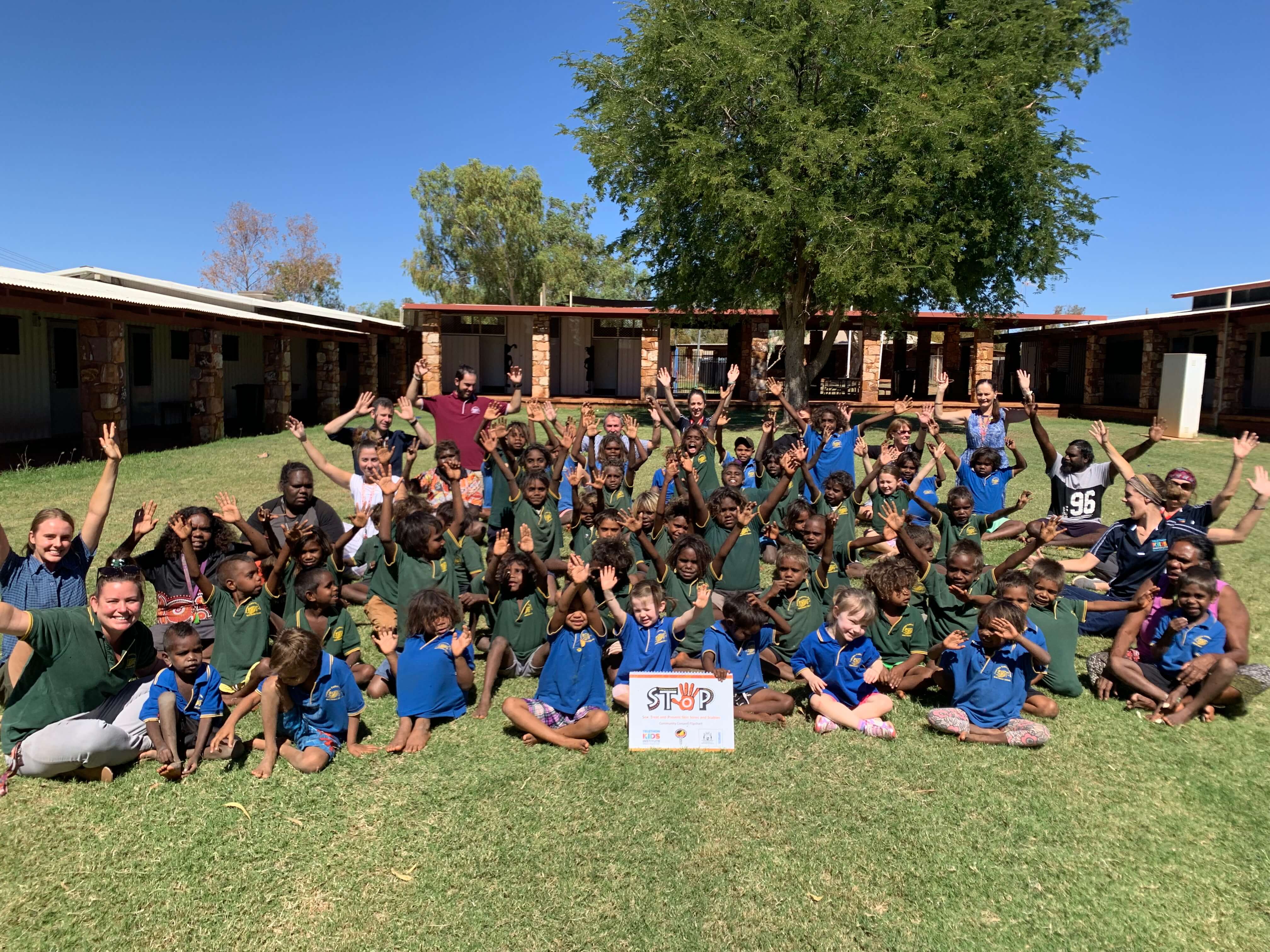
Aboriginal community members throughout the Kimberley will take a lead role in driving healthy skin messages within their own communities thanks to a major funding boost to The Kids Research Institute Australia’s SToP Trial.