
Search
Showing results for "early life"
Adenotonsillectomy is one of the most common surgical interventions in children, and while generally safe, it is associated with a risk of significant adverse events. In this issue, Kim et al report a prospective randomized controlled study comparing preoperative use of a tulobuterol (longacting beta agonist) dermal patch with placebo on the incidence of perioperative respiratory adverse events (PRAEs) in children undergoing adenotonsillectomy.
Obstructive sleep apnoea (OSA) and perioperative respiratory adverse events are significant risks for anaesthesia in children undergoing adenotonsillectomy. Upper airway collapse is a crucial feature of OSA that contributes to respiratory adverse events. A measure of upper airway collapsibility to identify undiagnosed OSA can help guide perioperative management. We investigated the utility of pharyngeal closing pressure for predicting OSA and respiratory adverse events.
This study aimed to address the acceptance of mHealth applications for a dental screening app that facilitates patient information entry and captures dental photos remotely to assist in caries diagnosis in preschool children in Australia.
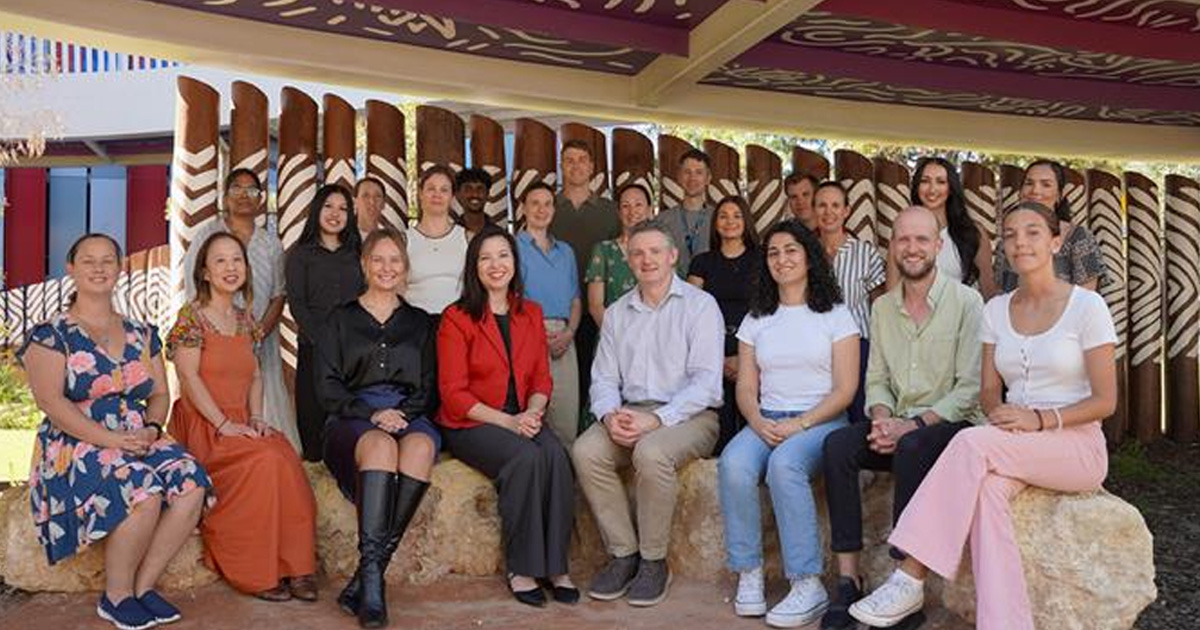
The Kids Research Institute Australia's Brain Tumour Research team will develop and implement cutting-edge technologies to revolutionise the speed of brain cancer diagnosis for WA children, thanks to more than $200,000 from Telethon.

A The Kids Research Institute Australia study has found the average six-month-old Australian baby has more than one hour of screen time each day.
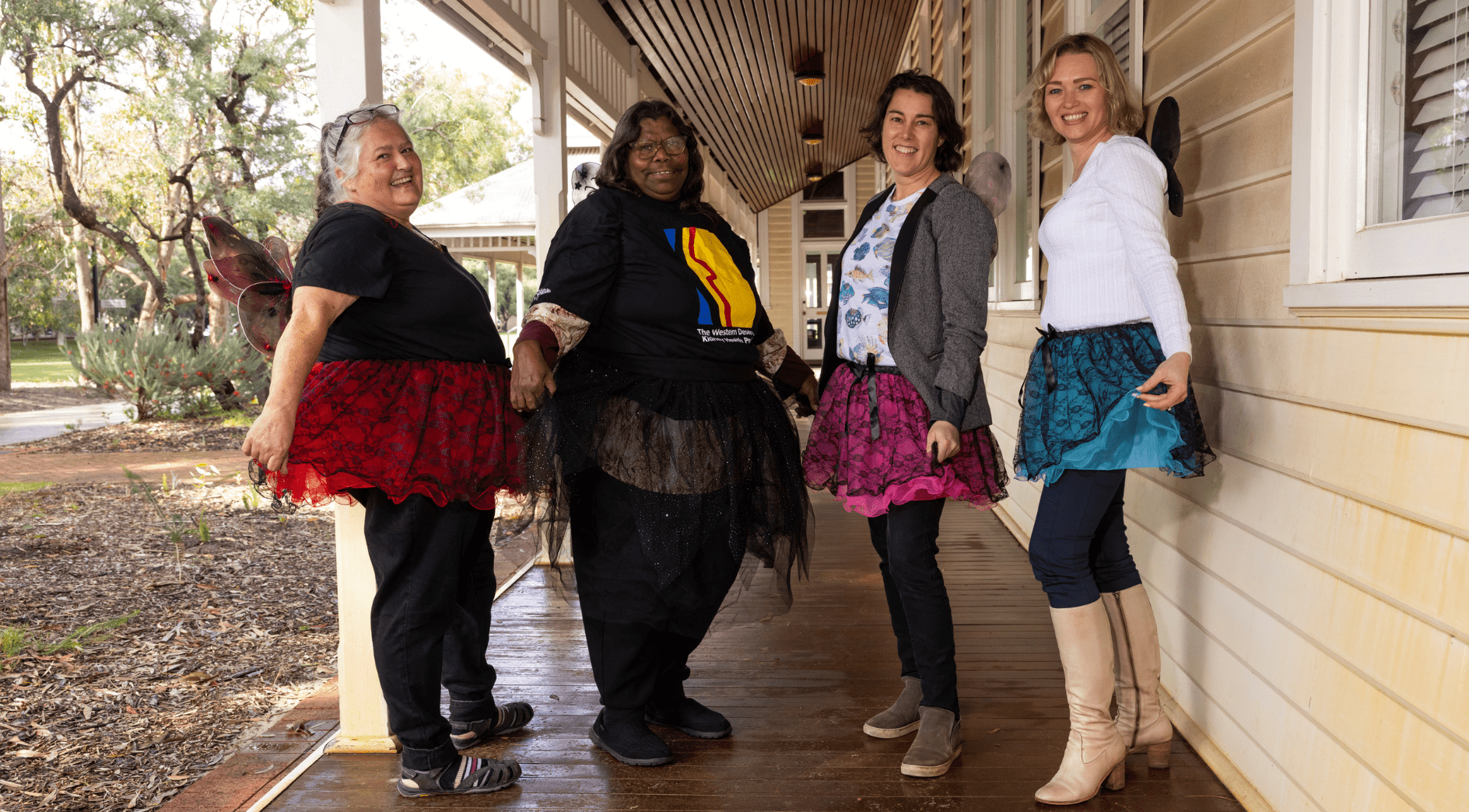
This Australian-first study will simultaneously identify childhood exposure to heavy metals in regional and remote communities and provide these communities with training in drinking water quality, STEM and dental hygiene.
The Paediatric Difficult Intubation Collaborative identified multiple attempts and persistence with direct laryngoscopy as risk factors for complications in children with difficult tracheal intubations and subsequently engaged in initiatives to reduce repeated attempts and persistence with direct laryngoscopy in children. We hypothesised these efforts would lead to fewer attempts, fewer direct laryngoscopy attempts and decrease complications.
Hypoxaemia occurs in approximately 30% of children during anaesthesia for flexible bronchoscopy. High-flow nasal oxygen (HFNO) can prolong safe apnoea time and be used in children with abnormal airways. During flexible bronchoscopy, there is limited evidence if HFNO confers advantages over current standard practice in avoiding hypoxaemia. The aim is to investigate feasibility of HFNO use during anaesthesia for flexible bronchoscopy to reduce frequency of rescue oxygenation and hypoxaemia.
Management of the pediatric difficult airway can present unique clinical challenges. The Pediatric Difficult Intubation Collaborative (PeDI-C) is an international collaborative group engaging in quality improvement and research in children with difficult airways. The PeDI-C established a WhatsApp™ group to facilitate real-time discussions around the management of the difficult airway in pediatric patients.
Western Australia has experienced historically low levels of respiratory syncytial virus (RSV) and influenza this winter due to the public health measures implemented to prevent the spread of COVID-19.